How to Maintain Construction Equipment on Site: A Practical Checklist
Every tool covered so far in this series — the laser level, plate compactor, concrete vibrator, concrete mixer, and block moulding machine — shares one thing in common: how well it performs on day 100 depends entirely on how it was looked after on days 1 through 99. Equipment maintenance rarely gets the attention it […]
Renting vs Buying Construction Equipment in Nigeria: What Makes Sense?
Every equipment guide in this series — the laser level, plate compactor, concrete vibrator, concrete mixer, and block moulding machine — has touched on the same underlying question at some point: is it worth buying this, or should you rent it? This final piece in the cluster tackles that question directly. There’s no single right […]
How to Choose the Right Concrete Mixer for a Small Building Site

Choosing a concrete mixer sounds like a minor decision compared to picking a contractor or approving drawings, but the wrong-sized mixer can quietly cost a small building site real money and time — through slow pours, inconsistent mix quality, or a machine sitting idle because it’s too big for the job at hand. This guide […]
How a Concrete Vibrator Improves Concrete Strength and Durability
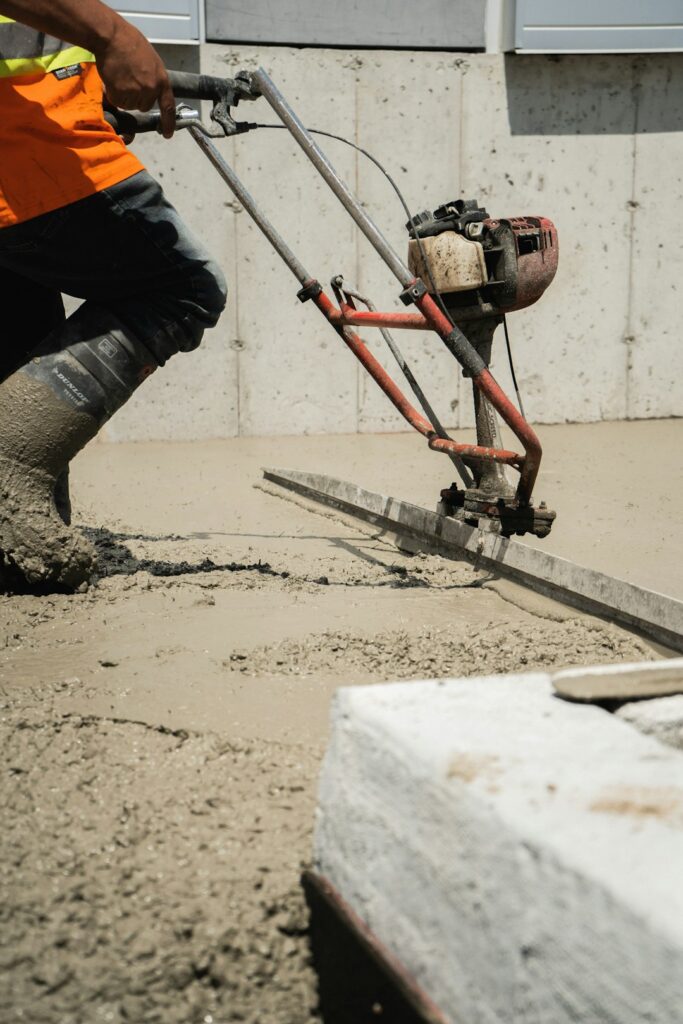
Freshly poured concrete looks solid the moment it hits the formwork, but it’s actually full of trapped air and uneven pockets that, left alone, will set permanently into the structure as weaknesses. A concrete vibrator is the tool that fixes this before it becomes a problem — and the difference between concrete that’s been properly […]
Plate Compactor vs Hand Tamper: Which Soil Compaction Method Wins?
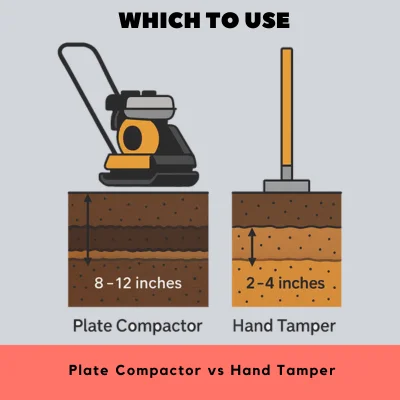
Soil compaction is one of those site tasks that’s invisible once the building is standing — nobody looking at a finished house can tell whether the ground beneath the foundation was properly compacted or not. But get it wrong, and the consequences show up later as settlement cracks, uneven floors, or a foundation that shifts […]
How to Use a Laser Level on a Construction Site (Beginner’s Guide)

A laser level is one of the highest-value tools a Nigerian building site can own — it turns a job that used to need two people, a water level hose, and a lot of shouting across the compound into something one person can do accurately in minutes. If you’re new to using one, this guide […]
What Is a Provisional Sum in a Construction Contract?

A clear explanation of what a provisional sum is in a construction contract, how it differs from PC sums and contingency, and how to prevent it from being misused.
How to Estimate Material Quantities from a Building Plan
A step-by-step guide to estimating construction material quantities — blocks, cement, sand, granite, and reinforcement — directly from a Nigerian building plan.
BOQ vs BEME: What’s the Difference in Construction Costing?

A clear breakdown of the difference between a Bill of Quantities (BOQ) and a Bill of Engineering Measurement and Evaluation (BEME) in Nigerian construction costing.
How Much Does a Quantity Surveyor Charge in Nigeria? (Fee Guide)

A practical breakdown of how much quantity surveyors charge in Nigeria — fee models, typical ranges, and what actually drives the cost of a BOQ or full QS engagement.
Bill of Quantities Template for a Residential Building in Nigeria

A practical, ready-to-adapt Bill of Quantities template for residential buildings in Nigeria, with a worked example for a 3-bedroom bungalow.
How to Prepare a Bill of Quantities (BOQ) in Nigeria: Step-by-Step Guide
A step-by-step guide to preparing a Bill of Quantities (BOQ) for a building project in Nigeria — from measurement to billing, with a sample BOQ and mistakes to avoid.
What Is a Floating Foundation and When Is It Used? Complete Civil Engineering Guide

A floating foundation is a type of foundation designed to distribute structural loads over weak or low-bearing-capacity soil by balancing the weight of the structure with the weight of the excavated soil. In simple terms, the building “floats” on the ground because the soil removed during excavation roughly equals the load imposed by the structure. […]
Micro-pile Design Application and Advantages: Ultimate Guide for Modern Foundation Engineering

Micro-pile foundation systems have become one of the most reliable solutions in modern geotechnical and structural engineering. As urban development expands into areas with poor soil conditions, restricted access, and aging infrastructure, engineers increasingly rely on micro-piles for safe and cost-effective foundation support. Understanding micro-pile design application and advantages is essential for civil engineers, contractors, […]
How to Identify Load-Bearing Walls in a Building
A contractor in Abeokuta once removed an internal block wall between two rooms to create an open-plan living space. Within three days, cracks appeared across the ceiling slab above, and the beam it was quietly supporting began to sag at midspan. No structural engineer had been consulted, and nobody had stopped to identify load-bearing walls […]
Cost to Remove a Load Bearing Wall in the U.S.
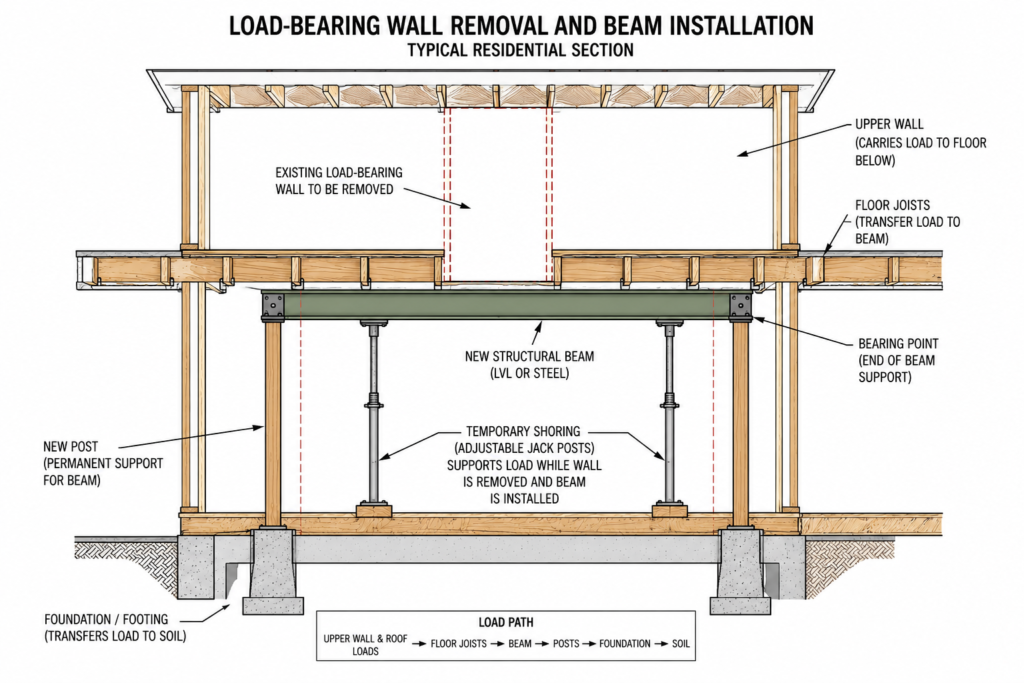
“We want to open up the kitchen and living room, but there is a wall in the middle.” That request sounds straightforward until you discover that the wall carries floor joists, roof loads, an upper-story wall, or a beam reaction. The cost to remove a load bearing wall in the United States depends less on […]
OPC vs PPC Cement in Nigeria: Major Differences You Must Know
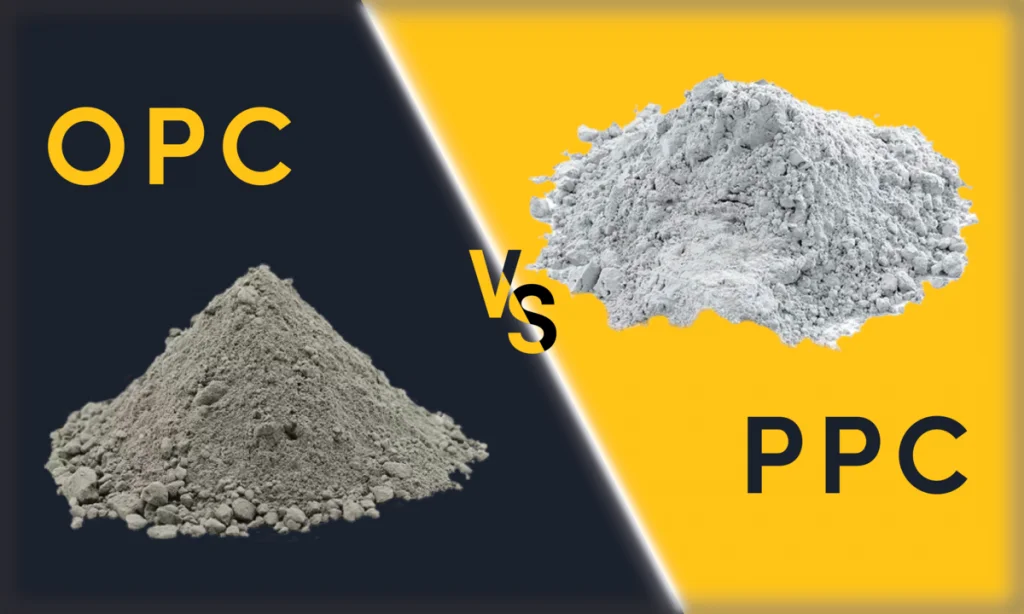
Choosing the right cement is one of the most important decisions in any building project. Whether you are constructing a residential house, commercial property, drainage system, or molding blocks, understanding the difference between OPC and PPC cement in Nigeria can save you money, prevent structural problems, and improve the durability of your building. Many builders, […]
Types of Cement and Their Uses in Construction Explained

Cement is one of the most important building materials used in the construction industry. From residential homes to bridges, dams, skyscrapers, and highways, cement plays a critical role in ensuring structural stability and durability. However, many people do not realize that there are different types of cement designed for specific construction purposes. Understanding the various […]
FUTA Civil Engineering JAMB and Departmental Cut-Off Mark 2026/2027 – Powerful Admission Guide for Success

The Federal University of Technology, Akure (FUTA) remains one of Nigeria’s most competitive universities, especially for engineering courses like Civil Engineering. Every academic year, thousands of candidates apply, but only a limited number secure admission. The FUTA Civil Engineering JAMB and Departmental Cut-Off Mark 2026/2027 guide is essential for students who want to understand what […]
How to Calculate Concrete Volume for Slab, Beam, and Column (Step-by-Step Guide)
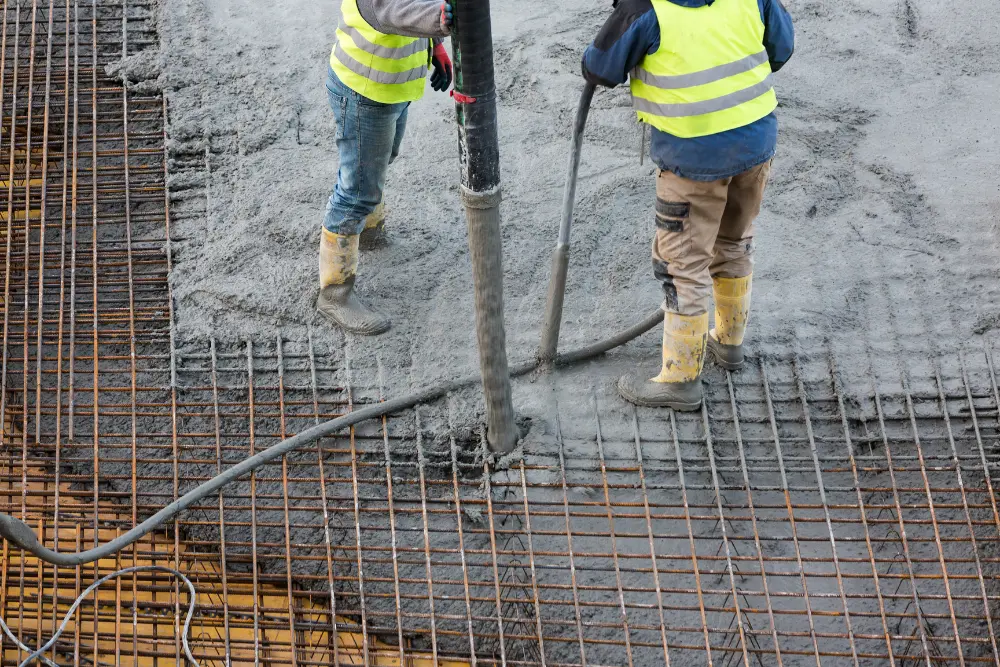
Concrete volume calculation is one of the most important tasks in building construction. Whether you are a civil engineering student, contractor, quantity surveyor, or site engineer, understanding how to calculate concrete volume for slab, beam, and column helps you estimate materials accurately, reduce waste, and control construction costs. In reinforced concrete structures, slabs, beams, and […]