
Every tool covered so far in this series — the laser level, plate compactor, concrete vibrator, concrete mixer, and block moulding machine — shares one thing in common: how well it performs on day 100 depends entirely on how it was looked after on days 1 through 99. Equipment maintenance rarely gets the attention it deserves on a busy site, but it’s one of the cheapest ways to avoid costly downtime, poor-quality work, and early equipment replacement. This guide brings together a practical maintenance checklist covering daily habits, periodic checks, and equipment-specific care for the core tools a small Nigerian construction site relies on.
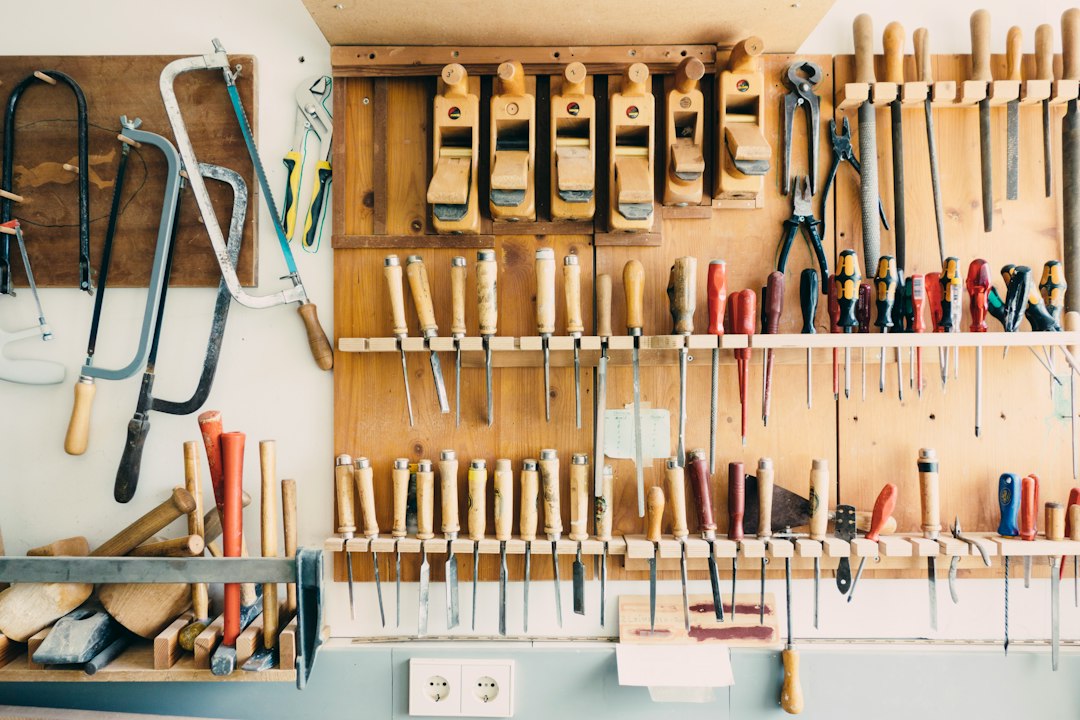
Why a Maintenance Routine Matters
Unmaintained equipment fails in two ways that both cost money: it breaks down entirely, halting work until it’s repaired or replaced, or — often worse — it keeps running but delivers degraded performance that isn’t obvious until the results show up later, like a mixer producing inconsistent batches or a vibrator that’s lost enough power to properly consolidate concrete. A simple, consistently applied maintenance routine catches problems while they’re still small, cheap fixes rather than site-stopping failures, and it protects the working life of equipment that often represents a meaningful upfront investment — an investment that, for many small contractors and self-builders, took real saving and planning to make in the first place.
Daily Checks (Before and After Use)
- Visual inspection. Look over each tool before starting for obvious damage, loose parts, fuel or oil leaks, or worn cables — a 60-second check that catches problems before they cause a bigger failure mid-task.
- Fuel and fluid levels. Check petrol, oil, or hydraulic fluid levels on any engine-driven equipment before starting the day’s work.
- Clean after use. Remove concrete residue, dust, and debris from every tool at the end of each working day — hardened concrete in particular becomes far harder to remove the longer it’s left.
- Secure storage overnight. Return equipment to a covered, secure storage area rather than leaving it exposed on site overnight, where weather and theft risk both increase.
Weekly and Periodic Checks
- Deeper inspection. Set aside time weekly (or at a frequency matched to how hard equipment is being used) for a more thorough check beyond the daily glance — moving parts, belts, blades, and connections.
- Lubrication. Grease or oil moving parts according to each manufacturer’s recommended schedule rather than only when something starts squeaking or sticking.
- Calibration checks. For precision equipment like a laser level, periodically verify it’s still reading accurately, especially after any transport, drop, or knock.
- Battery and electrical checks. Inspect battery terminals for corrosion and cables for wear on any battery-powered or electric equipment.
Equipment-Specific Maintenance Checklist
| Equipment | Key Maintenance Tasks |
|---|---|
| Laser level | Clean lens with a soft dry cloth; store in its case away from dust and sun; remove batteries during long non-use; recalibrate after any drop |
| Plate compactor | Check the vibration unit and belts; clean the base plate of caked soil after each use; check engine oil and air filter on engine-driven units |
| Concrete vibrator | Clean the poker head and flexible shaft immediately after each use before concrete hardens on it; inspect the shaft casing for damage; check motor/engine per manufacturer schedule |
| Concrete mixer | Wash the drum out fully at the end of each working day; check blades, belts, and drum seals for wear; keep the engine or motor serviced on schedule |
| Block moulding machine | Clean moulds and cavities of hardened residue after each use; check the vibration mechanism and mould condition periodically; keep mixer components (where integrated) on the same cleaning schedule as a standalone mixer |
Storage Best Practices
Where and how equipment is stored between uses matters almost as much as how it’s cleaned. Store tools in a covered, dry area — a site container or dedicated store room rather than left out under a tarpaulin — to protect against rain, direct sun, and dust, all of which accelerate wear on engines, electronics, and moving parts. Keep smaller precision items like laser levels in their protective cases rather than loose on a shelf, and organize larger equipment so it’s not stacked or crowded in a way that risks damage from other tools or materials leaning against it.
Fuel and Battery Care
For petrol and diesel-driven equipment, use clean fuel from a reliable source, and avoid letting fuel sit in a tank for extended idle periods, which can degrade fuel quality and affect engine starting reliability. For battery-powered tools, avoid letting batteries fully discharge repeatedly, store them at a moderate charge level rather than fully depleted during long non-use periods, and keep terminals clean and free of corrosion. Getting fuel and battery care right is a small daily discipline that has an outsized effect on how reliably engine and battery-driven equipment starts when you actually need it.
Record-Keeping: Why a Simple Maintenance Log Helps
A maintenance log doesn’t need to be complicated — even a simple notebook or spreadsheet noting the date, what was checked or serviced, and anything that needed attention is enough to be genuinely useful. Over time, this record helps you spot patterns (a piece of equipment needing the same repair repeatedly might be signalling a deeper problem), plan servicing before it becomes urgent, and make a more informed decision about when a tool is worth repairing versus replacing. It’s also useful if equipment is shared across a team or between projects, since a log means maintenance history isn’t only held in one person’s memory.
Common Signs Equipment Needs Attention
- Unusual noise or vibration. A change in sound or an increase in vibration beyond what’s normal for that tool is often an early warning sign worth investigating before it becomes a failure.
- Reduced performance. A vibrator that seems less effective, a mixer producing less consistent batches, or a compactor that seems to need more passes than before can all indicate a maintenance issue rather than just “normal” wear.
- Difficulty starting. An engine that’s becoming harder to start is frequently a fuel, battery, or basic maintenance issue caught early rather than a sign the whole unit needs replacing.
- Visible wear or damage. Frayed cables, cracked casings, or worn blades should be addressed before they fail during use, ideally, rather than after.
When to Repair vs Replace
As a general guide, if a repair costs a small fraction of the equipment’s replacement cost and the tool has otherwise been reliable, repairing usually makes sense. If a piece of equipment needs frequent, recurring repairs, or a single repair approaches a significant portion of what a replacement would cost, it’s often more economical over the medium term to replace it rather than keep patching the same underlying problem. A maintenance log (see above) makes this decision much easier, since you can see the actual repair history rather than relying on a gut feeling about how much trouble a particular tool has been.
Building a Maintenance Culture on Site
The single biggest factor in whether a maintenance routine actually happens isn’t the checklist itself — it’s whether it becomes a normal, expected part of how the site operates rather than an afterthought squeezed in when there’s time. Assigning clear responsibility for specific equipment, building daily checks into the start and end of the working day rather than treating them as optional, and treating the maintenance log as a genuine site record rather than paperwork for its own sake all help turn maintenance from a good intention into an actual habit.
Protecting Equipment Through Nigeria’s Rainy and Harmattan Seasons
Nigeria’s two distinct seasons each create their own maintenance pressure, and a routine that works well in one can fall short in the other if it isn’t adjusted. During the rainy season, the priority is keeping equipment dry and protected from standing water — engines and electrical components are particularly vulnerable, and a site container or raised, covered storage area matters more than usual when open ground turns to mud for weeks at a time. Petrol-engine equipment left exposed to persistent damp can also develop starting problems from moisture affecting ignition components, making a dry, covered store worth the extra effort during this period.
During the harmattan season, dust becomes the dominant concern instead. Fine dust works its way into moving parts, air filters, and vents far faster than in the rainy season, so air filters on engine-driven equipment need checking and cleaning more frequently, and precision items like a laser level’s lens need more regular wiping to stay accurate and readable. Adjusting the frequency of your cleaning and filter checks to match whichever season you’re in — rather than running one fixed schedule year-round — keeps equipment performing consistently despite Nigeria’s fairly extreme swing between the two conditions.
Training and Operator Responsibility
Even the best maintenance schedule breaks down if the people actually using the equipment day to day aren’t trained to spot problems or follow basic care habits. Take a few minutes when introducing any worker to a new piece of equipment to cover the specific checks that matter for that tool — what a plate compactor’s base plate should look like clean, how a vibrator’s poker should be handled to avoid shaft damage, what a mixer drum should look like at the end of a shift. Assigning informal ownership — one or two people responsible for noticing and reporting issues with a specific piece of equipment — tends to work better on small sites than leaving maintenance as everyone’s shared, and therefore no one’s specific, responsibility.
Getting the Right Equipment for Your Project
Well-maintained equipment is worth factoring into how you plan a project from the start, not just something to think about once tools are already on site. StructoTag can help you plan equipment needs — and the maintenance responsibilities that come with them — alongside your Bill of Quantities, whether that’s a laser level, a plate compactor, or a concrete mixer.
Frequently Asked Questions
How often should construction equipment be serviced?
It depends on the specific tool and how heavily it’s used, but as a general rule: daily visual checks and cleaning, weekly or periodic deeper inspections, and servicing according to each manufacturer’s recommended schedule rather than only when a problem appears.
What’s the most commonly neglected maintenance task on small sites?
End-of-day cleaning, especially removing wet concrete residue before it hardens, is one of the most commonly skipped tasks under time pressure — and one of the cheapest to do consistently compared to the cost of dealing with hardened build-up later.
Do I need a formal maintenance log for a small site?
A formal system isn’t necessary, but even a simple notebook or spreadsheet noting what was checked and when is genuinely useful for spotting recurring problems and deciding when to repair versus replace equipment.
How can I tell if equipment needs repair versus replacement?
As a general guide, if repair costs are small relative to replacement cost and the tool has otherwise been reliable, repair makes sense; frequent recurring repairs or a costly single repair often tip the balance toward replacement instead.
Does rented equipment still need daily maintenance checks?
Yes — even rented equipment should get the same daily visual inspection and basic care during your rental period, both to keep it working reliably for your project and because rental agreements often hold you responsible for damage caused by neglect.
What’s the biggest cause of premature equipment failure on small sites?
Inconsistent or skipped cleaning and basic checks, more than any single dramatic cause — small neglected issues compound over time into bigger, more expensive failures.
None of the equipment on a construction site — laser level, compactor, vibrator, mixer, or block moulding machine — performs at its best without basic, consistent care, and none of that care is complicated or expensive. A daily wipe-down and inspection, a periodic deeper check, and a simple record of what’s been done are enough to catch most problems early, extend the working life of tools that represent real investment, and keep a site running without the costly surprise of equipment failing exactly when it’s needed most.