Cement is one of the most important building materials used in the construction industry. From residential homes to bridges, dams, skyscrapers, and highways, cement plays a critical role in ensuring structural stability and durability. However, many people do not realize that there are different types of cement designed for specific construction purposes.
Understanding the various types of cement and their uses in construction helps engineers, builders, contractors, and homeowners choose the right material for the right project. Using the wrong cement type can lead to cracks, durability problems, chemical attacks, and structural failure.
In this comprehensive guide, you will learn about the major types of cement used in construction, their properties, advantages, disadvantages, and practical applications.
If you are interested in broader structural engineering concepts, you can also read about stages of Structural Design and Importance of Understanding Structural Principles.
What Is Cement?
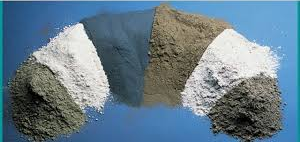
Cement is a binding material used in construction to hold aggregates such as sand and gravel together. When mixed with water, cement forms a paste that hardens over time and gains strength.
Featured Snippet Answer
Cement is a fine powder made from limestone, clay, gypsum, and other materials that acts as a binder in concrete and mortar construction.
Cement is mainly used in:
- Concrete production
- Plastering
- Masonry work
- Flooring
- Structural construction
- Water-retaining structures
Difference Between Cement and Concrete
Many people mistakenly use cement and concrete interchangeably, but they are different materials.
| Cement | Concrete |
|---|---|
| A binding powder | A construction composite |
| Made from limestone and clay | Made from cement, sand, aggregates, and water |
| Used as an ingredient | Used for structural works |
Concrete cannot be produced without cement.
You may also find our guide on Features Of Masonry Structures useful for understanding how cement contributes to masonry strength.
What Is Cement Made Of?
The main ingredients used in cement manufacturing include:
Limestone
Provides calcium carbonate required for clinker production.
Clay
Supplies silica, alumina, and iron oxide.
Gypsum
Controls cement setting time.
Iron Ore
Improves manufacturing efficiency and clinker formation.
How Cement Is Manufactured
The cement manufacturing process involves several stages:
- Crushing raw materials
- Mixing and grinding
- Heating in a rotary kiln
- Clinker production
- Grinding clinker with gypsum
- Packaging and distribution
Classification of Cement Types
Cement is generally classified as the following:
- Hydraulic cement
- Non-hydraulic cement
- Ordinary cement
- Special cement
Featured Snippet Answer
Hydraulic cement hardens in the presence of water, while non-hydraulic cement hardens through carbonation with air exposure.
Hydraulic cement is the most commonly used cement in modern construction.
Ordinary Portland Cement (OPC)
Ordinary Portland Cement is the most widely used cement in construction projects.
What Is OPC Cement?
OPC is produced by grinding clinker with gypsum. It develops high strength and is suitable for general construction works.
Types of OPC Cement
- OPC 33 Grade
- OPC 43 Grade
- OPC 53 Grade
Advantages of OPC
- High compressive strength
- Faster setting
- Widely available
- Suitable for RCC works
Disadvantages of OPC
- Generates more heat
- Less resistant to chemical attack
- Higher shrinkage risk
Uses of OPC Cement
- Reinforced concrete structures
- Bridges
- Pavements
- Residential buildings
- High-strength concrete
Portland Pozzolana Cement (PPC)
PPC cement is produced by blending pozzolanic materials such as fly ash with clinker.
Featured Snippet Answer
PPC cement is a blended cement made with pozzolanic materials that improve durability and reduce heat generation in concrete.
Advantages of PPC Cement
- Improved durability
- Lower heat of hydration
- Better resistance to sulphates
- Eco-friendly
Disadvantages of PPC
- Slower strength gain
- Longer setting period
Uses of PPC Cement
- Marine structures
- Mass concrete works
- Plastering
- Masonry works
- Sewage structures
OPC vs PPC Cement
| OPC | PPC |
|---|---|
| Gains strength quickly | Gains strength slowly |
| Produces more heat | Produces less heat |
| Better for fast-track projects | Better for durability |
| Less chemical resistance | More chemical resistance |
Rapid Hardening Cement
Rapid-hardening cement develops strength faster than OPC.
Advantages
- Early strength gain
- Faster construction
- Reduced curing time
Uses
- Precast concrete
- Road repair works
- Cold-weather concreting
Featured Snippet Answer
Rapid-hardening cement is used where high early strength is required, such as road repairs and precast construction.
Quick Setting Cement
Quick setting cement sets very rapidly after mixing with water.
Uses
- Underwater construction
- Emergency repair works
- Tunnel construction
Benefits
- Fast setting time
- Reduces water washout
- Useful in wet conditions
Low Heat Cement
Low heat cement minimizes heat generation during hydration.
Why It Matters
Large concrete structures generate heat internally. Excessive heat can cause thermal cracks.
Uses
- Dams
- Large foundations
- Retaining walls
- Massive concrete structures
Sulphate Resistant Cement
This cement protects concrete from sulphate attacks.
Featured Snippet Answer
Sulphate resistant cement is specially designed to resist sulphate attacks in soils and groundwater.
Uses
- Coastal structures
- Marine construction
- Sewage treatment plants
- Foundations in sulphate-rich soil
If you want to understand foundation systems better, read Types of Deep Foundations: A Comprehensive Guide.
White Cement
White cement is manufactured using raw materials with very low iron content.
Uses of White Cement
Difference Between White Cement and OPC
| White Cement | OPC |
|---|---|
| Decorative purpose | Structural purpose |
| White appearance | Grey appearance |
| Expensive | Less expensive |
Colored Cement
Colored cement is produced by adding pigments to ordinary cement.
Applications
- Decorative flooring
- Architectural finishes
- Exterior wall designs
Hydrophobic Cement
Hydrophobic cement resists moisture absorption during storage and transportation.
Advantages
- Longer shelf life
- Better performance in humid climates
Uses
- Remote construction projects
- Areas with high rainfall
High Alumina Cement
High alumina cement contains a high percentage of alumina.
Properties
- High heat resistance
- Chemical resistance
- Fast strength development
Uses
- Refractory concrete
- Industrial furnaces
- Chemical plants
Air Entraining Cement
Air entraining cement contains tiny air bubbles that improve freeze-thaw resistance.
Uses
- Cold climate construction
- Highway pavements
- Airport runways
Expansive Cement
Expansive cement expands slightly during hydration to compensate for shrinkage.
Uses
- Water tanks
- Repair works
- Grouting applications
Blast Furnace Slag Cement
Blast furnace slag cement is produced by blending slag from steel plants with clinker.
Advantages
- Eco-friendly
- Better durability
- Lower heat generation
Uses
- Marine structures
- Underground structures
- Large concrete pours
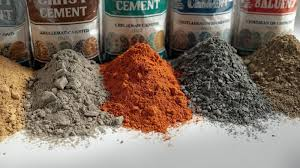
Types of Cement Used for Different Construction Works
Best Cement for House Construction
PPC cement is commonly preferred due to durability and reduced cracking.
Best Cement for RCC Structures
OPC 53 Grade is ideal for reinforced concrete works.
Best Cement for Plastering
PPC cement provides smoother finishing and better workability.
Best Cement for Foundation Construction
Sulphate resistant cement is suitable in aggressive soil conditions.
For more information about foundations, check out Type of Foundation Used for Load Bearing Wall and What Does a Structural Plan Consist of.
Comparison Table of Different Types of Cement
| Type of Cement | Main Feature | Best Application |
|---|---|---|
| OPC | High strength | RCC works |
| PPC | Durability | Masonry and plastering |
| Rapid Hardening | Early strength | Road repairs |
| Sulphate Resistant | Chemical resistance | Marine structures |
| White Cement | Decorative finish | Architectural works |
| Low Heat Cement | Reduced thermal cracking | Dams |
| Hydrophobic Cement | Moisture resistance | Humid regions |
How to Choose the Right Cement for Construction
Choosing the right cement depends on several factors.
Climate Conditions
Coastal regions require sulphate resistant cement.
Structural Requirements
High-rise buildings often require high-strength OPC cement.
Environmental Exposure
Aggressive environments need durable cement types.
Budget
PPC is usually more economical for residential projects.
If you are involved in advanced structural projects, read Foundation Design for High-Rise Buildings in Seismic Zones and Seismic Foundation Design.
Top Cement Brands Used in Construction
Popular cement manufacturers include:
- Dangote Cement
- Lafarge Africa
- BUA Cement
These brands produce high-quality cement suitable for residential and commercial construction.
Sustainable and Eco-Friendly Cement
The construction industry is moving toward sustainable cement alternatives.
Green Cement
Produced with lower carbon emissions.
Benefits of Eco-Friendly Cement
- Reduced environmental impact
- Lower energy consumption
- Improved sustainability
Frequently Asked Questions
Which type of cement is best for house construction?
PPC cement is commonly considered the best for residential construction due to durability and reduced cracking.
What is the difference between OPC and PPC cement?
OPC gains strength faster, while PPC provides better long-term durability.
Which cement is waterproof?
Hydrophobic cement offers better moisture resistance.
What type of cement is used in dams?
Low heat cement is used in dams to reduce thermal cracking.
Which cement gains strength fastest?
Rapid hardening cement develops strength very quickly.
Can white cement be used for structural works?
White cement is mainly used for decorative purposes rather than structural construction.
Which cement is best for marine construction?
Sulphate resistant cement is ideal for marine environments.
How do I identify good quality cement?
Good cement should be smooth, free from lumps, and properly packed with a valid manufacturing date.
Conclusion
Understanding the different types of cement and their uses in construction is essential for achieving strong, durable, and long-lasting structures. Each cement type is specially designed for particular environmental conditions and construction requirements.
Ordinary Portland Cement is suitable for general structural work, while PPC cement is ideal for durability and plastering applications. Sulphate resistant cement performs well in coastal regions, and rapid hardening cement is excellent for emergency construction projects.
Choosing the correct cement type improves structural performance, reduces maintenance costs, and increases the lifespan of buildings and infrastructure.
For more engineering and construction insights, visit StructoTag.