
The foundation of a steel structure is as critical as the framework it supports. Serving as the interface between the earth and the building, a well-designed foundation ensures stability, durability, and longevity. This article delves into the intricacies of steel structure foundations, focusing on their design, types, and installation processes.
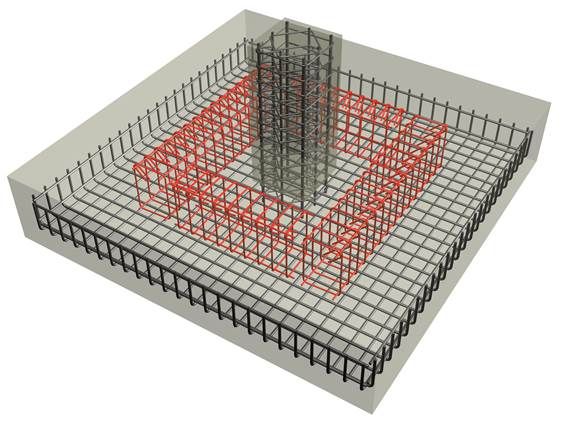
What are Steel Structure Foundations
Steel structure foundations are engineered systems designed to transfer the load of the structure above to the ground beneath. They are the bedrock of structural integrity, anchoring the building against environmental forces such as wind and seismic activity. The choice of foundation directly impacts the structure’s ability to withstand these forces and remain functional over its intended lifespan.
Types of Foundations Used for Steel Structures
The selection of a foundation type is contingent upon the structure’s requirements and the site conditions. Here’s an overview of the common foundations:
Shallow Foundations
- Strip Footings: These are continuous strips of concrete that provide support to load-bearing walls.
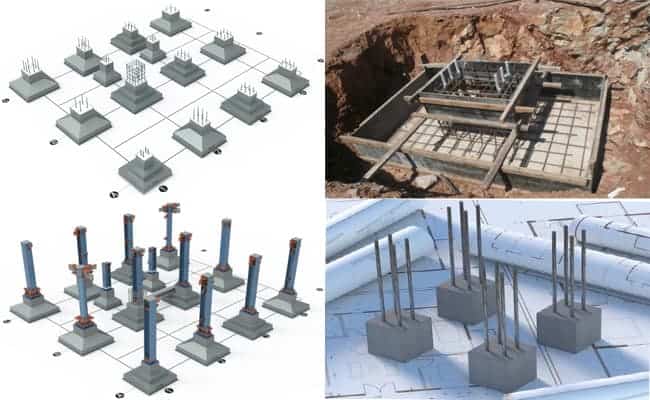
- Spread Footings: Individual pads of concrete that support columns or piers, distributing the load across a wider area.
- Mat Foundations: Also known as raft foundations, these cover a large area, supporting the entire structure, and are used when soil capacity is low.
Deep Foundations
- Piles: These are long, slender columns driven deep into the ground to reach a stable stratum. They come in two types: end-bearing piles, which rest on a firm layer, and friction piles, which rely on skin friction along their length for support.
- Drilled Shafts or Caissons: These are constructed by drilling a deep hole and filling it with concrete. They are used when the load has to be carried to a depth where the soil is more stable.
Factors Influencing the Choice of Foundation
Several factors influence the selection of the appropriate foundation for a steel structure:
- Load Characteristics: The weight and distribution of the structure’s load dictate the foundation’s load-bearing capacity requirements.
- Soil Type and Properties: The bearing capacity, density, and stability of the soil are paramount in foundation design.
- Environmental Considerations: The presence of a water table, potential for corrosion, and other environmental factors must be considered.
- Economic and Practical Considerations: The cost-effectiveness and practicality of constructing the foundation type in the given conditions are also crucial.
Conclusion
The foundation is a vital component of any steel structure, and understanding its design, types, and installation is essential for architects, engineers, and builders. By considering the various factors that influence foundation choice, one can ensure that the structure built will stand the test of time and nature. With advancements in engineering and construction technology, the foundations of today are becoming more sophisticated, ensuring that steel structures can reach new heights and spans, quite literally from the ground up.
Design Principles for Steel Structure Foundations
The design of steel structure foundations is a critical aspect of construction that ensures the safety, stability, and longevity of the structures they support. This comprehensive guide delves into the essential principles, standards, and practices that govern the design and implementation of these foundational elements.
Overview of Design Criteria
The primary design criteria for steel structure foundations include safety, ensuring the structure can withstand applied loads and environmental conditions; durability, to resist wear and tear over time; and cost-effectiveness, balancing initial investment with long-term value. Other considerations may include constructability, environmental impact, and adaptability to future modifications or expansions.
Common Design Standards and Codes
Adherence to established design standards and codes is paramount in foundation design. Relevant ISO and ASTM standards provide guidelines for materials, testing, and execution. For instance, ISO 19902 specifies requirements for the design and construction of offshore structures, while ASTM A690/A690M covers high-strength low-alloy nickel, copper, phosphorus steel H-piles and sheet piling for use in marine environments.
Key Design Steps
The design process typically involves:
- Site investigation to understand soil conditions and topography.
- Load assessment to determine the forces the foundation must support.
- Design calculations to ensure the foundation’s capacity meets or exceeds the applied loads.
Installation Process of Foundations
Site Preparation Steps
Site preparation involves clearing, grading, and excavating to create a stable base for foundation construction. It may also include dewatering and soil stabilization when necessary.
Detailed Installation Process
The installation process varies depending on the foundation type, such as shallow foundations (e.g., spread footings) or deep foundations (e.g., piles, caissons). Each type requires specific steps and considerations to ensure proper placement and load transfer.
Case Studies and Common Challenges
Real-world case studies illustrate the practical application of design principles and highlight common challenges, such as unexpected soil conditions or water intrusion, and the solutions implemented to overcome them.
Innovations in Foundation Technology
Recent advancements in foundation technology include the use of eco-friendly materials, such as recycled steel or low-carbon concrete, and automated installation techniques that improve efficiency and sustainability. The integration of sensors and IoT devices also enables real-time monitoring of foundation performance.
Maintenance and Inspection
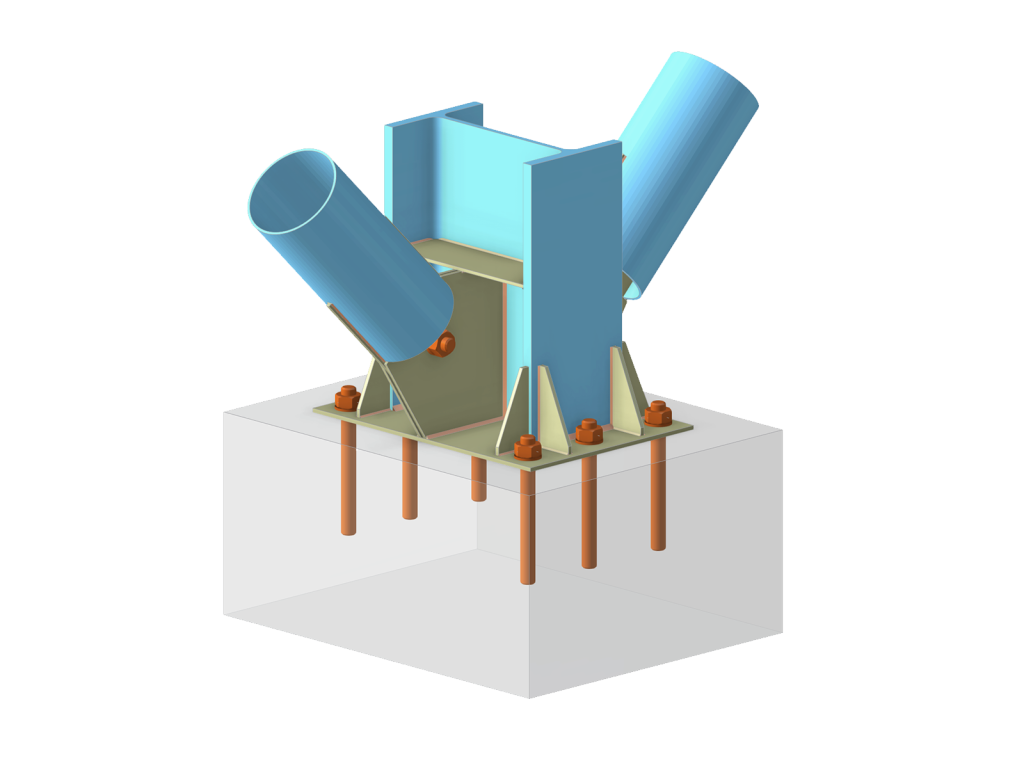
Routine inspections are crucial for identifying signs of distress, such as cracks or settlement. Maintenance activities might involve tightening connections, applying protective coatings, or reinforcing compromised areas to ensure the foundation’s integrity.
Choosing the right foundation is essential for the safety and performance of steel structures. This guide underscores the importance of rigorous design, adherence to standards, and proactive maintenance to ensure the success and longevity of construction projects.
Readers are encouraged to subscribe for more insights into steel structure foundations. For those seeking further information or consultation, additional resources and expert services are available to assist with specific needs or questions.
This guide aims to serve as a valuable resource for professionals in the field, providing a thorough understanding of the principles and practices that underpin the successful design and implementation of steel structure foundations.
One Response