In the ever-evolving landscape of urban development, rapid transit infrastructure plays a pivotal role in shaping the future of our cities. As urban populations continue to grow and the challenges of congestion, pollution, and sustainability become increasingly pressing, the need for efficient and well-designed rapid transit systems has never been more critical. This article delves into the intricate world of rapid transit infrastructure design, exploring the best practices, key challenges, and innovative solutions that are shaping the field.
At the heart of this complex endeavor lies the discipline of civil engineering. Civil engineers are the architects of our urban transit networks, tasked with designing systems that not only move people efficiently but also integrate seamlessly with existing urban fabrics, minimize environmental impact, and adapt to the changing needs of diverse populations. Their work encompasses a wide range of considerations, from structural design and geotechnical challenges to traffic flow management and sustainability practices.
In this comprehensive exploration, we will cover the fundamental aspects of rapid transit infrastructure, including its definition, importance, and key components. We’ll examine the critical considerations that shape the design process, from urban planning and environmental impact to accessibility and cost management. The article will also delve into the innovative approaches and technologies that are revolutionizing the field, such as smart infrastructure, sustainable materials, and emerging high-speed transit concepts.
Through case studies of successful projects around the world, we’ll gain insights into real-world applications of best practices and innovative solutions. Finally, we’ll look ahead to the future trends that are set to shape rapid transit infrastructure in the coming years and discuss the best practices that civil engineers should adopt to stay at the forefront of this dynamic field.
Whether you’re a civil engineering professional, an urban planner, or simply someone interested in the future of urban mobility, this article aims to provide a comprehensive understanding of the complexities and opportunities in designing rapid transit infrastructure for the cities of tomorrow.
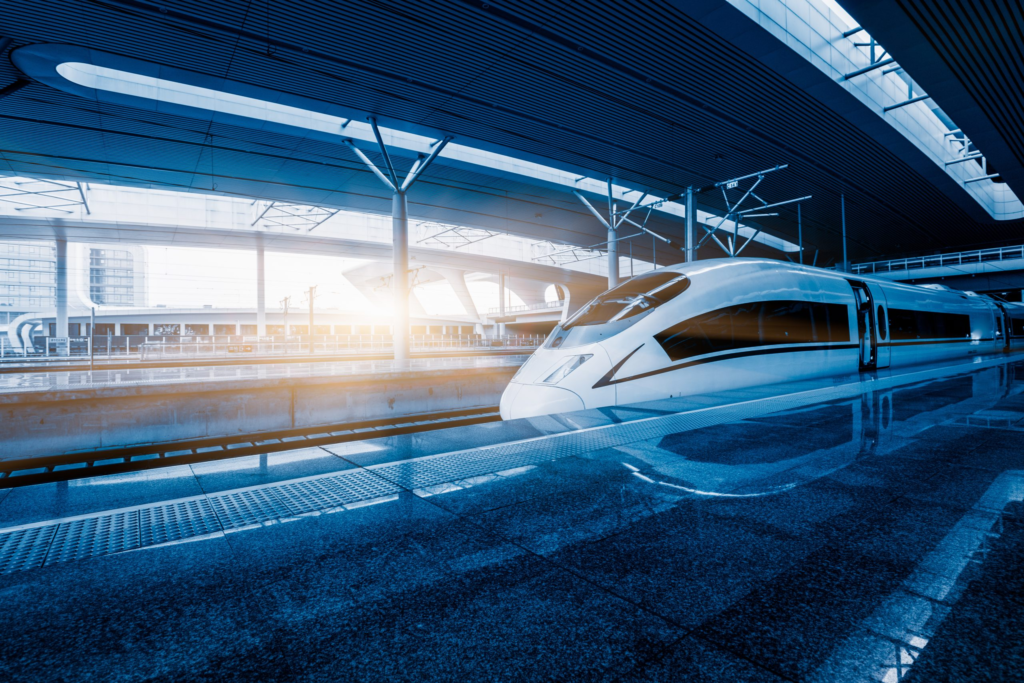
Understanding Rapid Transit Infrastructure
What is Rapid Transit?
Rapid transit, also known as mass rapid transit (MRT) or mass transit, refers to high-capacity public transportation systems designed to move large numbers of passengers quickly within urban areas. These systems are characterized by their dedicated right-of-way, frequent service, and ability to transport passengers more efficiently than traditional bus or streetcar systems.
The main types of rapid transit systems include:
- Metro or Subway Systems: These are high-capacity rail systems that operate on exclusive underground or elevated tracks. Examples include the London Underground and the New York City Subway.
- Light Rail Transit (LRT): Lighter and more flexible than metro systems, LRTs can operate both on dedicated tracks and in mixed traffic. The Portland MAX Light Rail is a notable example.
- Bus Rapid Transit (BRT): These systems use buses on dedicated lanes or busways to provide metro-like service. Curitiba’s BRT system in Brazil is often cited as a successful model.
- Commuter Rail: While typically serving longer distances between urban centers and suburbs, some commuter rail systems function as rapid transit within city limits. The Paris RER is an example of a hybrid commuter-rapid transit system.
Importance of Rapid Transit Systems
Rapid transit systems play a crucial role in shaping modern cities and improving the quality of life for urban residents. Their importance can be understood through several key benefits:
- Reducing Urban Congestion: By providing an efficient alternative to private vehicles, rapid transit systems help alleviate traffic congestion in densely populated areas. This reduction in congestion leads to decreased travel times, lower stress levels for commuters, and improved air quality.
- Promoting Economic Growth: Efficient transit systems enhance urban mobility, connecting workers to job opportunities and businesses to larger customer bases. They can stimulate economic development around transit hubs, creating new commercial and residential centers.
- Enhancing Quality of Life: Rapid transit offers a more sustainable and often more comfortable alternative to car-dependent lifestyles. It can reduce the time and stress associated with daily commutes, allowing residents more time for leisure and personal activities.
- Environmental Sustainability: By reducing reliance on private vehicles, rapid transit systems contribute to lower greenhouse gas emissions and improved air quality in urban areas.
- Urban Development and Land Use: Well-planned rapid transit systems can guide urban development, promoting higher density, mixed-use areas around transit stations and corridors. This Transit-Oriented Development (TOD) approach can lead to more efficient land use and vibrant urban communities.
- Social Equity: Rapid transit systems can improve accessibility to essential services, jobs, and educational opportunities for all segments of the population, including those who cannot afford or choose not to own private vehicles.
Key Components of Rapid Transit Infrastructure
Rapid transit infrastructure comprises several interconnected components, each critical to the system’s overall functionality and efficiency:
- Tracks and Guideways: These form the backbone of rail-based systems, providing a dedicated path for trains. They can be underground (tunnels), at-grade, or elevated. For BRT systems, dedicated bus lanes or busways serve a similar function.
- Stations: These are the access points where passengers board and alight from transit vehicles. Modern stations are designed not just for functionality but also for safety, accessibility, and integration with the surrounding urban environment.
- Rolling Stock: This refers to the vehicles used in the transit system, such as trains, light rail vehicles, or specialized buses for BRT systems. The design of rolling stock impacts system capacity, energy efficiency, and passenger comfort.
- Signaling Systems: These are crucial for maintaining safe distances between vehicles, regulating speed, and ensuring efficient operations. Advanced signaling systems can significantly increase the capacity of existing infrastructure.
- Power Supply: Most rapid transit systems require a reliable and substantial power supply. This includes electrification systems for rail-based transit and charging infrastructure for electric buses in BRT systems.
- Maintenance Facilities: These are essential for regular upkeep, repair, and storage of rolling stock. Well-designed maintenance facilities contribute to the longevity and reliability of the transit system.
- Control Centers: These facilities house the operational management systems, including traffic control, communication systems, and emergency response coordination.
- Fare Collection Systems: Modern rapid transit systems often employ sophisticated fare collection technologies, including smart card systems and mobile ticketing platforms.
- Access Infrastructure: This includes elements like escalators, elevators, pedestrian bridges, and bicycle parking facilities that enhance the accessibility and integration of stations with their surroundings.
Understanding these components and their interrelationships is crucial for civil engineers and urban planners involved in designing rapid transit infrastructure. Each element must be carefully considered and integrated to create a system that is not only efficient and reliable but also adaptable to future needs and technological advancements.
Key Considerations in Designing Rapid Transit Infrastructure
Urban Planning and Integration
The success of a rapid transit system hinges on its seamless integration with the existing urban fabric and its ability to shape future urban development. This integration is a complex process that requires close collaboration between civil engineers, urban planners, architects, and local authorities.
Integration with Existing Infrastructure and Urban Development
When designing rapid transit infrastructure, engineers must consider:
- Existing Transportation Networks: The new system should complement and enhance existing bus routes, bike lanes, and pedestrian pathways, creating an integrated multi-modal transportation network.
- Urban Morphology: The design must respect and adapt to the existing urban form, including street layouts, building densities, and architectural styles.
- Underground Utilities: In urban areas, careful planning is required to navigate complex networks of underground utilities, including water mains, sewers, and telecommunication lines.
- Historical and Cultural Preservation: The design should be sensitive to historical sites and cultural landmarks, often requiring creative engineering solutions to minimize impact.
Transit-Oriented Development (TOD) and Land-use Planning
Transit-Oriented Development is an urban planning approach that focuses on creating compact, walkable, mixed-use communities centered around high-quality transit systems. Key aspects of TOD in rapid transit design include:
- Station Area Planning: Designing stations and their immediate surroundings to encourage high-density, mixed-use development that maximizes transit ridership.
- Pedestrian and Cyclist Connectivity: Creating safe, attractive pedestrian and cycling routes to and from transit stations, often extending several kilometers into surrounding neighborhoods.
- Zoning and Land-use Policies: Working with local authorities to implement zoning changes that support higher densities and mixed-use development near transit corridors.
- Public Spaces: Incorporating public plazas, parks, and community facilities around transit hubs to create vibrant, livable urban spaces.
Successful integration and TOD can lead to numerous benefits, including increased transit ridership, reduced car dependency, improved air quality, and the creation of more vibrant, sustainable urban communities.
Environmental and Social Impact
The design of rapid transit infrastructure must carefully consider its environmental and social impacts, striving to maximize benefits while minimizing negative consequences.
Environmental Assessments and Sustainability Practices
Environmental considerations in rapid transit design include:
- Environmental Impact Assessments (EIA): Conducting thorough EIAs to identify potential environmental impacts and develop mitigation strategies.
- Carbon Footprint Reduction: Implementing designs and technologies that minimize energy consumption and greenhouse gas emissions during both construction and operation.
- Ecosystem Protection: Designing routes and construction methods that minimize disruption to local ecosystems, particularly in sensitive urban green spaces or wetlands.
- Noise and Vibration Mitigation: Employing advanced engineering techniques to reduce noise and vibration impacts on surrounding communities.
- Sustainable Materials: Utilizing eco-friendly materials and construction practices to reduce the overall environmental impact of the project.
Minimizing Social Disruption and Displacement
Social considerations are equally critical and include:
- Community Engagement: Involving local communities in the planning process to address concerns and incorporate local knowledge into the design.
- Displacement Mitigation: Developing strategies to minimize forced relocation of residents and businesses, and when unavoidable, ensuring fair compensation and support for those affected.
- Preserving Community Cohesion: Designing infrastructure that doesn’t create physical barriers within communities, and implementing measures to maintain social connections.
- Equity Considerations: Ensuring that the benefits of the transit system are equitably distributed across different socio-economic groups and neighborhoods.
Accessibility and Inclusivity
Creating rapid transit systems that are accessible and inclusive for all users is not just a legal requirement in many jurisdictions, but also a fundamental principle of good design.
Designing for People with Disabilities
Key considerations include:
- Universal Design Principles: Implementing designs that are usable by people with a wide range of abilities without the need for adaptation or specialized design.
- Level Boarding: Ensuring that the gap and height difference between platforms and vehicles are minimal, facilitating easy access for wheelchair users and those with mobility impairments.
- Tactile Guidance Systems: Installing tactile paving and braille signage to assist visually impaired passengers in navigating stations and platforms.
- Auditory and Visual Information Systems: Providing clear, multi-sensory information systems to assist passengers with hearing or visual impairments.
- Accessible Ticketing and Fare Gates: Designing ticket machines and fare gates that are usable by people with various disabilities.
Considerations for Aging Populations and Diverse User Groups
As urban populations age and become more diverse, transit designs must adapt:
- Seating and Rest Areas: Providing ample seating throughout stations and on platforms to accommodate older adults and those who cannot stand for long periods.
- Clear Wayfinding: Implementing intuitive navigation systems with clear, large-print signage in multiple languages to assist diverse user groups, including tourists and non-native speakers.
- Lighting and Visibility: Ensuring adequate lighting throughout the system to enhance safety and ease of use for all, passengers, particularly those with visual impairments or reduced mobility.
- Family-Friendly Facilities: Incorporating amenities such as wider gates for strollers, family restrooms, and nursing areas to accommodate families with young children.
- Cultural Sensitivity: Considering cultural norms and preferences in the design of public spaces and facilities within the transit system.
By prioritizing these key considerations – urban integration, environmental and social impact, and accessibility – civil engineers can design rapid transit systems that not only move people efficiently but also contribute positively to the urban environment and serve the diverse needs of all city residents.
Design Challenges and Solutions
Designing rapid transit infrastructure presents a myriad of challenges that require innovative solutions and careful planning. This section explores some of the most significant challenges faced by civil engineers in this field and the approaches used to address them.
Geotechnical Challenges
Geotechnical challenges are among the most complex and unpredictable aspects of rapid transit infrastructure design, particularly for underground systems.
Soil Conditions and Topography
- Varied Soil Types: Urban areas often have heterogeneous soil conditions, requiring different construction techniques and support systems along the transit route.
- Groundwater Management: High water tables can complicate underground construction, necessitating advanced dewatering systems and waterproofing techniques.
- Seismic Considerations: In earthquake-prone regions, designs must incorporate seismic resilience, which can significantly impact structural choices and increase costs.
Tunneling Challenges
- Tunnel Boring Machines (TBMs): Selection of appropriate TBMs based on soil conditions, tunnel diameter, and length is crucial for efficient and safe tunneling.
- Settlement Control: Minimizing surface settlement during tunneling, especially in densely built urban areas, requires careful monitoring and often the use of compensation grouting techniques.
- Existing Underground Structures: Navigating around existing underground infrastructure, including utility lines, basements, and other tunnels, presents significant challenges in urban environments.
Solutions: To address these challenges, engineers employ a range of techniques:
- Extensive geotechnical investigations and soil testing prior to design and construction.
- Use of advanced numerical modeling to predict soil behavior and structural interactions.
- Implementation of real-time monitoring systems during construction to detect and respond to ground movements.
- Application of ground improvement techniques such as jet grouting or deep soil mixing to stabilize weak soils.
- Adoption of flexible design approaches that can adapt to unexpected ground conditions encountered during construction.
Structural Design Considerations
Structural design in rapid transit systems must balance safety, durability, and cost-effectiveness while accommodating the unique demands of transit operations.
Load-Bearing Structures
- Dynamic Loads: Structures must withstand the repetitive dynamic loads from passing trains, which can lead to fatigue over time.
- Vibration Control: Minimizing vibrations is crucial for passenger comfort and to prevent damage to nearby buildings, especially in underground sections.
- Thermal Expansion: Long continuous structures like viaducts must accommodate thermal expansion and contraction.
Seismic Design and Resilience
- Earthquake Resistance: In seismic zones, structures must be designed to withstand significant ground motions while maintaining operational safety.
- Isolators and Dampers: Implementation of base isolation systems and dampers to mitigate seismic forces on critical structures.
Solutions: Structural engineers employ various strategies to address these challenges:
- Use of advanced materials like high-performance concrete and fiber-reinforced polymers to enhance strength and durability.
- Implementation of tuned mass dampers and other vibration control devices in elevated structures.
- Adoption of performance-based seismic design approaches, which focus on achieving specific performance objectives under different earthquake scenarios.
- Utilization of advanced structural analysis software to model complex load scenarios and structural responses.
- Implementation of structural health monitoring systems to track the long-term performance and integrity of critical structures.
Traffic and Pedestrian Flow Management
Efficient management of passenger flows is critical for the safety and functionality of rapid transit systems, particularly at stations and interchanges.
Efficient Station Design
- Capacity Planning: Stations must be designed to handle peak passenger volumes, considering future growth projections.
- Circulation Paths: Clear, intuitive circulation paths are essential to move passengers efficiently through the station.
- Platform Design: Platform width and length must accommodate expected passenger volumes and train configurations.
Crowd Control and Safety Measures
- Emergency Evacuation: Designs must facilitate rapid evacuation in emergency scenarios.
- Queuing Systems: Implementing effective queuing systems at ticket barriers and platforms to manage peak flows.
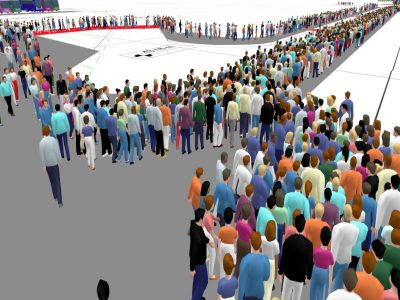
- Pedestrian Modeling: Use of pedestrian flow modeling to optimize designs and identify potential bottlenecks.
Solutions: To address these challenges, designers employ various strategies:
- Use of advanced pedestrian simulation software to model and optimize passenger flows.
- Implementation of dynamic signage systems to guide passengers and distribute flows during peak times.
- Design of wider staircases, multiple escalators, and strategically placed elevators to facilitate smooth vertical circulation.
- Incorporation of platform screen doors to enhance safety and control passenger boarding.
- Use of smart ticketing systems and contactless payment options to reduce queuing at entry points.
Budget Constraints and Cost Management
Rapid transit projects are often large-scale public investments that face significant scrutiny over costs. Managing budgets while delivering high-quality infrastructure is a major challenge.
Cost-Effective Design Strategies
- Standardization: Developing standardized designs for common elements like stations can reduce design and construction costs.
- Phased Implementation: Planning systems that can be built and expanded in phases to spread costs over time.
- Technology Selection: Choosing appropriate technologies that balance performance and cost-effectiveness for the specific context.
Value Engineering
- Life-Cycle Cost Analysis: Considering long-term operational and maintenance costs in addition to initial construction costs.
- Alternative Analysis: Evaluating multiple design alternatives to identify the most cost-effective solutions that meet performance requirements.
Solutions: Cost management strategies in rapid transit projects include:
- Early contractor involvement to identify cost-saving opportunities and constructability improvements.
- Use of Building Information Modeling (BIM) to improve coordination and reduce costly errors during construction.
- Implementation of lean construction practices to minimize waste and improve efficiency.
- Exploration of public-private partnerships (PPPs) to leverage private sector efficiency and share financial risks.
- Adoption of performance-based contracting to incentivize cost-effective solutions from contractors.
By addressing these challenges through innovative solutions and careful planning, civil engineers can create rapid transit systems that are not only efficient and safe but also economically viable and sustainable in the long term.
Innovative Approaches in Rapid Transit Design
The field of rapid transit design is constantly evolving, driven by technological advancements, environmental concerns, and changing urban needs. This section explores some of the most promising innovative approaches that are shaping the future of rapid transit infrastructure.
Sustainable Materials and Practices
Sustainability has become a central focus in rapid transit design, with engineers and planners seeking ways to reduce the environmental impact of both construction and operation.
Use of Eco-friendly Materials
- Recycled Materials: Incorporating recycled aggregates in concrete, reclaimed steel, and other recycled materials in construction to reduce the demand for virgin resources.
- Low-Carbon Concrete: Utilizing geopolymer concrete or concrete with supplementary cementitious materials to reduce the carbon footprint of structures.
- Sustainable Wood Products: Using certified sustainable timber for appropriate applications, such as station interiors or noise barriers.
Energy-Efficient Designs
- Regenerative Braking Systems: Implementing systems that capture and reuse the energy generated when trains brake, significantly reducing overall energy consumption.
- Natural Lighting and Ventilation: Designing stations to maximize natural light and airflow, reducing reliance on artificial lighting and mechanical ventilation.
- Green Roofs and Walls: Incorporating vegetation into station designs to improve insulation, manage stormwater, and enhance biodiversity.
Case Study: The Stockholm City Line (Citybanan) project in Sweden exemplifies sustainable rapid transit design. The project used low-carbon concrete mixtures, reducing CO2 emissions by 20,000 tons. Additionally, the stations feature extensive use of natural lighting and energy-efficient systems, significantly reducing operational energy consumption.
Smart Infrastructure and Technology Integration
The integration of smart technologies is revolutionizing rapid transit systems, improving efficiency, safety, and user experience.
Implementation of IoT and AI
- Predictive Maintenance: Using IoT sensors and AI algorithms to monitor system components in real-time, predicting maintenance needs before failures occur.
- Smart Energy Management: Implementing AI-driven systems to optimize energy use across the network, adjusting lighting, heating, and cooling based on passenger flow and environmental conditions.
- Automated Operations: Developing fully automated train control systems that enhance safety and operational efficiency.
Data Analytics for Smarter Transit Systems
- Real-time Passenger Information: Providing accurate, up-to-the-minute information on train arrivals, delays, and platform changes through mobile apps and digital displays.
- Crowd Management: Using data analytics to predict and manage passenger flows, adjusting service frequency and capacity in real-time.
- Integrated Mobility Solutions: Developing platforms that integrate rapid transit with other modes of transport (bikes, ride-sharing, etc.) for seamless multi-modal journeys.
Case Study: The Hong Kong MTR Corporation has implemented a comprehensive asset management system using IoT sensors and AI analytics. This system monitors over 500,000 assets in real-time, predicting maintenance needs and optimizing resource allocation, resulting in a 5% reduction in maintenance costs and a significant improvement in system reliability.
Modular and Prefabricated Construction Techniques
Modular and prefabricated construction methods are gaining traction in rapid transit projects, offering benefits in terms of speed, quality control, and cost efficiency.
Speeding up Construction with Modular Designs
- Standardized Station Modules: Developing standardized, prefabricated station components that can be quickly assembled on-site, reducing construction time and disruption.
- Modular Track Systems: Utilizing prefabricated track sections that can be rapidly installed, particularly beneficial for elevated or at-grade sections.
- Factory-Built Systems: Constructing entire system components (e.g., electrical substations, ventilation units) off-site and installing them as complete modules.
Prefab Components for Enhanced Quality and Efficiency
- Precast Concrete Elements: Using precast concrete segments for tunnels, viaducts, and station structures to improve quality control and reduce on-site construction time.
- 3D Printed Components: Exploring the use of 3D printing technology for creating complex structural elements or customized station fixtures.
- Plug-and-Play Systems: Implementing modular electrical and mechanical systems that can be easily installed and upgraded, improving long-term maintenance efficiency.
Case Study: The Crossrail project in London extensively used modular and prefabricated components. For instance, the Canary Wharf station was constructed using prefabricated sections floated into place on the River Thames. This approach significantly reduced construction time and minimized disruption to the surrounding urban area.
These innovative approaches in rapid transit design are not only enhancing the efficiency and sustainability of transit systems but are also reshaping the way we think about urban mobility. By embracing these technologies and methods, civil engineers can create transit infrastructure that is more adaptable, efficient, and responsive to the evolving needs of urban populations.
Case Studies of Successful Rapid Transit Projects
Examining successful rapid transit projects from around the world provides valuable insights into best practices and innovative solutions in transit infrastructure design. This section explores three notable case studies, each highlighting different aspects of successful rapid transit implementation.
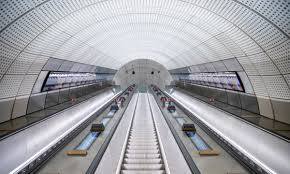
The London Crossrail Project
The Crossrail project, also known as the Elizabeth Line, is one of Europe’s largest infrastructure projects, showcasing innovative engineering solutions in a complex urban environment.
Overview
- A 118-km railway line running through London, connecting existing National Rail lines in the east and west.
- Includes 42 km of new tunnels beneath central London.
- Designed to increase London’s rail capacity by 10% and reduce journey times across the city.
Challenges and Solutions
- Tunneling in Dense Urban Areas: Used eight tunnel boring machines (TBMs) specially designed to minimize ground settlement in London’s complex geology.
- Integration with Existing Infrastructure: Employed advanced 3D modeling and careful planning to navigate around existing underground structures and utilities.
- Historical Preservation: Implemented archaeological programs to preserve historical artifacts discovered during construction.
- Environmental Considerations: Adopted sustainable practices, including the reuse of excavated material for habitat creation at Wallasea Island.
Innovations
The Hong Kong MTR
The Hong Kong Mass Transit Railway (MTR) is renowned for its efficiency, reliability, and integration with urban development.
Overview
- A comprehensive rapid transit system serving Hong Kong, with over 90 stations across 11 lines.
- Known for its “Rail + Property” development model, integrating transit infrastructure with commercial and residential development.
Integration with Urban Development
- Transit-Oriented Development: MTR Corporation develops properties above and around stations, creating self-contained communities centered on transit nodes.
- Pedestrian Connectivity: Extensive network of pedestrian walkways and bridges connecting stations to surrounding buildings and public spaces.
Sustainable Practices
- Implementation of energy-efficient systems, including regenerative braking and smart environmental controls in stations.
- Use of noise-reducing track designs and vibration damping systems to minimize impact on surrounding areas.
Operational Efficiency
- Advanced asset management system using IoT and AI for predictive maintenance.
- Highly efficient crowd management systems, including platform screen doors and real-time passenger information displays.
The Delhi Metro
The Delhi Metro is a prime example of successful rapid transit implementation in a rapidly growing, densely populated city in a developing country.
Overview
- A comprehensive metro system serving Delhi and its satellite cities, with over 250 stations and 10 lines.
- Notable for its rapid expansion and adoption of advanced technologies.
Innovations in Design
- Accessibility: Implementation of universal design principles, making the system fully accessible to people with disabilities.
- Energy Efficiency: First metro system in the world to be registered for carbon credits under the United Nations Framework Convention on Climate Change.
- Water Conservation: Rainwater harvesting systems installed at depots and stations to replenish groundwater.
Operational Efficiency
- Use of Communication Based Train Control (CBTC) system for enhanced safety and operational efficiency.
- Implementation of a smart card ticketing system to reduce queuing times and improve passenger flow.
Construction Techniques
- Adoption of prefabricated construction methods to speed up construction and minimize disruption in dense urban areas.
- Use of tunnel boring machines for efficient underground construction, minimizing surface disturbance.
These case studies demonstrate how innovative design approaches, sustainable practices, and effective integration with urban development can lead to successful rapid transit systems. They highlight the importance of adapting solutions to local contexts while leveraging global best practices in engineering and urban planning.
Future Trends in Rapid Transit Infrastructure
The field of rapid transit infrastructure is continuously evolving, driven by technological advancements, changing urban dynamics, and growing environmental concerns. This section explores some of the key trends that are likely to shape the future of rapid transit systems.
Autonomous Rapid Transit Systems
Autonomous technology is poised to revolutionize rapid transit systems, offering potential benefits in safety, efficiency, and operational flexibility.
Prospects of Driverless Trains
- Enhanced Safety: Automated systems can potentially reduce human error, leading to fewer accidents.
- Increased Frequency: Driverless trains can operate at shorter headways, increasing system capacity.
- Energy Efficiency: Optimized acceleration and braking profiles can reduce energy consumption.
- Flexible Operations: Easier adjustment of service frequency to match demand fluctuations.
Challenges of Automated Operations
- Infrastructure Adaptations: Existing systems may require significant modifications to support autonomous operations.
- Cybersecurity: Increased reliance on digital systems raises concerns about potential cyber attacks.
- Public Acceptance: Overcoming public skepticism and ensuring passenger comfort with driverless systems.
- Regulatory Framework: Developing appropriate regulations and safety standards for autonomous transit systems.
Emerging Examples: Cities like Singapore, Dubai, and Paris are already operating fully automated metro lines, providing valuable insights into the implementation and operation of such systems.
Green Transit Corridors
The concept of green transit corridors represents a holistic approach to sustainable urban transportation, integrating rapid transit infrastructure with environmental design.
Incorporating Green Spaces
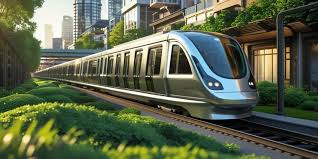
- Linear Parks: Developing green spaces along elevated or at-grade transit lines, creating recreational areas and improving urban biodiversity.
- Vertical Gardens: Integrating vegetation into station designs and transit structures to improve air quality and aesthetics.
- Bioswales and Rain Gardens: Implementing natural stormwater management systems along transit corridors.
Renewable Energy Integration
- Solar Panels: Installing photovoltaic systems on station roofs and along tracks to generate clean energy for transit operations.
- Wind Turbines: Exploring the use of small-scale wind turbines in suitable locations along transit corridors.
- Piezoelectric Systems: Investigating technologies that can harvest energy from passenger movements or train vibrations.
Case Study: The Hoffice LRT project in Utrecht, Netherlands, exemplifies this trend. The project incorporates a “bee-friendly” green roof along the tram line, supporting urban biodiversity while providing an attractive green corridor through the city.
Hyperloop and Other High-Speed Transit Innovations
Emerging high-speed transit technologies like Hyperloop represent potential paradigm shifts in rapid transit, promising dramatically reduced travel times over long distances.
Hyperloop Technology
- Concept: Pods traveling through low-pressure tubes at near-supersonic speeds, potentially reaching up to 1200 km/h.
- Potential Benefits: Drastically reduced travel times, lower energy consumption compared to traditional high-speed rail or air travel.
- Challenges: High infrastructure costs, technical complexities, and safety concerns associated with high-speed vacuum tube travel.
Other High-Speed Innovations
- Maglev Trains: Further development of magnetic levitation technology for high-speed intercity travel.
- Flying Taxis: Exploration of urban air mobility solutions for rapid point-to-point transit in congested cities.
- Underground Automated Highways: Concepts like Elon Musk’s “The Boring Company” propose networks of underground tunnels for high-speed electric vehicle transit.
Current Developments: While still largely in the conceptual or testing phase, several Hyperloop projects are under development globally, including Virgin Hyperloop’s test track in Nevada and projects in India, Europe, and the Middle East.
These future trends highlight the ongoing evolution of rapid transit infrastructure, driven by the need for more efficient, sustainable, and high-capacity urban transportation solutions. While some of these concepts are still in early stages of development, they represent the direction in which the field is moving, challenging civil engineers to think creatively about the future of urban mobility.
Best Practices for Civil Engineers in Rapid Transit Design
As the field of rapid transit infrastructure continues to evolve, civil engineers play a crucial role in shaping the future of urban mobility. This section outlines key best practices that civil engineers should adopt to excel in rapid transit design and implementation.
Collaboration with Stakeholders
Effective collaboration with various stakeholders is essential for the success of any rapid transit project.
Engaging Communities
- Public Consultation: Conduct thorough and inclusive public consultation processes to understand community needs and concerns.
- Transparent Communication: Maintain open and clear communication channels throughout the project lifecycle.
- Community Impact Assessments: Conduct comprehensive assessments of how the project will affect local communities and develop mitigation strategies.
Working with Government Agencies
- Regulatory Compliance: Stay informed about and adhere to all relevant local, national, and international regulations and standards.
- Interagency Coordination: Foster effective communication and collaboration among various government departments and agencies involved in the project.
- Policy Alignment: Ensure that project designs align with broader urban development policies and transportation strategies.
Private Sector Partnerships
- Public-Private Partnerships (PPPs): Explore opportunities for PPPs to leverage private sector expertise and resources.
- Industry Collaboration: Engage with technology providers, construction firms, and other industry partners to incorporate cutting-edge solutions and best practices.
- Knowledge Sharing: Participate in industry forums and professional networks to exchange ideas and learn from other projects globally.
Continuous Professional Development
The rapidly evolving nature of rapid transit infrastructure demands that civil engineers continuously update their knowledge and skills.
Staying Updated with Latest Trends and Technologies
- Ongoing Education: Pursue continuing education courses and advanced degrees in relevant areas such as transportation engineering, urban planning, or sustainable design.
- Technology Proficiency: Stay proficient in the latest design and modeling software, as well as emerging technologies like BIM (Building Information Modeling).
- Research Engagement: Participate in or stay informed about ongoing research in rapid transit infrastructure and related fields.
Professional Certifications
- Specialized Certifications: Pursue relevant certifications such as Professional Engineer (PE), LEED AP (Leadership in Energy and Environmental Design Accredited Professional), or PMP (Project Management Professional).
- Industry-Specific Qualifications: Obtain certifications specific to transit infrastructure, such as those offered by the American Public Transportation Association (APTA) or similar organizations in other countries.
Emphasizing Safety and Quality Control
Ensuring the highest standards of safety and quality is paramount in rapid transit infrastructure projects.
Implementing Rigorous Safety Protocols
- Safety by Design: Incorporate safety considerations from the earliest stages of design, including risk assessments and hazard analyses.
- Construction Safety: Develop and enforce comprehensive safety plans for all construction activities.
- Operational Safety: Design systems with built-in redundancies and fail-safes to ensure passenger safety during operations.
Quality Assurance Practices
- Quality Management Systems: Implement robust quality management systems throughout the project lifecycle.
- Third-Party Verification: Engage independent experts for design reviews and quality audits.
- Performance Testing: Conduct thorough testing and commissioning procedures to ensure all systems meet or exceed performance specifications.
Continuous Improvement
- Lessons Learned: Systematically document and apply lessons learned from each project phase and from other projects globally.
- Post-Project Evaluations: Conduct comprehensive post-project evaluations to identify areas for improvement in future projects.
- Feedback Loops: Establish mechanisms for ongoing feedback from operations and maintenance teams to inform future designs.
By adhering to these best practices, civil engineers can significantly enhance the quality, safety, and overall success of rapid transit infrastructure projects. These practices not only contribute to better project outcomes but also help in advancing the field as a whole, pushing the boundaries of what’s possible in urban transportation systems.
The design and implementation of rapid transit infrastructure represent one of the most complex and impactful areas of civil engineering in the urban context. As we’ve explored throughout this article, the field is characterized by a unique set of challenges, innovative solutions, and evolving best practices.
Key points to recap include:
- The critical role of rapid transit in addressing urban congestion, promoting sustainable development, and enhancing quality of life in cities.
- The multifaceted nature of rapid transit design, encompassing aspects from geotechnical engineering and structural design to traffic management and environmental considerations.
- The importance of integrating rapid transit systems with existing urban fabrics and future development plans, as exemplified by successful projects like the Hong Kong MTR.
- The ongoing technological revolution in the field, including the advent of autonomous systems, smart infrastructure, and potentially game-changing concepts like Hyperloop.
- The critical need for sustainable and environmentally conscious design approaches, as seen in the trend towards green transit corridors and energy-efficient systems.
- The paramount importance of safety, quality control, and continuous professional development in ensuring successful project outcomes.
Looking to the future, the outlook for rapid transit infrastructure is both exciting and challenging. As urban populations continue to grow and cities grapple with issues of sustainability and livability, the demand for efficient, environmentally friendly transit solutions will only increase. This presents civil engineers with unprecedented opportunities to shape the cities of tomorrow.
The future of rapid transit will likely be characterized by:
- Increased integration of smart technologies and data-driven decision making in both design and operations.
- A stronger emphasis on sustainability, with transit systems playing a key role in cities’ efforts to reduce carbon emissions and enhance urban ecosystems.
- More flexible and adaptable transit solutions that can respond to changing urban dynamics and emerging mobility patterns.
- Greater integration between different modes of transportation, creating seamless, multi-modal urban mobility networks.
For civil engineers working in this field, the key to success will lie in embracing innovation while maintaining a steadfast commitment to safety, quality, and public benefit. It will require a multidisciplinary approach, combining traditional engineering skills with knowledge of emerging technologies, urban planning principles, and environmental science.
As we move forward, the challenge for civil engineers will be to create rapid transit systems that are not just efficient and reliable, but also sustainable, inclusive, and adaptable to the changing needs of urban populations. By rising to this challenge, civil engineers have the opportunity to make a lasting positive impact on cities and communities around the world, shaping the future of urban mobility for generations to come.
FAQs
What are the main types of rapid transit systems?
The main types of rapid transit systems include:
- Metro or Subway Systems: High-capacity rail systems operating on exclusive underground or elevated tracks.
- Light Rail Transit (LRT): Lighter rail systems that can operate both on dedicated tracks and in mixed traffic.
- Bus Rapid Transit (BRT): Bus-based systems operating on dedicated lanes or busways to provide metro-like service.
- Commuter Rail: Rail systems connecting urban centers with suburbs, sometimes functioning as rapid transit within city limits.
How do rapid transit systems benefit urban areas?
Rapid transit systems offer numerous benefits to urban areas:
- Reduced traffic congestion and improved mobility
- Decreased air pollution and carbon emissions
- Enhanced economic development and property values near transit hubs
- Improved quality of life through reduced commute times and stress
- More efficient land use and promotion of compact urban development
- Increased accessibility to jobs, education, and services for all residents
What are the major challenges in designing rapid transit infrastructure?
Major challenges in rapid transit infrastructure design include:
- Integrating new systems with existing urban infrastructure and development
- Managing geotechnical risks, especially in underground construction
- Ensuring safety and reliability in complex, high-capacity systems
- Balancing project costs with desired system performance and features
- Minimizing environmental impacts and promoting sustainability
- Addressing accessibility needs for diverse user groups
- Managing public expectations and stakeholder interests
How is technology impacting the future of rapid transit systems?
Technology is significantly impacting rapid transit systems in several ways:
- Autonomous train operations improving safety and efficiency
- Smart infrastructure and IoT enabling predictive maintenance and real-time system management
- Advanced signaling systems increasing capacity on existing lines
- Mobile apps and smart ticketing enhancing user experience and system accessibility
- Data analytics optimizing service planning and operations
- Emerging concepts like Hyperloop potentially revolutionizing long-distance rapid transit
What role do civil engineers play in rapid transit projects?
Civil engineers play a crucial role in rapid transit projects, including:
- Designing and overseeing construction of tracks, tunnels, bridges, and stations
- Conducting geotechnical investigations and developing appropriate foundation designs
- Planning and implementing traffic management strategies during construction
- Ensuring structural integrity and safety of all infrastructure components
- Integrating sustainable design principles and environmental mitigation measures
- Collaborating with other disciplines to ensure system-wide integration and efficiency
- Managing project timelines, budgets, and quality control processes
- Adapting designs to local conditions and regulatory requirements
Civil engineers are at the forefront of creating the sustainable, efficient, and resilient rapid transit systems that will shape the cities of tomorrow.