
In the realm of urban planning and transportation engineering, understanding the distinctions between light rail and heavy rail systems is crucial. These two modes of public transit play significant roles in shaping our cities, influencing urban development, and addressing the ever-growing need for efficient and sustainable transportation solutions.
This comprehensive article delves into the key differences between light rail and heavy rail, exploring their design, capacity, costs, and environmental impacts. By examining these aspects in detail, we aim to provide valuable insights for civil engineers, urban planners, and policymakers involved in transportation infrastructure projects.
Understanding Rail Systems
Definition of Light Rail
What is Light Rail?
Light rail is a form of urban public transportation that typically operates on dedicated tracks, often at street level. It is characterized by its flexibility, ability to navigate tighter curves, and capacity to blend seamlessly with urban environments. Light rail vehicles (LRVs) are generally lighter and more maneuverable than their heavy rail counterparts.
Common Uses and Applications
Light rail systems are commonly used for:
- Inner-city transportation
- Connecting suburbs to city centers
- Serving as feeders to larger transit systems
- Supporting urban redevelopment initiatives
Examples of Light Rail Systems Worldwide
Notable examples of light rail systems include:
- Portland MAX Light Rail (USA)
- Manchester Metrolink (UK)
- Dubai Tram (UAE)
- Melbourne Tram Network (Australia)
Definition of Heavy Rail
What is Heavy Rail?
Heavy rail, also known as rapid transit or metro, refers to high-capacity urban public transportation systems that operate on dedicated tracks, often separated from other traffic. These systems typically feature larger, heavier trains and are designed to move large numbers of passengers quickly over longer distances.
Common Uses and Applications
Heavy rail systems are primarily used for:
- High-volume commuter transportation in large urban areas
- Connecting major city centers with suburbs and satellite towns
- Providing rapid transit across extensive metropolitan regions
- Serving as the backbone of integrated public transportation networks
Examples of Heavy Rail Systems Worldwide
Prominent examples of heavy rail systems include:
- New York City Subway (USA)
- London Underground (UK)
- Tokyo Metro (Japan)
- Moscow Metro (Russia)
Design and Infrastructure Differences
Track Design and Construction
Track Gauge and Alignment
Light Rail:
- Typically uses standard gauge (1,435 mm)
- Can navigate tighter curves (minimum radius often around 25-30 meters)
- May share roads with other traffic or have dedicated lanes
Heavy Rail:
- Also predominantly uses standard gauge
- Requires larger curve radii (typically 200 meters or more)
- Operates on fully segregated tracks, often underground or elevated
Materials Used in Light Rail vs. Heavy Rail
Light Rail:
- Often uses embedded rail systems for street-level operation
- May employ lighter rail profiles and sleeper systems
- Can utilize more flexible track bed designs
Heavy Rail:
- Uses heavier rail profiles to support greater loads
- Requires more robust sleeper and ballast systems
- Often incorporates noise and vibration mitigation measures
Construction Complexity
Light Rail:
- Generally less complex and faster to construct
- Can often be integrated into existing streetscapes
- May require less extensive tunneling or elevated structures
Heavy Rail:
- More complex construction, especially for underground systems
- Requires extensive tunneling, viaducts, or dedicated corridors
- Longer construction timelines and higher engineering complexity
Station Design
Platform Heights and Accessibility
Light Rail:
- Often features low-floor vehicles with platform heights around 300-350 mm
- Easier street-level access, often with minimal or no steps
- May use raised platforms in some systems for level boarding
Heavy Rail:
- Typically has high platforms (760-1100 mm) for level boarding
- Requires more extensive infrastructure for accessibility (elevators, escalators)
- Designed for rapid boarding and alighting of large numbers of passengers
Station Size and Amenities
Light Rail:
- Smaller stations, often simple shelters or stops
- Limited amenities, focusing on basic passenger needs
- May integrate with surrounding urban landscape
Heavy Rail:
- Larger stations with extensive underground or elevated structures
- More comprehensive amenities (shops, services, information systems)
- Often designed as major transport hubs or interchanges
Right-of-Way Requirements
Shared vs. Exclusive Tracks
Light Rail:
- Can operate on shared rights-of-way with other traffic
- May have dedicated lanes within existing road infrastructure
- Flexibility to switch between shared and exclusive rights-of-way
Heavy Rail:
- Always operates on fully segregated, exclusive rights-of-way
- Requires complete separation from other traffic for safety and efficiency
- Often involves extensive land acquisition or underground construction
Urban vs. Suburban/Rural Deployments
Light Rail:
- Well-suited for urban and suburban environments
- Can adapt to varying urban densities and street layouts
- Effective for connecting urban centers with nearby suburbs
Heavy Rail:
- Primarily deployed in dense urban areas and major metropolitan regions
- Extends to suburbs and satellite towns for commuter services
- Less suitable for low-density or rural areas due to high infrastructure costs
Capacity and Operational Characteristics
Passenger Capacity
Comparison of Average Passenger Loads
Light Rail:
- Typical capacity: 100-250 passengers per vehicle
- Train consists of 1-4 cars, depending on demand
- Average hourly capacity: 2,000-12,000 passengers per direction
Heavy Rail:
- Typical capacity: 150-300 passengers per car
- Train consists of 4-10 cars or more
- Average hourly capacity: 10,000-80,000 passengers per direction
Peak Hour Capacities
Light Rail:
- Peak capacity can reach up to 15,000-20,000 passengers per hour per direction
- Limited by factors such as signal priority and intersection crossings
Heavy Rail:
- Peak capacity can exceed 80,000-100,000 passengers per hour per direction
- Higher capacity due to longer trains, grade separation, and automated systems
Speed and Frequency
Operating Speeds of Light Rail vs. Heavy Rail
Light Rail:
- Average speed: 20-40 km/h (12-25 mph)
- Maximum speed: typically 70-100 km/h (43-62 mph)
- Speed often limited by street-running sections and traffic interactions
Heavy Rail:
- Average speed: 30-60 km/h (19-37 mph)
- Maximum speed: often 80-130 km/h (50-81 mph), some systems higher
- Higher speeds due to grade separation and longer distances between stations
Frequency of Service and Headways
Light Rail:
- Peak hour headways: typically 5-15 minutes
- Off-peak headways: often 10-30 minutes
- Frequency may be limited by traffic signal coordination in street-running sections
Heavy Rail:
- Peak hour headways: as low as 2-5 minutes on busy lines
- Off-peak headways: typically 5-15 minutes
- Higher frequencies possible due to automated systems and exclusive rights-of-way
Power Supply and Propulsion
Electrification vs. Diesel Power
Light Rail:
- Primarily electric, using overhead catenary systems (600-750V DC)
- Some systems use ground-level power supply or battery technology
- Diesel-powered light rail is rare but exists in some cases
Heavy Rail:
- Almost exclusively electric, using either third rail (750V DC) or overhead catenary (25kV AC)
- Third rail systems are common in underground networks
- Overhead catenary often used for above-ground or mixed systems
Environmental Impact and Sustainability
Light Rail:
- Lower energy consumption per passenger compared to personal vehicles
- Potential for integration with renewable energy sources
- Reduced noise pollution in urban areas compared to buses or cars
Heavy Rail:
- High energy efficiency due to large passenger capacity
- Significant potential for reducing urban carbon emissions
- Opportunity for energy recovery through regenerative braking systems
Cost and Economic Considerations
Initial Construction Costs
Comparative Analysis of Light Rail vs. Heavy Rail Costs
Light Rail:
- Average cost: $30-100 million per kilometer (at-grade)
- Elevated sections can increase costs to $150-250 million per kilometer
- Generally less expensive than heavy rail due to simpler infrastructure
Heavy Rail:
- Average cost: $150-250 million per kilometer (at-grade or elevated)
- Underground sections can cost $200-1000 million per kilometer
- Higher costs due to more extensive infrastructure and larger stations
Factors Influencing Cost Differences
- Right-of-way acquisition
- Tunneling requirements
- Station complexity and size
- Rolling stock procurement
- Signaling and control systems
- Local labor and material costs
- Environmental mitigation measures
Maintenance and Operating Costs
Lifespan of Infrastructure and Vehicles
Light Rail:
- Vehicle lifespan: 25-30 years
- Track and infrastructure: 30-50 years with proper maintenance
- Lower wear due to lighter vehicles
Heavy Rail:
- Vehicle lifespan: 30-40 years
- Track and infrastructure: 50-100 years with proper maintenance
- Higher durability requirements due to increased loads and frequencies
Long-term Operational Costs
Light Rail:
- Lower energy consumption per vehicle
- Smaller crew requirements (often one operator per train)
- Maintenance costs influenced by mixed traffic operations
Heavy Rail:
- Higher energy consumption due to larger trains
- Potential for automated operation, reducing labor costs
- Higher maintenance costs for complex systems and infrastructure
Economic Impact on Cities
Urban Development and Real Estate Value
Light Rail:
- Stimulates transit-oriented development along corridors
- Can increase property values within 400-800 meters of stations
- Often used as a catalyst for urban renewal projects
Heavy Rail:
- Significant impact on property values, especially near stations
- Encourages high-density development in station areas
- Can shape long-term urban growth patterns
Employment and Economic Growth
Light Rail:
- Creates construction and operational jobs
- Improves access to employment centers
- Can revitalize local businesses along routes
Heavy Rail:
- Generates significant employment during construction and operation
- Enhances regional economic connectivity
- Supports the development of major business districts
Environmental and Social Impacts
Environmental Footprint
Energy Consumption and Emissions
Light Rail:
- Energy consumption: 0.1-0.3 kWh per passenger-km
- Lower emissions compared to personal vehicles and buses
- Potential for integration with renewable energy sources
Heavy Rail:
- Energy consumption: 0.05-0.15 kWh per passenger-km
- Highly efficient in terms of emissions per passenger
- Significant potential for reducing urban carbon footprint
Land Use and Ecological Impact
Light Rail:
- Smaller footprint, often integrated into existing streetscapes
- Minimal disruption to urban ecosystems
- Can promote more compact, walkable urban development
Heavy Rail:
- Larger land requirements for stations and rights-of-way
- Potential for significant ecological impact, especially for new corridors
- Underground systems can minimize surface disruption
Social Benefits and Challenges
Accessibility and Mobility for Urban Populations
Light Rail:
- Improves local mobility within urban areas
- Enhances accessibility for shorter trips
- Often more accessible for people with mobility challenges
Heavy Rail:
- Provides rapid transit across large metropolitan areas
- Connects suburbs and satellite towns to urban centers
- Higher capacity can better serve dense urban populations
Noise, Vibration, and Other Social Concerns
Light Rail:
- Generally lower noise levels compared to heavy rail
- Minimal vibration impact in most cases
- Can cause traffic congestion in shared right-of-way sections
Heavy Rail:
- Higher noise levels, especially for above-ground systems
- Potential for significant vibration, requiring mitigation measures
- Construction can cause major disruption in urban areas
Case Studies and Real-World Applications
Successful Light Rail Projects
Examples of Effective Light Rail Implementations
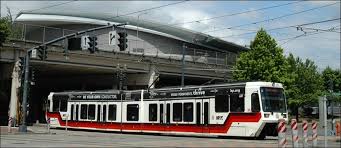
1. Portland MAX Light Rail (USA)
- Extensive network covering 96 km
- Integrated with urban development plans
- Sparked transit-oriented development along corridors
2. Manchester Metrolink (UK)
- Largest light rail network in the UK, covering 96 km
- Successfully revitalized former heavy rail lines
- Significant impact on reducing car dependency
Lessons Learned
- Integration with urban planning is crucial for success
- Phased implementation can help manage costs and public acceptance
- Flexibility in design allows adaptation to various urban contexts
Successful Heavy Rail Projects
Examples of Effective Heavy Rail Implementations
1. Singapore MRT
- Comprehensive network covering 203 km
- High ridership and efficiency
- Integrated with national urban development strategy
2. Hong Kong MTR
- Extensive system with 91 stations over 268 km
- Innovative “Rail + Property” development model
- High operational efficiency and financial sustainability
Lessons Learned
- Long-term planning and political commitment are essential
- Integration of transit and land use planning maximizes benefits
- Innovative funding models can support system development and operations
Future Trends and Innovations
Emerging Technologies in Light Rail
Autonomous Systems and Smart Infrastructure
- Development of autonomous light rail vehicles
- Implementation of smart signaling and traffic prioritization
- Integration with smart city technologies for improved operations
Advances in Materials and Design
- Use of lightweight, durable materials for vehicle construction
- Energy-efficient propulsion systems, including hydrogen fuel cells
- Innovative track designs for reduced noise and vibration
Innovations in Heavy Rail
High-Speed Rail and Maglev Technology
- Development of urban maglev systems for rapid transit
- Integration of high-speed rail with urban heavy rail networks
- Advancements in propulsion technology for increased speeds
Future Proofing and Sustainability
- Implementation of energy recovery systems
- Use of renewable energy sources for powering rail networks
- Development of modular station designs for easier upgrades
Summary of Key Differences
Light rail and heavy rail systems each have their unique strengths and applications in urban transportation:
- Light rail offers flexibility,
lower costs, and better integration with urban environments, making it suitable for medium-capacity transit needs and promoting transit-oriented development.
- Heavy rail provides high capacity, rapid transit over longer distances, and is ideal for serving dense urban areas and connecting distant suburbs to city centers.
- The choice between light rail and heavy rail depends on factors such as urban density, travel patterns, existing infrastructure, and available funding.
Final Thoughts
The decision to implement light rail or heavy rail systems is crucial in shaping the future of urban mobility and development. Civil engineers and urban planners must consider:
- Long-term urban growth projections and transportation needs
- Integration with existing transit networks and urban development plans
- Environmental impact and sustainability goals
- Cost-effectiveness and funding availability
- Potential for technological advancements and system upgrades
Ultimately, successful implementation of either light rail or heavy rail requires a holistic approach that considers not only engineering aspects but also social, economic, and environmental factors. As cities continue to grow and evolve, these rail systems will play an increasingly important role in creating sustainable, efficient, and livable urban environments.
F.A.Q Section
1. What are the main differences between light rail and heavy rail?
The main differences between light rail and heavy rail include:
- Capacity: Light rail typically carries fewer passengers per train than heavy rail.
- Infrastructure: Light rail can operate on streets and shared rights-of-way, while heavy rail requires dedicated, grade-separated tracks.
- Speed: Heavy rail generally operates at higher speeds than light rail, especially over longer distances.
- Cost: Light rail systems are usually less expensive to construct and operate than heavy rail systems.
- Flexibility: Light rail offers more flexibility in urban environments, while heavy rail excels in high-capacity, rapid transit applications.
2. Which is more cost-effective: light rail or heavy rail?
The cost-effectiveness of light rail versus heavy rail depends on various factors:
- Light rail is generally more cost-effective for medium-capacity transit needs and shorter routes.
- Heavy rail becomes more cost-effective when high passenger capacity is required over longer distances.
- Initial construction costs are typically lower for light rail, but heavy rail may offer lower per-passenger operating costs in high-ridership scenarios.
- The choice should be based on long-term ridership projections, urban density, and available funding.
3. Can light rail and heavy rail coexist in the same city?
Yes, light rail and heavy rail can coexist effectively in the same city:
- Many large cities use both systems to create a comprehensive transit network.
- Heavy rail often serves as the backbone for high-capacity, longer-distance travel.
- Light rail can complement heavy rail by providing local connections and serving areas with lower demand.
- Integrated planning ensures efficient transfers between the two systems, enhancing overall network effectiveness.
4. How do light rail systems contribute to sustainable urban development?
Light rail systems contribute to sustainable urban development in several ways:
- Reducing reliance on personal vehicles, thus decreasing traffic congestion and emissions
- Promoting transit-oriented development and higher-density urban areas
- Improving accessibility to jobs, services, and amenities for a wider population
- Encouraging walkable, mixed-use neighborhoods around stations
- Supporting urban renewal and revitalization projects
- Offering a more energy-efficient transportation option compared to cars and buses
5. What future trends might affect light rail and heavy rail systems?
Several trends are likely to impact the future of light rail and heavy rail systems:
- Automation and autonomous vehicle technology
- Integration with smart city infrastructure and real-time data systems
- Advancements in energy-efficient propulsion, including battery and hydrogen fuel cell technologies
- Improved materials and construction techniques for reduced costs and environmental impact
- Enhanced integration with other modes of transportation, including bike-sharing and autonomous shuttles
- Increased focus on resilience and adaptability in the face of climate change and evolving urban needs
These trends will likely lead to more efficient, sustainable, and user-friendly rail systems that play an increasingly important role in shaping the future of urban mobility.