Nigeria’s construction sector is one of the fastest-growing in sub-Saharan Africa — and one of the most resource-intensive. As cities expand, housing demand surges, and climate pressures mount, more builders, developers, and homeowners are asking a fundamental question: can we build better without costing the earth? The answer lies in sustainable building materials in Nigeria, a category of products that balances structural performance with reduced environmental impact.
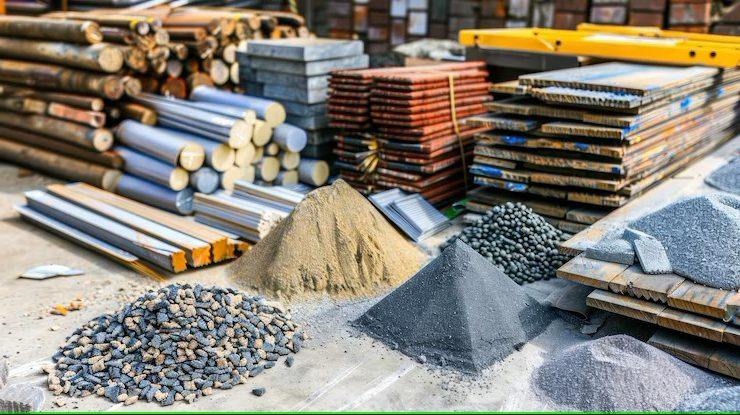
Sustainable building materials are those sourced, manufactured, and used in ways that minimise harm to ecosystems, cut energy consumption across a building’s lifetime, and can often be recycled or returned to nature at the end of their service life. They include everything from centuries-old adobe mud bricks to cutting-edge compressed earth blocks and recycled plastic bricks.
Nigeria generates an estimated 25–35 million tonnes of construction and demolition waste each year, according to data from the Federal Ministry of Environment. Meanwhile, the country faces a housing deficit of over 28 million units, cited by the World Bank, meaning construction activity will only intensify. Against this backdrop, choosing the right materials is not just an environmental gesture — it is a long-term economic and social strategy.
This guide covers the following key areas: what qualifies as a sustainable building material and why the sector is gaining traction in Nigeria; the main types of eco-friendly materials available locally; their benefits and limitations; real-world cost comparisons in Naira; where to source them across Lagos, Abuja, and Port Harcourt; and practical tips on choosing the right material for your specific project and climate zone.
What Are Sustainable Building Materials?
Definition and Key Characteristics
A sustainable building material is one that meets structural and functional requirements while meeting at least three of the following criteria:
- Eco-friendly: Its extraction, production, and use generate significantly lower pollution levels than conventional alternatives such as fired clay bricks or ordinary Portland cement.
- Renewable or recyclable: It comes from a source that regenerates within a human timeframe (timber from managed forests, bamboo) or can be reprocessed at the end of its life (recycled steel, reclaimed wood).
- Low carbon footprint: Its embodied carbon — the total greenhouse gas emissions from raw material extraction through manufacturing and transport — is markedly lower than traditional materials.
- Locally available: It reduces transport distances and supports regional economies, both of which lower costs and emissions.
- Non-toxic: It does not off-gas volatile organic compounds (VOCs) or release heavy metals into indoor environments.
Not every eco-material scores perfectly on all five points, but the best choices for Nigerian conditions tick at least three boxes. The key is finding materials that perform structurally in tropical humidity while staying within budget.
Why Sustainable Construction Is Growing in Nigeria
Three converging forces are driving interest in green building materials across Nigeria:
Rapid urbanisation: The United Nations projects that Nigeria’s urban population will reach 300 million by 2050. Cities like Lagos, Kano, and Abuja are expanding at rates that outpace infrastructure. High construction volumes mean even a small shift toward lower-impact materials produces large cumulative benefits.
Rising cost of conventional materials: The price of ordinary Portland cement (OPC) has risen sharply since 2020, moving from around ₦3,500 per 50 kg bag to over ₦8,000–₦10,000 in many markets by early 2026, driven by energy costs, foreign exchange pressures, and supply chain disruptions. Developers are actively seeking alternatives that reduce material costs without sacrificing quality.
Emerging government policies: Nigeria’s National Building Code and the Federal Ministry of Environment’s National Climate Change Policy both reference green construction standards. The Nigerian Green Building Council (NGBC) has been working since 2012 to push local adoption of rating systems modelled on international frameworks like LEED and EDGE. While enforcement remains inconsistent, the policy direction is clear.
Types of Sustainable Building Materials in Nigeria
Locally Available Natural Materials
Nigeria is endowed with a range of natural materials that have served construction for generations. When harvested responsibly, they remain among the most sustainable options available.
Bamboo: Bamboo matures in three to five years compared to 25–50 years for hardwood trees. It can be used for structural framing, wall panels, roofing, and flooring. Mechanically treated bamboo achieves tensile strength comparable to mild steel, making it relevant for lightweight structural applications. Organizations such as the Federal Institute of Industrial Research, Oshodi (FIIRO) have published guidelines on bamboo treatment for durability in tropical climates.
Timber (certified wood): Sustainably harvested timber from Forest Stewardship Council (FSC)-certified plantations in states like Cross River and Ondo performs well in roofing structures, floor joists, and wall framing. The critical qualifier is certification — uncertified logging contributes to deforestation and is not considered sustainable.
Laterite: Laterite is an iron-rich soil found extensively across Nigeria’s Middle Belt and southern zones. When properly stabilised with small proportions of cement or lime (typically 4–8%), laterite can be compacted into blocks that rival sandcrete in load-bearing capacity at a fraction of the cost and embodied carbon.
Adobe (mud bricks): Sun-dried or low-fired mud bricks have been used in northern Nigeria for centuries. Properly constructed adobe walls offer excellent thermal mass, keeping interiors cool during the day and releasing stored heat at night — a natural air-conditioning effect highly suited to the Sahel and Sudan savanna climate zones.
Recycled and Reused Materials
The recycling economy in Nigeria is growing, and several recovered materials are finding their way into formal construction.
- Recycled steel: Scrap metal yards across Lagos Island, Nnewi, and Kano feed steel re-rolling mills that produce reinforcement bars and structural sections with embodied carbon 60–70% lower than virgin steel. For standard column reinforcement, recycled rebar is structurally indistinguishable from primary steel when produced to ASTM or BS standards.
- Plastic bricks: Several Nigerian start-ups — including Nelplast Ghana (with operations crossing into southwest Nigeria) and Lagos-based EcoAfricano — produce interlocking bricks from post-consumer plastic waste. A single plastic brick can contain up to two kilograms of shredded PET bottles. These blocks are lightweight, water-resistant, and have a compressive strength adequate for single-storey non-load-bearing walls.
- Reclaimed wood: Structural timber salvaged from demolished buildings, old railway sleepers, and decommissioned scaffolding can be reprocessed into flooring boards, ceiling panels, and non-structural framing at significantly lower cost and environmental impact than new timber.
Innovative Eco-Friendly Materials
A growing number of technically advanced materials are entering the Nigerian market, primarily through pilot projects and sustainability-focused developers.
Compressed Earth Blocks (CEBs): CEBs are produced by mechanically pressing stabilised laterite or clay soil under hydraulic pressure (typically 10–30 MPa), yielding dense, dimensionally precise blocks without firing. A CINVA-Ram or motorised press can produce 300–500 blocks per day on-site. The Nigerian Building and Road Research Institute (NBRRI) has conducted compressive strength tests showing CEBs can achieve 3–7 N/mm², making them suitable for single and double-storey load-bearing walls.
Fly ash bricks: Fly ash is a by-product of coal combustion at thermal power plants. When blended with lime, gypsum, and water, it can be formed into bricks with similar or superior properties to fired clay bricks. The Kainji and Egbin power stations generate significant volumes of fly ash, though logistical challenges in collection and distribution currently limit widespread adoption.
Hempcrete: Hempcrete — a mixture of hemp hurd (the woody core of the hemp plant), lime binder, and water — is still an emerging option in Nigeria. It offers impressive thermal insulation, carbon sequestration properties, and mould resistance. While commercial-scale hemp cultivation is not yet established in Nigeria, advocacy groups and some universities are exploring its potential, and imported hemp hurds are being trialled in pilot green buildings in Abuja.
Energy-Efficient Materials
- Insulated sandwich panels (SIPs): Structural insulated panels combine OSB facing boards with a rigid polyurethane or EPS foam core. They slash heating and cooling loads in buildings by up to 40–50%, according to tests by the US Department of Energy. In hot climates like Nigeria’s, lower cooling demand translates directly into reduced electricity bills — a major advantage given persistent power supply challenges.
- Reflective (cool) roofing sheets: Aluminium-coated or white-painted metal roofing sheets reflect solar radiation rather than absorbing it, reducing roof-surface temperatures by 20–30°C and cutting indoor temperatures by 3–5°C without air conditioning. Products in this category are increasingly available from distributors in Alaba International Market, Lagos, and trade centres in Abuja’s Garki district.
The table below summarises the key characteristics of the main sustainable materials discussed above:
| Material | Approx. Cost (₦/m²) | Durability | Eco Rating | Availability |
| Bamboo (treated) | ₦1,500 – ₦4,000 | Medium–High | ⭐⭐⭐⭐⭐ | Widespread (SE & SS) |
| Certified Timber | ₦8,000 – ₦18,000 | High | ⭐⭐⭐⭐ | Lagos, Cross River, Ondo |
| Laterite Blocks (stabilised) | ₦600 – ₦1,200 | Medium–High | ⭐⭐⭐⭐⭐ | Nationwide |
| Adobe / Mud Bricks | ₦300 – ₦700 | Medium* | ⭐⭐⭐⭐⭐ | North, Middle Belt |
| Recycled Steel (rebar) | ₦950 – ₦1,400/kg | High | ⭐⭐⭐⭐ | Lagos, Kano, Nnewi |
| Plastic Bricks | ₦1,200 – ₦2,500 | Medium | ⭐⭐⭐⭐ | Lagos, Ibadan (limited) |
| Compressed Earth Blocks | ₦800 – ₦1,500 | High | ⭐⭐⭐⭐⭐ | Abuja, Kaduna (growing) |
| Fly Ash Bricks | ₦900 – ₦1,800 | High | ⭐⭐⭐⭐ | Limited; Lagos, Kainji area |
| Reflective Roofing Sheets | ₦3,500 – ₦8,000 | High | ⭐⭐⭐⭐ | Nationwide |
| SIP Panels | ₦12,000 – ₦25,000 | Very High | ⭐⭐⭐⭐ | Lagos, Abuja (import/local) |
*Adobe durability improves significantly with lime rendering or cement plaster overcoat.
Benefits of Using Sustainable Building Materials in Nigeria
Environmental Benefits
The construction sector accounts for roughly 38% of global CO₂ emissions, according to the UN Environment Programme. In Nigeria, cement production alone is one of the largest industrial sources of greenhouse gases. Replacing even 20% of a project’s cement-intensive walling with compressed earth blocks or stabilised laterite can cut embodied carbon by 15–25% per project.
Forests cover less than 10% of Nigeria’s land area today — down from over 35% a century ago. Every cubic metre of certified timber or bamboo used instead of uncertified wood sends a market signal that sustainable forestry has commercial value, directly incentivising better land management in producing communities.
Economic Benefits
The financial case for sustainable materials is strongest over a building’s full lifetime rather than at the point of purchase. A home built with stabilised laterite block walls and a reflective roof will, on average, consume 25–40% less energy for cooling compared to a standard sandcrete-and-corrugated-iron structure — a saving that compounds every month over decades.
For developers building at scale, locally produced materials like CEBs reduce foreign exchange exposure. Conventional construction relies heavily on imported cement additives, steel, and finishing products. Local eco-materials keep spending in the Nigerian economy and reduce vulnerability to exchange rate volatility.
Health and Comfort Benefits
Many conventional building finishes — synthetic paints, adhesives, PVC flooring — off-gas VOCs that degrade indoor air quality. Natural materials like unfinished timber, adobe, and lime plaster have negligible VOC emissions and actively regulate indoor humidity by absorbing and releasing moisture, a property called hygroscopicity. Studies from the NBRRI and findings from similar tropical climate research in Ghana and Kenya consistently show that occupants of earth-block or bamboo homes report lower incidences of respiratory discomfort.
Adobe and laterite walls also provide thermal mass: they absorb heat during the day and release it slowly at night, moderating interior temperatures without mechanical cooling. In northern Nigeria’s extreme dry-season heat, this effect alone can keep indoor temperatures 6–10°C below outdoor peaks.
Durability and Performance
A common misconception is that sustainable materials are less robust than conventional ones. Properly engineered compressed earth blocks meet or exceed the compressive strength requirements of standard sandcrete blocks. Treated bamboo resists termites and fungal decay and can carry structural loads for 25 years or more. Recycled steel rebar is produced to the same standards as virgin steel. The key is correct specification and quality control — the same requirement that applies to any construction material.
Challenges of Sustainable Building Materials in Nigeria
Limited Awareness
Many clients, contractors, and even some engineers in Nigeria associate sustainable materials with informal, low-income construction — a perception inherited from decades of mud-brick construction in rural areas being framed as a sign of poverty. Reframing these materials as technically advanced, professionally engineered options requires sustained education at every level of the value chain, from architecture school curricula to client briefings.
Higher Initial Costs
Some sustainable materials — SIP panels, fly ash bricks, hempcrete — carry higher purchase prices than conventional alternatives at the point of sale. This creates a barrier for cost-sensitive developers and individual self-builders who budget project by project without factoring in lifecycle operating costs. Access to green finance or soft loans tied to sustainable construction would help bridge this gap, but such products remain scarce in Nigeria’s formal banking sector.
Lack of Skilled Labour
CEBs, bamboo joinery, and lime plastering all require techniques that most site workers have not been formally trained in. The NBRRI, COREN, and some polytechnics offer short courses, but training programmes are not yet scaled to meet demand. Developers who want to build sustainably often face a choice between training their own workforce or hiring from a very thin pool of specialists, both of which add cost and time.
Supply Chain Issues
Outside major urban centres, reliable supply of processed sustainable materials can be inconsistent. A CEB press may be available in Abuja, but transport costs to a project in Gombe or Kebbi can erode the cost advantage. Building materials markets in Nigeria are also characterised by inconsistent quality: a bag labelled ‘stabilised laterite’ from one supplier may contain a very different mix from the next. Robust procurement protocols and quality testing on receipt are essential.
Cost Comparison: Sustainable vs Traditional Materials in Nigeria
Initial Cost Breakdown
The following comparison uses a standard 3-bedroom residential bungalow of approximately 120 m² floor area as a reference point, focusing on the walling and roofing elements where sustainable substitution has the most impact:
| Item | Conventional (₦) | Sustainable Alternative (₦) | Material Used |
| Walling (per m²) | ₦8,500 – ₦12,000 | ₦5,000 – ₦8,500 | CEB or stabilised laterite |
| Roofing (per m²) | ₦6,000 – ₦9,000 | ₦5,500 – ₦9,500 | Reflective long-span sheets |
| Structural framing | ₦15,000 – ₦22,000 | ₦10,000 – ₦18,000 | Treated bamboo or recycled steel |
| Insulation (per m²) | ₦0 (none typical) | ₦3,500 – ₦7,000 | SIP panels or foam board |
| Total (120 m² shell) | ₦3.5M – ₦5.2M | ₦3.2M – ₦5.5M | — |
As the table shows, sustainable options can be broadly cost-neutral at the construction phase for core materials. The insulation item appears as a new cost in the sustainable scenario, but this is offset by lower long-term energy spend.
Long-Term Savings Analysis
A Nigerian household relying on a generator for cooling a standard sandcrete home may spend ₦50,000–₦90,000 per month on fuel and electricity. A comparable home with reflective roofing, CEB walls, and SIP insulation can reduce that load by 35–45%, saving ₦18,000–₦40,000 per month — or ₦216,000–₦480,000 per year.
ROI for Homeowners and Developers
At a conservative annual saving of ₦250,000 against a premium investment of ₦500,000 for upgraded sustainable specifications, the simple payback period is approximately two years. Over a 20-year building life, the net saving in today’s money is in the range of ₦3M–₦7M, depending on energy price trajectories — a compelling case for any developer prepared to have the lifecycle conversation with their client.
Where to Source Sustainable Building Materials in Nigeria
Local Markets and Suppliers
Nigeria’s three main commercial hubs each have emerging clusters of sustainable material suppliers:
Lagos: Alaba International Market and Trade Fair Complex carry reflective roofing products and recycled steel from local re-rollers. For plastic bricks, EcoAfricano and Nelplast-affiliated distributors operate in the Ikorodu and Badagry corridors. The Lagos State Materials Testing Laboratory in Oworonsoki can test block samples before purchase.
Abuja: The Kubwa and Dei-Dei building materials markets stock CEB machines and stabilised block products from suppliers linked to NBRRI. A number of green architecture firms on Mabushi Street, Wuse 2, and Jabi also maintain supplier networks and can connect clients with verified sources.
Port Harcourt: Recycled timber and reclaimed wood is relatively accessible through timber yards in Mile 1 and Mile 3 markets. Certified FSC timber is available through specialist importers operating from GRA Phase 2.
Online Platforms and Direct Manufacturers
Platforms such as Jiji.ng, BuildNaija, and even Jumia Business list various sustainable material suppliers, though vetting quality remotely requires due diligence. Direct-to-developer manufacturers worth reaching out to include FIIRO (bamboo products and processing guidelines), the NBRRI Materials Laboratory (CEB and stabilised blocks, Abuja), and regional branches of the Association of Professional Women Engineers of Nigeria (APWEN), which maintains directories of vetted green suppliers.
Sustainable Building Companies in Nigeria
Several design-build and materials companies are actively working in the sustainable construction space, including Eco Build Africa, Green Habitat Initiative, and NigeriaBuild Sustainable Solutions. When approaching any supplier, confirm the following before purchasing: ask for laboratory test certificates (compressive strength, water absorption); request a site visit or reference project; confirm batch consistency — order a sample batch and test before committing to full supply; and verify transport and lead times, especially for site-produced materials like CEBs.
How to Choose the Right Sustainable Materials for Your Project
Climate Considerations (Nigeria’s Regions)
Nigeria spans five main climate zones: humid tropical forest (south), derived savanna (south-central), Guinea savanna (central), Sudan savanna (north-central), and Sahel (far north). Material performance varies significantly across these zones:
- South: High humidity and rainfall mean moisture resistance is paramount. Bamboo must be thoroughly treated; earth blocks need cement or lime stabilisation and weatherproof rendering; timber needs preservative treatment.
- Middle Belt: More moderate conditions allow a wider range of materials. CEB performs well here.
- North: Extreme heat and low humidity suit adobe and laterite for thermal mass. Dust storms mean airtight construction details are important.
Budget Planning Tips
Start the lifecycle cost conversation early. Present clients with a 10-year total cost of ownership model rather than line-item material prices alone. Identify two or three substitutions with the highest impact — typically the walling system and roof covering — and make those the focus of your sustainability upgrade rather than trying to green every element simultaneously. Pilot one material on a small structure (compound wall, site office, garage) before specifying it for the main building.
Structural Requirements
Always commission a structural engineer to check material specifications against the applied loads. CEBs, for example, can carry two-storey loads when properly designed but must be laid in appropriate bond patterns with adequate corner reinforcement. Bamboo sections used structurally must be sized and jointed correctly to handle both axial and lateral loads. A material that is sustainable but incorrectly specified is a liability, not an asset.
Certification & Standards to Look For
Look for materials that meet or reference the Nigerian Industrial Standards (NIS) set by the Standards Organisation of Nigeria (SON), British Standards (BS), ASTM International, or IS codes where NIS standards are absent. For timber, FSC or PEFC certification is the international benchmark. For green building performance overall, the EDGE (Excellence in Design for Greater Efficiencies) standard, operated by the IFC and available in Nigeria, is the most practically attainable certification for residential projects.
Sustainable Building Trends in Nigeria (2026 & Beyond)
Green Building Certifications
The Nigerian Green Building Council is actively expanding its EDGE-certified project register. As of late 2025, over 40 Nigerian buildings had received EDGE certification — a small number relative to total construction activity, but growing at roughly 30% year-on-year. Certification adds market value to residential and commercial properties, particularly among multinational tenants and ESG-conscious investors.
Smart & Energy-Efficient Homes
The convergence of sustainable materials with smart home technology is beginning to take hold in high-end Nigerian developments. Solar photovoltaic roofing tiles, smart metering, and passive cooling systems designed from the ground up are appearing in estate developments in Eko Atlantic (Lagos) and Karsana Estate (Abuja). As the cost of solar panels continues to fall — dropping approximately 90% in real terms between 2010 and 2024 globally — these integrated systems will become accessible to mid-range residential projects.
Government Policies & Incentives
The Federal Government’s National Housing Fund and state-level housing schemes are increasingly incorporating sustainability clauses. The Lagos State Government has proposed green-building tax incentives for certified eco-friendly developments in its 2025–2030 Urban Development Master Plan. At the federal level, the NEXIM Bank’s Sustainable Finance Programme and the CBN’s Green Bond framework offer financing structures that could be leveraged for sustainable material procurement, though awareness and uptake among small developers remains limited.
Case Studies of Sustainable Buildings in Nigeria
Residential Projects
The Eco-Homes cluster in Gwagwalada, Abuja, constructed in 2022–2023, used CEB walling, bamboo ceiling panels, and solar-reflective roofing across 24 low-income housing units. Post-occupancy surveys conducted by the Federal University of Technology, Minna (FUT Minna) found average indoor temperatures 5.8°C lower than in comparable sandcrete units in the same estate, with reported electricity expenditure 38% lower per household. Construction cost per unit was ₦2.1M against a sandcrete baseline of ₦2.4M — demonstrating that eco-construction can be both cheaper and more comfortable.
Commercial Green Buildings
The Sterling Bank Headquarters annex in Lagos, completed in 2021, incorporated passive design strategies including reclaimed timber cladding, low-VOC interiors, and a double-skin ventilated façade that reduces cooling loads. The project received an EDGE Advanced certification and reportedly cuts energy consumption by 52% relative to a conventional office building of the same size. It has since become a reference point for Nigerian commercial developers exploring green specifications.
Lessons Learned
Across both project types, three lessons emerge consistently. First, early-stage design integration of sustainability is critical — attempting to retrofit eco-specifications onto a conventionally designed structure wastes money and delivers poor results. Second, contractor education matters as much as material selection: in the Gwagwalada project, the project team ran a two-week CEB training programme for site workers before laying a single block. Third, post-occupancy monitoring builds the evidence base that drives wider adoption; developers who collect and publish real performance data accelerate sector change.
Expert Tips for Building Sustainably in Nigeria
“The biggest mistake clients make is treating sustainability as a line item to cut when the budget gets tight. The materials that reduce your energy bill and improve your indoor climate are exactly the ones that earn their cost back fastest.” — Arch. Emeka Okonkwo, ARCON Fellow, Lagos, 2025
“Do not import what you can produce locally. Compressed earth blocks made from your own site soil with 6% cement stabilisation cost almost nothing to produce compared to sandcrete, and they perform better thermally in tropical conditions.” — Engr. Fatima Al-Hassan, COREN-registered structural engineer, Abuja
Practical dos and don’ts for sustainable building in Nigeria:
- DO engage a structural or civil engineer who has prior experience with your chosen sustainable material before finalising the design.
- DO request test certificates for every batch of blocks or structural material — especially for CEBs and laterite blocks, where quality can vary between batches.
- DO build a small test structure (boundary wall, BQ store) with your chosen material before committing to the main building.
- DON’T use mud bricks in high-humidity coastal areas without a protective lime or cement render on all exposed faces.
- DON’T source bamboo from an untreated or uncertified supply — untreated bamboo can fail within three to five years in tropical moisture conditions.
- DON’T ignore fire codes: some lightweight insulated panels require additional fire-rated cladding layers to meet the National Building Code.
FAQs About Sustainable Building Materials in Nigeria
Are sustainable materials cheaper in Nigeria long-term?
In most cases, yes. While some sustainable materials carry a higher purchase price, the combination of lower energy consumption, reduced maintenance, and longer service lives typically delivers a positive financial return within two to five years. Stabilised laterite blocks, for example, are cheaper than sandcrete blocks at the point of purchase and also deliver energy savings — making them immediately cost-competitive.
Which eco-friendly material is best for hot climates in Nigeria?
For the hot, dry north, stabilised adobe and compressed earth blocks with thermal mass properties are the top recommendation. For the humid south, treated bamboo in combination with reflective roofing and good natural ventilation design performs best. In all cases, building orientation — positioning the main living spaces to catch prevailing breezes and minimise east and west solar exposure — is as important as material choice.
Can bamboo replace steel in construction?
Bamboo cannot directly replace structural steel in reinforced concrete (RC) applications such as column and beam reinforcement, as it does not bond adequately to concrete and lacks the uniform section sizes needed for structural calculations. However, mechanically laminated bamboo (glulam bamboo) is an emerging structural product that can substitute for timber and light steel in roofing trusses, mezzanine floors, and lightweight frames. Research is ongoing, and the NIS is reviewing standards for structural bamboo.
Where can I buy compressed earth blocks in Lagos?
CEB supply in Lagos is more limited than in Abuja. Start by contacting the NBRRI Lagos outpost, the Lagos State Materials Testing Laboratory in Oworonsoki, or eco-construction firms listed on the Nigerian Green Building Council’s website (ngbc.ng). Some suppliers in the Ikorodu and Badagry corridors also produce stabilised laterite blocks, which are closely related. For large projects, hiring or purchasing a CEB press and producing blocks on-site from locally sourced soil is often more practical than transporting pre-made blocks.
Do sustainable homes require special permits in Nigeria?
Standard building permits apply to all construction regardless of material type. There are no additional federal-level permits required for sustainable materials at present. However, some states — including Lagos and Abuja’s FCT — are developing green building bylaws that may introduce fast-track permit approvals or reduced development charges for certified eco-builds. Check with your local government area (LGA) Planning Authority for current status. If pursuing EDGE or LEED certification, the certification body coordinates with planning authorities on your behalf.
Nigeria’s construction sector stands at a turning point. The combination of a massive housing deficit, rising material costs, climate pressures, and a growing pool of informed clients means the business case for sustainable building materials has never been stronger. The materials exist, the technical knowledge is available, and the cost arguments hold up under scrutiny.
Whether you are designing a three-bedroom self-build in Enugu, a block of flats in Lagos, or an office complex in Abuja, there is a realistic sustainable specification available for your budget and climate zone. The most important step is to make material sustainability part of the design brief from day one — not an afterthought.
Start small if you need to: replace sandcrete with CEBs for your boundary wall, specify reflective roofing on your next extension, source recycled steel for your next column cage. Each choice builds knowledge, supplier relationships, and evidence that influences the next project and the one after that.
For guidance on structural design standards and code-compliant specifications for eco-friendly construction, visit StructoTag.com.ng for further technical articles on walling systems, structural analysis, and Nigerian construction best practices.
Meta Information (for publishing)
SEO Title: Sustainable Building Materials in Nigeria: Types, Benefits & Where to Buy (2026 Guide)
Meta Description: Discover sustainable building materials in Nigeria, their benefits, costs, and where to source them locally. Learn eco-friendly construction options today.
Primary Keyword: Sustainable Building Materials in Nigeria
Secondary Keywords: Eco-friendly construction Nigeria | Green building materials Nigeria | Affordable sustainable materials Nigeria | Where to buy eco building materials Nigeria