
Load bearing walls are the backbone of any sturdy and reliable construction project. These structural elements play a crucial role in supporting the weight of the building, transferring loads from the upper floors and the roof to the foundation below. Understanding the construction process of a load bearing wall is essential for builders, contractors, and homeowners alike, as it ensures the safety, stability, and longevity of the structure.
In this comprehensive guide, we will delve into the intricacies of constructing a load bearing wall, from planning and preparation to the final stages of completion. We will explore the different types of load bearing walls, the materials and tools required, and the step-by-step process that must be followed to ensure a successful build. Additionally, we will address common mistakes to avoid, safety considerations, and expert tips that can help streamline the construction process.
What is a Load Bearing Wall?
A load bearing wall is a structural element designed to support the weight of the building, including the floors, roof, and any additional loads imposed on the structure. These walls transfer the loads vertically to the foundation, ultimately distributing the weight to the ground below. Load bearing walls are an integral part of the building’s structural system, providing the necessary strength and stability to ensure the integrity of the entire structure.
Types of Load Bearing Walls
Load bearing walls can be constructed using various materials, each with its own unique characteristics and advantages. The most common types include:
Brick Load Bearing Walls
Brick load bearing walls are a traditional and popular choice, known for their durability and aesthetic appeal. These walls are constructed by laying bricks in a specific pattern, using mortar to bind them together. Brick load bearing walls offer excellent compressive strength and fire resistance.
Concrete Load Bearing Walls
Concrete load bearing walls are formed by pouring concrete into formwork and allowing it to cure. These walls can be reinforced with steel bars for added strength and stability. Concrete load bearing walls are known for their durability, fire resistance, and ability to withstand high loads.
Stone Load Bearing Walls
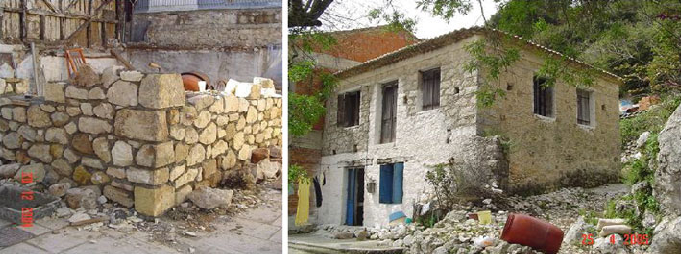
Stone load bearing walls are a historic and beautiful option, often used in traditional or rustic constructions. These walls are built by carefully stacking and laying stones, using mortar or dry-stacking techniques. Stone load bearing walls offer exceptional strength and longevity, but can be more labor-intensive to construct.
Composite Load Bearing Walls
Composite load bearing walls are a modern solution that combines different materials, such as concrete and steel, or timber and concrete. These walls leverage the strengths of each material to create a strong and efficient structural system. Composite load bearing walls can offer improved thermal and acoustic insulation, as well as enhanced fire resistance.
Planning and Preparation
Before embarking on the construction of a load bearing wall, careful planning and preparation are essential to ensure a successful project.
Site Assessment and Analysis
The first step in the planning process is to conduct a thorough site assessment and analysis. This includes evaluating the soil conditions, existing structures, and any potential environmental or regulatory factors that may impact the construction process. Understanding the site’s characteristics will help determine the appropriate foundation type and structural requirements for the load bearing wall.
Design and Structural Considerations
Once the site assessment is complete, the next step is to design the load bearing wall. This involves determining the wall’s dimensions, load-bearing capacity, and structural specifications based on the building’s intended use and local building codes. Consulting with a structural engineer or architect is highly recommended to ensure the wall is designed to meet the necessary safety and performance standards.
Obtaining Permits and Approvals
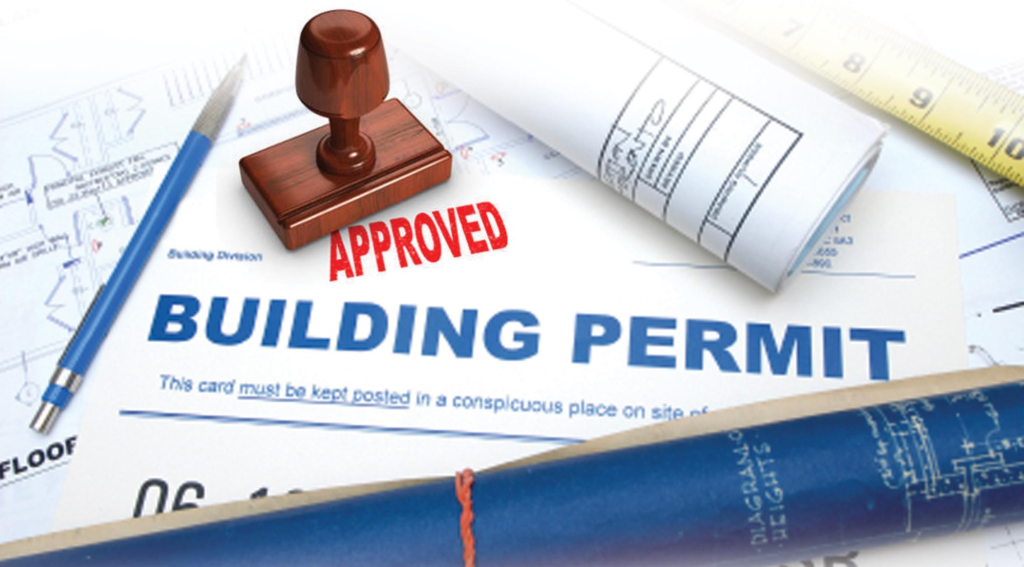
Before commencing construction, it is crucial to obtain the required permits and approvals from the local authorities. This process may involve submitting detailed plans, calculations, and specifications for review and approval. Failure to secure the necessary permits can result in costly fines and delays, or even the potential demolition of the structure if it does not meet building code requirements.
Materials and Tools Needed
The construction of a load bearing wall requires a variety of materials and tools to ensure a successful and efficient build.
Common Materials
Bricks/Blocks
Bricks or concrete blocks are the primary building materials used for load bearing walls. Various types of bricks or blocks are available, including clay bricks, concrete masonry units (CMUs), and lightweight or insulated blocks. The choice of material will depend on factors such as load-bearing capacity, insulation requirements, and aesthetic preferences.
Cement and Mortar
Cement and mortar are essential components used to bind the bricks or blocks together. Mortar is a mixture of cement, sand, and water, and it serves as the adhesive that holds the masonry units in place. Ensuring the correct mortar mix and proper application is crucial for the strength and durability of the load bearing wall.
Steel Reinforcement
Steel reinforcement, in the form of rebar or mesh, is often used to reinforce load bearing walls, particularly in areas where additional strength and stability are required, such as around openings or at intersections with other walls. Proper placement and installation of steel reinforcement is essential for enhancing the wall’s load-bearing capacity and resistance to lateral forces.
Essential Tools
To construct a load bearing wall efficiently and accurately, various tools are needed. Some essential tools include:
Trowels
Trowels are handheld tools used for spreading and shaping mortar during the bricklaying process. Different types of trowels, such as pointing trowels and brick trowels, are used for specific tasks.
Levels
Levels, both spirit levels and laser levels, are indispensable tools for ensuring the proper alignment and levelness of the load bearing wall during construction.
Hammers
Masonry hammers and brick hammers are used for cutting, shaping, and adjusting bricks or blocks as needed.
Measuring Tape
Measuring tapes are essential for accurately measuring and laying out the dimensions of the load bearing wall.
Step-by-Step Construction Process
The construction of a load bearing wall involves a series of steps that must be followed meticulously to ensure the wall’s structural integrity and long-term performance.
Step 1: Foundation Preparation
Importance of a Strong Foundation
A strong and stable foundation is crucial for supporting the weight of the load bearing wall and the entire structure. The foundation must be designed and constructed to withstand the anticipated loads and soil conditions, as well as any potential environmental factors such as seismic activity or frost heave.
Types of Foundations for Load Bearing Walls
The type of foundation used for a load bearing wall will depend on various factors, including soil conditions, building codes, and the intended use of the structure. Common foundation types include:
- Strip Footings: Continuous concrete footings that provide a stable base for the load bearing wall.
- Reinforced Concrete Slab: A reinforced concrete slab poured on a properly prepared and compacted soil base.
- Pile Foundations: Deep foundation systems using driven or cast-in-place piles, often used in areas with poor soil conditions or high-load requirements.
Step 2: Laying the First Course of Blocks/Bricks
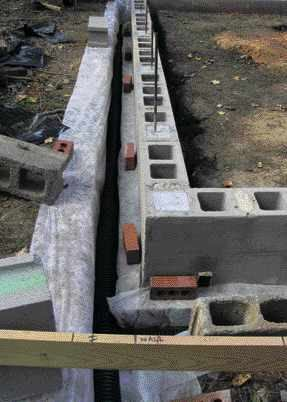
Once the foundation is in place, the construction of the load bearing wall can begin. The first step is to lay the first course of blocks or bricks, ensuring proper alignment and levelness.
Techniques for Ensuring Alignment and Leveling
To ensure the first course is level and aligned correctly, several techniques can be employed:
- Chalk Lines: Chalk lines can be snapped on the foundation to mark the wall’s layout and ensure straight lines.
- Laser Levels: Laser levels are highly accurate tools that project a level reference line, making it easier to maintain consistent levels across the wall.
- Level Strings: Taut strings tied between batter boards or guides can be used as a visual reference for maintaining level courses.
Step 3: Building Up the Wall
After the first course is laid, the wall can be built up by adding subsequent courses of blocks or bricks.
Layering Techniques
Proper layering techniques are essential for ensuring the wall’s strength and stability. Bricklayers and masons employ various techniques, such as:
- Running Bond: A pattern where each brick or block is offset from the one below by half its length, creating a staggered pattern that adds strength and stability.
- Stacked Bond: A pattern where each brick or block is stacked directly on top of the one below, often used for decorative or non-structural walls.
- Raking Joints: Angled mortar joints between courses, which help distribute loads and provide a secure bond.
Ensuring Vertical and Horizontal Stability
As the wall is built up, it is crucial to maintain both vertical and horizontal stability. This is achieved through:
- Plumb Lines: Plumb lines or plumb bobs are used to ensure the wall is perfectly vertical and plumb as each course is laid.
- Level Courses: By frequently checking with levels and adjusting as needed, each course must be level to prevent any misalignment or structural issues.
- Bracing: Temporary bracing or shoring may be required to support the wall during construction, particularly for taller walls or those subjected to lateral forces.
Step 4: Reinforcement and Bonding
Reinforcement and proper bonding techniques are essential for enhancing the load bearing wall’s strength, stability, and resistance to lateral forces.
Using Steel Reinforcement Bars
Steel reinforcement bars, commonly known as rebar, are often embedded within the mortar joints or grouted into the hollow cores of concrete masonry units (CMUs). The placement and sizing of the rebar must adhere to structural engineering specifications and local building codes.
Proper Bonding Techniques for Stability
Bonding refers to the interlocking of masonry units through various patterns and techniques, such as:
- Header Courses: Courses of bricks or blocks laid perpendicular to the wall face, creating a bond that ties the wythes (layers) together.
- Collar Joints: Vertical joints filled with mortar, providing a continuous bond between courses and improving lateral stability.
- Grouting: For hollow CMU walls, grouting the cores with concrete or grout further enhances bonding and load-bearing capacity.
Step 5: Installing Headers and Lintels
Headers and lintels are critical components that support the loads above openings, such as windows and doors, in a load bearing wall.
Importance and Placement
Proper installation of headers and lintels is essential to ensure the loads above openings are adequately transferred to the wall sections on either side. These components must be sized and placed according to structural calculations and engineering specifications.
Materials and Methods
Headers and lintels can be constructed using various materials, including:
- Steel Lintels: Steel angles or beams are commonly used as lintels for their strength and load-bearing capacity.
- Reinforced Concrete Lintels: Concrete lintels reinforced with steel rebar can span larger openings and carry heavier loads.
- Masonry Arches: Traditional masonry arches, often seen in older structures, are constructed using specially shaped bricks or stones to distribute loads over openings.
Step 6: Finishing the Wall
Once the load bearing wall is constructed, the final step is to finish and inspect the wall for any defects or issues.
Smoothing and Finishing Techniques
The wall surface can be finished using various techniques, such as:
- Tuckpointing: Removing excess mortar from the joints and re-pointing with fresh mortar for a neat, uniform appearance.
- Tooling: Compressing and shaping the mortar joints with specialized jointing tools for a desired texture or profile.
- Rendering: Applying a smooth render or plaster coating over the wall surface for a refined finish.
Inspection and Quality Checks
Before considering the load bearing wall complete, it is essential to conduct a thorough inspection and perform quality checks. This may involve:
- Visual Inspection: Carefully examining the wall for any cracks, misalignments, or defects in the masonry or mortar work.
- Load Testing: In some cases, load testing may be required to verify the wall’s structural capacity and performance under specified loads.
- Building Code Compliance: Ensuring the completed wall meets all relevant building code requirements and standards.
Common Mistakes to Avoid
While constructing a load bearing wall, it is important to be aware of common mistakes that can compromise the wall’s structural integrity and performance. Some mistakes to avoid include:
Misalignment Issues
Failure to maintain proper alignment and levelness during construction can lead to severe structural problems. Misaligned walls may not distribute loads evenly, potentially causing cracks, bulges, or even wall failure.
Insufficient Reinforcement
Inadequate reinforcement or improper placement of steel rebar can weaken the wall’s ability to resist lateral forces, such as wind or seismic activity. Always follow structural engineering specifications for reinforcement requirements.
Poor Mortar Quality
Using improper mortar mixes or failing to allow sufficient curing time can result in weak and crumbly mortar joints, reducing the wall’s overall strength and durability.
Inadequate Curing Time
Rushing the construction process and not allowing sufficient curing time for the mortar and concrete can lead to premature drying and reduced strength. Proper curing is essential for achieving the desired compressive strength and durability of the wall.
Safety Considerations
Construction sites can be hazardous environments, and proper safety measures must be taken to protect workers and ensure a safe working environment during the construction of a load bearing wall.
Personal Protective Equipment (PPE)
All workers involved in the construction process should wear appropriate personal protective equipment (PPE), such as hard hats, safety glasses, gloves, and steel-toed boots. This helps prevent injuries from falling objects, flying debris, or other construction-related hazards.
Safe Handling of Materials
Bricks, blocks, and other masonry materials can be heavy and awkward to handle. Proper lifting techniques and the use of mechanical aids, such as hoists or forklifts, should be employed to minimize the risk of musculoskeletal injuries.
Site Safety Protocols
Adhering to site safety protocols is crucial for maintaining a safe work environment. This may include implementing traffic control measures, setting up barriers and warning signs, and following established procedures for working at heights or in confined spaces.
Expert Tips for a Successful Build
To ensure a successful and efficient construction process for a load bearing wall, it is helpful to seek advice and guidance from experienced builders and industry experts. Here are some valuable tips:
Tips from Experienced Builders
- “Always use the appropriate mortar mix and follow the manufacturer’s recommendations for mixing and curing times. This will ensure the mortar achieves its full strength and durability.” – John, Master Mason
- “Don’t skimp on reinforcement. Proper placement and sizing of steel rebar is essential for ensuring the wall can withstand lateral forces and meet structural requirements.” – Sarah, Structural Engineer
- “Pay close attention to alignment and levelness from the very first course. Small deviations can compound and lead to significant issues as the wall is built up.” – Mike, Bricklayer
Common Challenges and Solutions
- Challenge: Maintaining alignment and plumb over tall wall sections. Solution: Use bracing or temporary shoring to support the wall during construction, and frequently check alignment with plumb lines or laser levels.
- Challenge: Ensuring proper bonding between wythes (layers) of masonry. Solution: Incorporate header courses at regular intervals and fill collar joints with mortar to create a continuous bond throughout the wall.
- Challenge: Dealing with obstructions or irregularities in the foundation or existing structure. Solution: Carefully plan the wall layout and consider using adjustable or angled masonry units to accommodate any irregularities or obstructions.
Maintenance and Inspection Tips
Regular maintenance and inspections are essential for ensuring the long-term performance and structural integrity of a load bearing wall:
- Conduct annual visual inspections to check for any cracks, spalling, or other signs of deterioration.
- Repair any cracks or damage promptly to prevent further issues.
- Ensure proper water drainage and moisture control around the wall’s foundation to prevent water damage or settlement issues.
- If significant structural concerns are identified, consult with a professional engineer for an in-depth evaluation and recommendations.
FAQs
Here are answers to some frequently asked questions about load bearing walls:
What is the difference between a load bearing wall and a non-load bearing wall?
A load bearing wall is a structural element designed to support the weight of the building, transferring loads from above to the foundation below. Non-load bearing walls, also known as partition walls, are primarily used for dividing spaces and do not carry any significant structural loads.
How do I know if a wall is load bearing?
There are a few indicators that a wall is load bearing:
- It runs perpendicular to the floor joists or trusses above.
- It extends from the foundation to the roof structure.
- It is thicker or more substantial than typical partition walls.
- There are visible support beams or columns resting on the wall.
If you are unsure, it is best to consult with a professional or refer to the building plans.
Can I convert a non-load bearing wall into a load bearing wall?
It is generally not recommended to convert a non-load bearing wall into a load bearing wall without proper structural reinforcement and engineering assessments. Non-load bearing walls are typically not designed to support significant loads, and attempting to turn them into load bearing elements can compromise the structural integrity of the building. If you need to create a new load bearing wall, it is advisable to construct it from the ground up, following the proper design and construction guidelines.
What is the cost of constructing a load bearing wall?
The cost of constructing a load bearing wall can vary significantly depending on several factors, such as the size of the wall, the materials used, the complexity of the design, and the labor costs in your area. On average, the cost can range from $10 to $25 per square foot for a basic brick or concrete masonry unit (CMU) load bearing wall. However, more complex or specialized walls involving reinforcement, waterproofing, or custom finishes can cost significantly more.
How long does it take to construct a load bearing wall?
The time required to construct a load bearing wall depends on the size of the wall, the complexity of the design, the availability of materials and labor, and any potential delays or challenges encountered during the construction process. As a general estimate, a skilled crew can typically construct a standard-sized load bearing wall (up to 20 feet in length) in 2-3 days, assuming all materials and resources are readily available. Larger or more complex walls may take a week or more to complete.
The construction of a load bearing wall is a critical aspect of any building project, requiring careful planning, precise execution, and adherence to safety protocols. By following the step-by-step process outlined in this guide, builders and contractors can ensure the successful construction of a load bearing wall that meets all structural requirements and building codes.
Throughout the process, attention to detail is paramount, from the initial site assessment and foundation preparation to the final finishing and inspection stages. Utilizing the right materials, employing proper techniques, and seeking guidance from industry experts can help mitigate common mistakes and overcome challenges that may arise.
It is important to remember that load bearing walls are the backbone of a structure, and their proper construction is essential for the safety and longevity of the building. While the process may seem daunting, following professional guidelines, obtaining necessary permits, and prioritizing safety measures can lead to a successful and rewarding build.
By staying vigilant, embracing best practices, and continuously learning from experienced professionals, builders and contractors can confidently tackle the construction of load bearing walls, ensuring the integrity and stability of their projects for years to come.