
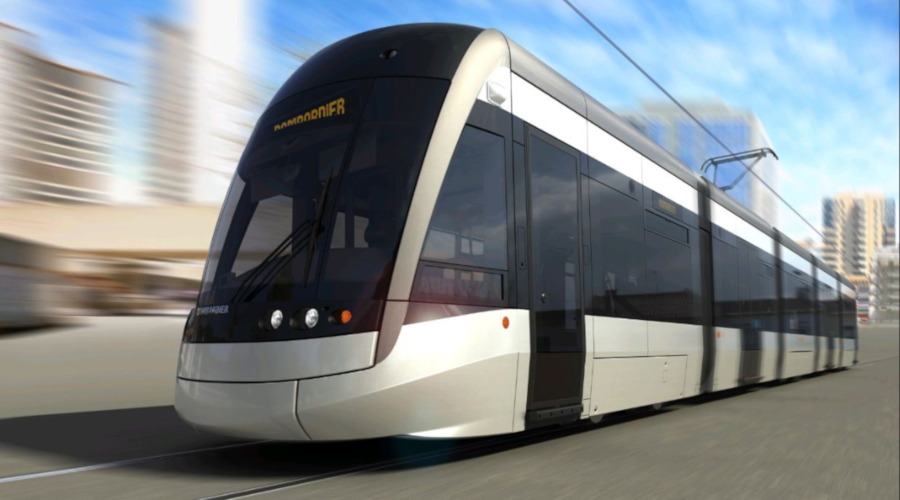
Light rail design refers to the comprehensive process of planning, engineering, and implementing urban rail transit systems that operate on dedicated rights-of-way, either at street level, on elevated structures, or in tunnels. These systems are characterized by their flexibility, capacity to integrate with existing urban infrastructure, and ability to provide efficient public transportation in densely populated areas.
Light rail systems typically use electrically powered vehicles that can operate as single units or in short trains. They are designed to be more agile and less intrusive than heavy rail systems, making them ideal for urban environments where space is at a premium and integration with the cityscape is crucial.
Importance of Safety in Light Rail Projects
Safety is paramount in light rail design and operations. As these systems often operate in close proximity to pedestrians, cyclists, and other vehicles, ensuring the highest standards of safety is critical to protect both passengers and the general public. Moreover, the complex interplay of various components – from rolling stock to signaling systems – demands a holistic approach to safety that considers all aspects of the light rail ecosystem.
Effective safety measures not only prevent accidents and save lives but also contribute to the overall efficiency and reliability of the system. A safe light rail network instills public confidence, encourages ridership, and plays a crucial role in sustainable urban development.
Purpose of This Guide
This comprehensive guide aims to provide a thorough overview of the critical safety considerations in light rail design. It is intended for a diverse audience including urban planners, engineers, policymakers, and anyone involved in the development or management of light rail projects.
Throughout this guide, we will explore various aspects of light rail safety, from regulatory standards and structural considerations to human factors and emerging technologies. By the end, readers will have a solid understanding of:
- The regulatory landscape governing light rail safety
- Key structural and vehicle safety features
- Station and platform safety measures
- Signal and communication system requirements
- Environmental and operational safety considerations
- The role of human factors in ensuring safety
- Cybersecurity challenges and solutions
- Risk management strategies
- Future trends shaping light rail safety
By providing this comprehensive overview, we aim to contribute to the development of safer, more efficient light rail systems that can play a vital role in the sustainable transportation networks of the future.
Regulatory Standards and Compliance
Global and Regional Safety Standards
Light rail systems are subject to a complex web of global and regional safety standards that ensure consistency, reliability, and safety across different jurisdictions. These standards cover various aspects of light rail design, construction, and operation, providing a framework for best practices and minimum safety requirements.
Some of the key global and regional standards include:
- International Electrotechnical Commission (IEC) 62267: This standard specifies safety requirements for automated urban guided transport (AUGT) systems.
- CENELEC Standards: The European Committee for Electrotechnical Standardization provides several standards relevant to light rail safety, such as EN 50126 (RAMS – Reliability, Availability, Maintainability, and Safety), EN 50128 (Software for railway control and protection systems), and EN 50129 (Safety-related electronic systems for signaling).
- APTA Standards: The American Public Transportation Association develops standards and recommended practices for various aspects of public transit, including light rail systems.
- National Standards: Many countries have their own set of standards, such as the UK’s Railway Group Standards or Germany’s BOStrab (Verordnung über den Bau und Betrieb der Straßenbahnen).
Adherence to these standards is crucial for ensuring interoperability, safety, and quality across different light rail projects and jurisdictions.
Compliance with ISO and EN Standards
International Organization for Standardization (ISO) and European Norm (EN) standards play a significant role in light rail safety. These standards cover a wide range of aspects, from quality management to specific technical requirements.
Key ISO and EN standards relevant to light rail safety include:
- ISO 9001: This standard for quality management systems is crucial for ensuring consistent quality and safety in light rail design and operations.
- ISO 14001: Environmental management system standard, important for addressing environmental safety concerns in light rail projects.
- EN 45545: This standard sets requirements for fire protection on railway vehicles.
- EN 50155: Specifies electronic equipment used on rolling stock for railway applications.
Compliance with these standards often involves rigorous testing, documentation, and third-party certification. Light rail projects must demonstrate adherence to these standards throughout the design, construction, and operational phases.
Role of Government and Transport Authorities
Government agencies and transport authorities play a crucial role in ensuring the safety of light rail systems. Their responsibilities typically include:
- Regulatory Oversight: Developing and enforcing safety regulations specific to light rail systems.
- Safety Certification: Reviewing and approving safety plans, conducting inspections, and issuing safety certificates.
- Accident Investigation: Investigating incidents and accidents to identify causes and recommend improvements.
- Standard Setting: Establishing national or regional standards that complement international standards.
- Public Education: Promoting safety awareness among passengers and the general public.
For example, in the United States, the Federal Transit Administration (FTA) oversees the safety of light rail systems, while in the UK, the Office of Rail and Road (ORR) performs this function. These authorities work closely with light rail operators, manufacturers, and other stakeholders to maintain high safety standards.
It’s important to note that while these authorities provide oversight, the primary responsibility for safety often lies with the light rail operators themselves. Operators must develop and implement comprehensive safety management systems that comply with all relevant standards and regulations.
In conclusion, the regulatory landscape for light rail safety is complex and multifaceted, involving a range of global, regional, and national standards and authorities. Navigating this landscape requires expertise and diligence, but it’s essential for ensuring the safety and reliability of light rail systems. As we move forward in this guide, we’ll explore how these regulatory requirements translate into specific safety considerations across various aspects of light rail design and operation.
Structural Safety Considerations
Track Alignment and Geometry
The safety of a light rail system begins with its foundation: the track. Proper track alignment and geometry are crucial for ensuring safe and comfortable operations. Key considerations include:
- Horizontal and Vertical Alignment: Tracks must be designed with appropriate curves and gradients to accommodate the operating speeds of light rail vehicles. Excessively sharp curves or steep gradients can increase the risk of derailment or loss of control.
- Superelevation: In curved sections, the outer rail is typically elevated to counteract centrifugal forces. Proper superelevation is crucial for maintaining stability and passenger comfort.
- Transition Curves: These are used to provide a smooth transition between straight and curved sections, reducing sudden lateral forces on vehicles.
- Clearances: Adequate clearances must be maintained between the tracks and any adjacent structures or obstacles to prevent collisions.
- Track Gauge: Consistent and accurate track gauge is essential for preventing derailments and ensuring smooth operation.
Engineers use sophisticated computer-aided design tools to optimize track geometry, ensuring it meets safety standards while also considering factors like passenger comfort and energy efficiency.
Bridges, Tunnels, and Elevated Structures
Light rail systems often incorporate bridges, tunnels, and elevated structures to navigate urban environments efficiently. These structures present unique safety challenges:
- Structural Integrity: Bridges and elevated structures must be designed to support the weight of fully loaded light rail vehicles, as well as additional forces from acceleration, braking, and environmental factors like wind and seismic activity.
- Fire Safety in Tunnels: Tunnels require specialized fire detection and suppression systems, as well as emergency ventilation and evacuation routes.
- Drainage: Proper drainage systems are crucial, especially in tunnels and depressed sections, to prevent flooding that could compromise safety.
- Expansion Joints: These are necessary to accommodate thermal expansion and contraction in bridges and elevated structures, ensuring structural integrity over time.
- Noise and Vibration Control: Especially important for elevated structures in urban areas, to minimize disturbance to nearby residents and businesses.
- Maintenance Access: Safe and easy access for maintenance crews is essential to ensure ongoing structural integrity and system reliability.
Regular inspections and structural health monitoring systems are typically employed to detect any potential issues before they become safety hazards.
Material Selection and Durability
The choice of materials used in light rail infrastructure significantly impacts long-term safety and performance. Key considerations include:
- Track Materials: High-quality steel rails are essential for durability and safety. Concrete or wooden sleepers (ties) must be selected based on environmental conditions and expected loads.
- Corrosion Resistance: Materials used in outdoor environments must resist corrosion to maintain structural integrity over time. This is particularly important in coastal areas or regions with harsh winters where de-icing salts are used.
- Fire Resistance: Materials used in vehicles, stations, and tunnels must meet strict fire safety standards to prevent rapid fire spread and toxic smoke generation.
- Wear Resistance: Components subject to frequent wear, such as rails and wheels, must be made of materials that can withstand prolonged use without compromising safety.
- Environmental Compatibility: Materials should be selected with consideration for their environmental impact, both in terms of production and end-of-life disposal or recycling.
- Climate Resilience: With increasing concerns about climate change, materials must be chosen to withstand extreme weather conditions, from intense heat to severe cold and flooding.
Advanced materials and composites are increasingly being used in light rail construction to enhance durability, reduce weight, and improve safety. For example, fiber-reinforced polymers (FRPs) are being explored for use in bridge decks and other structural components due to their high strength-to-weight ratio and corrosion resistance.
The selection of materials must balance initial costs with long-term performance and safety considerations. While higher-quality materials may increase upfront costs, they often result in lower maintenance requirements and longer service life, ultimately contributing to a safer and more reliable light rail system.
Vehicle Safety Features
Crashworthiness of Light Rail Vehicles
Crashworthiness is a critical aspect of light rail vehicle (LRV) design, aimed at protecting passengers and crew in the event of a collision. Key features and considerations include:
- Energy Absorption Zones: Modern LRVs are designed with crumple zones at the front and rear to absorb impact energy in a controlled manner, reducing the force transmitted to the passenger compartment.
- Structural Integrity: The main body of the vehicle, often referred to as the carbody, is designed to maintain its shape and protect occupants during a collision. This typically involves a strong, rigid frame combined with strategic use of energy-absorbing materials.
- Anti-Climbing Features: These prevent one vehicle from overriding another in a collision, which could lead to catastrophic damage.
- Couplers: Designed to withstand both compressive and tensile forces during normal operation and to behave in a predictable manner during collisions.
- Interior Design: Seats, handrails, and other interior fittings are designed and positioned to minimize passenger injuries during sudden stops or collisions.
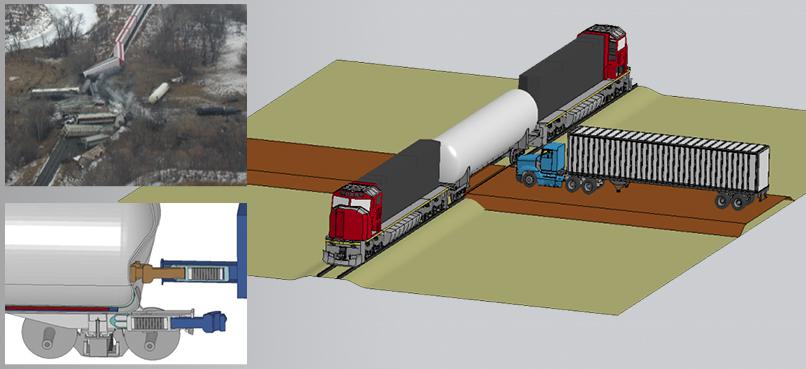
Crashworthiness standards for LRVs, such as EN 15227 in Europe, specify performance requirements for various collision scenarios, including front-end impacts and side impacts.
Fire Safety and Material Flammability
Fire safety is a paramount concern in LRV design, given the potential for rapid fire spread in a confined space. Key aspects include:
- Material Selection: Interior materials must meet strict flammability, smoke emission, and toxicity standards. This includes seats, floor coverings, wall panels, and electrical insulation.
- Fire Barriers: The vehicle design incorporates fire barriers to slow the spread of fire between different compartments.
- Detection Systems: Advanced smoke and heat detection systems are installed to provide early warning of fire.
- Suppression Systems: Some LRVs are equipped with automatic fire suppression systems, particularly in high-risk areas like the engine compartment.
- Ventilation: The vehicle’s ventilation system is designed to help control smoke movement in the event of a fire.
Standards such as EN 45545 provide detailed requirements for fire protection on railway vehicles, covering aspects from material selection to overall system performance.
Emergency Evacuation Systems
Efficient evacuation systems are crucial for passenger safety in emergency situations. Key features include:
- Emergency Doors: LRVs are equipped with clearly marked emergency exits, often with power-assisted opening mechanisms.
- Emergency Lighting: Battery-powered emergency lighting systems guide passengers to exits in case of power failure.
- Communication Systems: Intercom systems allow communication between the driver and passengers, and external speakers can be used to guide evacuation in tunnels or elevated sections.
- Emergency Equipment: Vehicles are equipped with fire extinguishers, first aid kits, and emergency hammers for breaking glass in extreme situations.
- Evacuation Pathways: The interior layout is designed to provide clear pathways to emergency exits, considering accessibility for passengers with reduced mobility.
Regular evacuation drills and staff training are essential to ensure these systems function effectively in real emergencies.
Advanced Driver Assistance Systems (ADAS)
While many light rail systems operate with varying degrees of automation, driver-operated vehicles benefit from Advanced Driver Assistance Systems (ADAS) to enhance safety. These systems include:
- Collision Avoidance Systems: Use sensors and cameras to detect obstacles on the track and alert the driver or automatically apply brakes.
- Speed Control: Ensure the vehicle doesn’t exceed speed limits, especially in curves or restricted areas.
- Signal Recognition: Assist drivers in recognizing and adhering to trackside signals.
- Driver Vigilance Systems: Monitor driver alertness and can automatically stop the vehicle if the driver becomes unresponsive.
- Passenger Detection: Sensors to ensure doors are not closed while passengers are entering or exiting.
- Traction Control: Optimize wheel grip in various weather conditions to prevent slipping and sliding.
These systems work together to create multiple layers of safety, reducing the likelihood of accidents due to human error or environmental factors. As technology advances, the integration of artificial intelligence and machine learning is expected to further enhance the capabilities of these systems, potentially paving the way for more autonomous light rail operations in the future.
In conclusion, vehicle safety in light rail systems is a multifaceted challenge that requires careful consideration of structural design, material selection, emergency preparedness, and advanced technologies. By addressing these aspects comprehensively, light rail operators can significantly enhance the safety and reliability of their systems, ultimately providing a secure and efficient transportation option for urban commuters.
Station and Platform Safety
Platform Design and Accessibility
The design of light rail stations and platforms plays a crucial role in ensuring passenger safety and system efficiency. Key considerations include:
- Platform Height: Platforms should be designed to minimize the gap between the platform edge and the vehicle floor, reducing the risk of passengers falling or getting caught. Some systems use level boarding, where the platform is at the same height as the vehicle floor.
- Platform Width: Sufficient width is necessary to accommodate passenger volumes safely, especially during peak hours. This includes consideration for wheelchair users and passengers with luggage.
- Surface Materials: Non-slip flooring is essential, especially in outdoor stations where rain or snow can create hazardous conditions.
- Tactile Paving: Textured surfacing at platform edges and near staircases helps visually impaired passengers navigate safely.
- Lighting: Adequate lighting is crucial for safety and security, helping passengers navigate the station and deterring criminal activity.
- Weather Protection: Canopies or enclosed waiting areas protect passengers from the elements and reduce the risk of slips and falls during inclement weather.
- Accessibility Features: Ramps, elevators, and clear pathways ensure the station is accessible to all users, including those with mobility impairments.
Safety Barriers and Gates
Safety barriers and gates are critical components in preventing accidents at the platform-track interface:
- Platform Screen Doors (PSDs): These full-height doors align with the vehicle doors, creating a barrier between the platform and the track. They open only when the train is in the station, preventing falls onto the track and reducing the risk of suicide attempts.
- Half-Height Platform Gates: A less expensive alternative to PSDs, these provide a physical barrier but do not extend to the ceiling.
- End-of-Platform Gates: Installed at the ends of platforms to prevent access to track areas.
- Automatic Vehicle Identification: Ensures that platform doors align correctly with vehicle doors, typically using sensors or communication between the vehicle and platform systems.
- Emergency Release Mechanisms: Allow gates to be opened manually in case of power failure or other emergencies.
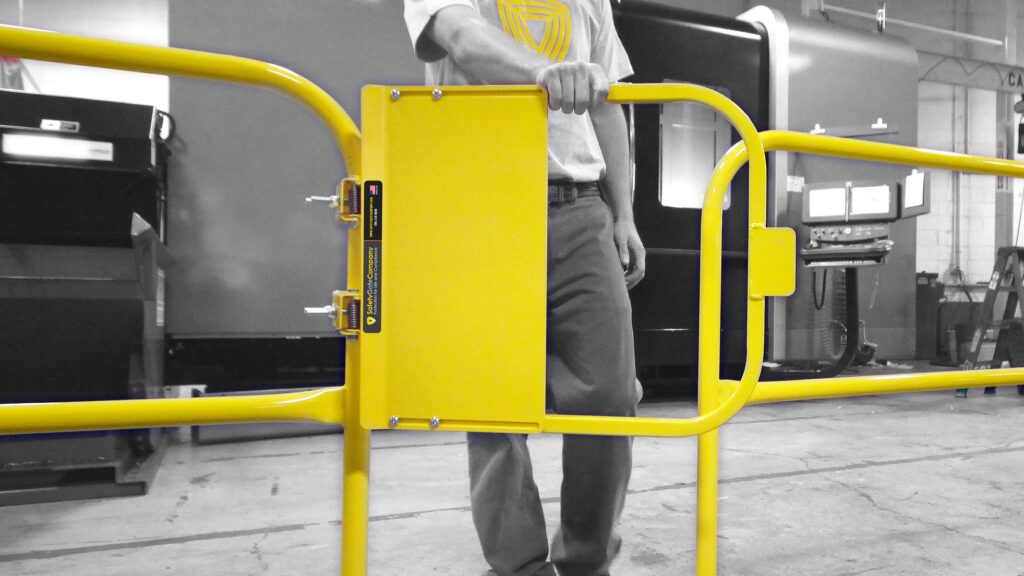
While these systems significantly enhance safety, they require careful integration with vehicle and signaling systems to ensure reliable operation.
Passenger Information Systems
Effective communication is essential for passenger safety and efficient station operations:
- Real-Time Information Displays: Provide updates on train arrivals, departures, and any service disruptions.
- Audio Announcements: Clear, multilingual announcements for important information and emergency instructions.
- Warning Signals: Visual and audible warnings when trains are approaching.
- Emergency Communication Points: Intercoms or help points allowing passengers to contact staff in emergencies.
- Wayfinding Signage: Clear, consistent signage helps passengers navigate the station safely and efficiently.
- Digital Information Kiosks: Interactive displays providing system maps, schedules, and safety information.
These systems should be designed to be accessible to all passengers, including those with visual or hearing impairments.
Crowd Management Techniques
Effective crowd management is crucial for maintaining safety, especially during peak hours or special events:
- Flow Analysis: Use of pedestrian flow modeling to optimize station layout and identify potential bottlenecks.
- Queue Management: Designated waiting areas and queue lines to prevent overcrowding near platform edges.
- Staff Deployment: Strategic positioning of staff members to guide passengers and respond quickly to incidents.
- Dynamic Signage: Digital signs that can be quickly updated to redirect passenger flow during busy periods or disruptions.
- Access Control: Measures such as ticket gates or turnstiles to regulate the flow of passengers entering the platform area.
- CCTV Monitoring: Real-time surveillance to identify and respond to crowding issues or security threats.
- Timetable Management: Adjusting train frequencies during peak times to prevent platform overcrowding.
- Event Planning: Special crowd management strategies for large events or festivals that may lead to unusually high passenger volumes.
Effective crowd management not only enhances safety but also improves the overall passenger experience and system efficiency. Regular training for staff in crowd management techniques is essential to ensure these strategies are implemented effectively.
In conclusion, station and platform safety in light rail systems requires a multifaceted approach that combines thoughtful design, advanced technology, and effective management strategies. By addressing these aspects comprehensively, light rail operators can create a safer, more accessible, and more efficient environment for passengers.
Signal and Communication Systems
Automatic Train Control (ATC)
Automatic Train Control (ATC) is a crucial component of modern light rail systems, enhancing safety, efficiency, and reliability. ATC systems typically comprise several subsystems:
- Automatic Train Protection (ATP): Ensures safe train separation and adherence to speed limits. It can automatically apply brakes if a train exceeds the safe speed or approaches too close to another train.
- Automatic Train Operation (ATO): Controls train movement, including acceleration, braking, and stopping at stations. This can range from driver assistance to fully automated operation.
- Automatic Train Supervision (ATS): Monitors and manages the overall traffic flow, adjusting schedules and routing to optimize system performance.
Key safety features of ATC systems include:
- Continuous Speed Monitoring: Ensures trains operate within safe speed limits at all times.
- Safe Braking Profiles: Calculates and enforces safe braking distances based on train speed, track conditions, and gradient.
- Route Interlocking: Prevents conflicting train movements by ensuring only one train can occupy a section of track at a time.
- Platform Detection: Ensures precise stopping at platforms and coordinates with platform screen doors where applicable.
ATC systems must comply with stringent safety standards, such as IEC 62290 for urban guided transport management and control systems.
Redundancy and Fail-Safe Mechanisms
Ensuring the reliability and safety of signal and communication systems is critical. This is achieved through:
- System Redundancy: Critical components and systems are duplicated to ensure continued operation in case of failure. This often includes redundant power supplies, communication networks, and control computers.
- Fail-Safe Design: Systems are designed so that any failure results in the safest possible state. For example, signals defaulting to ‘stop’ if communication is lost.
- Diversity: Using different types of systems or components to perform the same function, reducing the risk of common mode failures.
- Graceful Degradation: Systems are designed to maintain basic functionality even if some components fail, allowing for safe continued operation, albeit potentially at reduced capacity.
- Regular Testing: Automated self-diagnostic routines and scheduled maintenance checks to identify and address potential issues before they become critical.
These mechanisms are designed and implemented in accordance with safety integrity levels (SIL) as defined in standards like IEC 61508.
Emergency Communication Protocols
Effective emergency communication is vital for managing incidents and ensuring passenger safety. Key aspects include:
- Driver-Control Center Communication: Reliable, dedicated channels for drivers to communicate with the control center, including backup systems in case of primary system failure.
- Passenger Emergency Communication: Intercoms in vehicles and at stations allowing passengers to contact staff in emergencies.
- Public Address Systems: Clear, audible announcement systems in vehicles and stations for disseminating emergency instructions.
- Integration with Emergency Services: Direct communication links with local emergency services for rapid response coordination.
- Visual Information Systems: Dynamic message signs and displays to provide visual emergency information, especially important for hearing-impaired passengers.
- Staff Communication: Robust systems for communication between various staff members, including handheld devices for mobile staff.
- Automatic Incident Reporting: Systems that automatically alert the control center to potential incidents, such as sudden stops or door malfunctions.
Emergency communication protocols should be regularly tested and staff should be well-trained in their use. These systems often incorporate redundancy and backup power to ensure operation even in severe incidents.
In addition to these technical systems, clear procedures and protocols for different types of emergencies are essential. These might include:
- Evacuation procedures for different scenarios (e.g., fire, security threat, power failure)
- Protocols for coordinating with emergency services
- Procedures for managing service disruptions and informing passengers
- Crisis communication plans for major incidents
Regular drills and simulations help ensure that staff are prepared to implement these protocols effectively in real emergencies.
The integration of these signal and communication systems forms a comprehensive safety network for light rail operations. By combining advanced technology with robust protocols and well-trained staff, light rail systems can maintain high levels of safety and reliability, even in challenging situations. As technology continues to evolve, these systems are likely to become even more sophisticated, potentially incorporating artificial intelligence for predictive maintenance and real-time optimization of system performance.
Environmental and Operational Safety
Integration with Urban Environment
Light rail systems often operate in dense urban environments, sharing space with pedestrians, cyclists, and other vehicles. This integration presents unique safety challenges:
- Grade Crossings: Where light rail tracks intersect with roads, special attention is needed to prevent collisions. This includes:
- Advanced warning systems for both rail and road traffic
- Barriers and gates to prevent vehicle access when trains are approaching
- Clear signage and road markings
- Coordinated traffic signals
- Pedestrian Crossings: Safe crossing points for pedestrians, with clear signage, audible warnings, and in some cases, automated gates.
- Segregation: Where possible, physically separating light rail tracks from other traffic using barriers, level differences, or dedicated rights-of-way.
- Visual Integration: Ensuring that light rail vehicles are visually distinct and easily noticeable in the urban landscape, potentially including distinctive liveries or lighting.
- Public Education: Ongoing campaigns to educate the public about light rail safety, especially in areas where such systems are newly introduced.
- Speed Management: Adjusting vehicle speeds in areas with high pedestrian activity or complex traffic interactions.
Noise and Vibration Control
While not directly related to passenger safety, controlling noise and vibration is crucial for environmental safety and public acceptance of light rail systems:
- Track Design: Using resilient track forms, such as floating slab track or rubber-booted rail, to reduce vibration transmission.
- Vehicle Technology: Modern light rail vehicles often incorporate low-noise technologies, such as resilient wheels and improved suspension systems.
- Maintenance: Regular grinding of rails and wheel truing to maintain smooth running surfaces and reduce noise.
- Speed Restrictions: Implementing lower speed limits in noise-sensitive areas, especially at night.
- Acoustic Barriers: Where necessary, installing sound barriers along the track to protect nearby residential areas.
- Lubrication Systems: Automatic rail lubrication systems at curves to reduce wheel squeal.
Weather-Related Safety Measures
Light rail systems must be designed to operate safely in various weather conditions:
- Rain and Flooding:
- Adequate drainage systems along tracks and in tunnels
- Raised track beds in flood-prone areas
- Water level sensors and warning systems
- Snow and Ice:
- Track heating systems in critical areas
- Snow plows attachments for vehicles
- Anti-icing systems for overhead wires
- High Winds:
- Wind speed monitoring systems
- Protocols for reduced speeds or service suspension in extreme conditions
- Extreme Temperatures:
- Climate control systems in vehicles and stations
- Track expansion joints to handle temperature-related rail expansion
- Lightning Protection: Comprehensive grounding and surge protection systems for electrical infrastructure
Operational Hazards: Mitigation and Response
Various operational hazards require specific mitigation strategies:
- Collision Prevention:
- Automated train control systems
- Clear operational procedures and staff training
- Regular maintenance of signaling and communication systems
- Derailment Risk:
- Regular track inspection and maintenance
- Wheel condition monitoring
- Speed restrictions on curves
- Electrical Hazards:
- Proper insulation and grounding of electrical systems
- Regular inspection of overhead wires and power supply systems
- Emergency power cut-off systems
- Fire Risk:
- Fire detection and suppression systems in vehicles and stations
- Regular fire drills and staff training
- Use of fire-resistant materials in vehicle and station construction
- Passenger-Related Incidents:
- CCTV monitoring of vehicles and stations
- Emergency communication systems
- Staff training in conflict resolution and emergency response
In addition to these specific measures, a comprehensive safety management system is essential. This should include:
- Regular safety audits and risk assessments
- Incident reporting and investigation procedures
- Continuous improvement processes based on operational experience and industry best practices
- Coordination with local emergency services for major incident response
By addressing these environmental and operational safety aspects comprehensively, light rail operators can create a system that is not only efficient but also safe and well-integrated into the urban environment. This holistic approach to safety contributes significantly to public confidence in the system and its long-term sustainability.
Human Factors in Light Rail Safety
Ergonomic Design of Control Rooms
The design of light rail control rooms plays a crucial role in ensuring safe and efficient operations. Key considerations include:
- Workstation Layout: Ergonomically designed consoles that minimize operator fatigue and maximize visibility of critical displays.
- Display Systems: Large, clear displays showing real-time system status, often using multiple screens or video walls.
- Lighting: Adjustable lighting to reduce glare and eye strain, with consideration for 24/7 operations.
- Acoustics: Proper sound insulation and design to ensure clear communication and minimize distractions.
- Climate Control: Maintaining optimal temperature and humidity for operator comfort and equipment reliability.
- Rest Areas: Dedicated spaces for operators to take breaks and recover from the demands of monitoring tasks.
- Emergency Backup: Redundant systems and backup power to ensure continuous operation during emergencies.
The layout should also facilitate collaboration between different roles (e.g., traffic controllers, maintenance coordinators, and emergency response teams) while maintaining clear lines of responsibility.
Training and Competency of Operators
Ensuring that light rail operators are well-trained and maintain high levels of competency is essential for system safety:
- Initial Training: Comprehensive programs covering vehicle operation, route knowledge, signaling systems, and emergency procedures.
- Simulator Training: Use of advanced simulators to practice handling various scenarios and emergencies in a safe environment.
- Regular Assessments: Periodic evaluation of operators’ skills and knowledge, including both written tests and practical assessments.
- Continuous Learning: Ongoing training to cover new technologies, updated procedures, and lessons learned from incidents.
- Health and Fitness: Regular medical checks to ensure operators maintain the necessary physical and mental fitness for their roles.
- Fatigue Management: Training on recognizing and managing fatigue, along with scheduling practices that minimize fatigue risks.
- Communication Skills: Training in effective communication with passengers, control room staff, and emergency services.
Many light rail systems implement competency management systems to track and ensure the ongoing proficiency of their operators.
Passenger Behavior and Safety Awareness
Educating passengers about safe behavior is crucial for preventing accidents and ensuring smooth operations:
- Public Awareness Campaigns: Regular campaigns to educate the public about light rail safety, particularly in areas where systems are newly introduced.
- Clear Signage and Markings: Easy-to-understand signs and floor markings in stations and vehicles to guide safe behavior.
- Safety Announcements: Regular audio and visual reminders about safety practices in stations and on vehicles.
- School Outreach Programs: Targeted education for children and young adults who may be less aware of the risks associated with light rail systems.
- Passenger Information Systems: Real-time information displays to help passengers make safe decisions about boarding and alighting.
- Enforcement: Clear policies and procedures for addressing unsafe passenger behavior, including the use of transit police or security staff when necessary.
Encouraging a culture of safety among passengers can significantly reduce the risk of accidents and improve overall system efficiency.
User-Centered Design: Enhancing Passenger Safety
Incorporating user-centered design principles in light rail systems can greatly enhance passenger safety:
- Intuitive Navigation: Designing stations and vehicles with clear, intuitive layouts that guide passengers naturally and safely.
- Accessibility Features: Ensuring the system is usable by all passengers, including those with disabilities, through features like level boarding, tactile guidance systems, and audio announcements.
- Comfortable Interiors: Designing vehicle interiors to minimize the risk of falls or injuries during normal operation and sudden stops.
- Visibility: Ensuring good visibility between platforms and approaching vehicles, and clear sightlines within stations to enhance personal security.
- Emergency Features: Easily identifiable and accessible emergency call points, fire alarms, and evacuation routes.
- Information Design: Clear, concise, and multilingual information displays that are easy to read and understand in various lighting conditions.
- Feedback Mechanisms: User-friendly systems for passengers to report safety concerns or provide feedback on their experience.
User-centered design should be an ongoing process, incorporating feedback from passengers and staff to continuously improve safety and usability.
By focusing on these human factors, light rail systems can significantly enhance their safety performance. The interaction between well-designed environments, competent staff, and informed passengers creates a robust safety culture that complements technical safety systems.
Cybersecurity in Light Rail Systems
Threats to Light Rail Infrastructure
As light rail systems become increasingly digitized and interconnected, they face a growing range of cybersecurity threats:
- Control System Attacks: Attempts to compromise the Automatic Train Control (ATC) or other operational control systems.
- Signal Manipulation: Unauthorized access to signaling systems could potentially cause collisions or derailments.
- Data Breaches: Theft of sensitive operational data or passenger information.
- Denial of Service (DoS) Attacks: Attempts to overwhelm systems and disrupt operations.
- Ransomware: Malicious software that could lock out critical systems unless a ransom is paid.
- Insider Threats: Malicious actions by individuals with authorized access to systems.
- Communication System Interference: Disruption of vital communication links between vehicles, stations, and control centers.
Security Protocols for Control Systems
To mitigate these threats, robust security protocols must be implemented:
- Network Segmentation: Isolating critical control systems from less secure networks.
- Access Control: Implementing strict authentication and authorization protocols for all system access.
- Encryption: Ensuring all data transmissions, especially those related to control systems, are encrypted.
- Regular Security Audits: Conducting thorough and frequent assessments of system vulnerabilities.
- Patch Management: Keeping all software and firmware up to date with the latest security patches.
- Intrusion Detection Systems (IDS): Deploying systems to monitor for and alert on suspicious activities.
- Physical Security: Protecting critical infrastructure components from unauthorized physical access.
- Supply Chain Security: Ensuring the integrity of hardware and software from suppliers.
Incident Response and Recovery Plans
Despite preventive measures, it’s crucial to have comprehensive plans for responding to and recovering from cybersecurity incidents:
- Incident Response Team: A dedicated team trained to handle various types of cybersecurity incidents.
- Communication Protocols: Clear procedures for internal and external communication during an incident.
- Isolation Procedures: Methods to quickly isolate affected systems to prevent further spread of an attack.
- Backup and Recovery: Regular backups and tested procedures for quickly restoring systems from clean backups.
- Fallback Systems: Manual or analog fallback options for critical functions in case of complete system failure.
- Post-Incident Analysis: Thorough investigation and analysis of incidents to prevent future occurrences.
- Regular Drills: Conducting cybersecurity incident simulations to test and improve response plans.
- Coordination with Authorities: Established links with law enforcement and cybersecurity agencies for reporting and assistance.
Cybersecurity in light rail systems requires a proactive, multi-layered approach that combines technology, processes, and people. As threats evolve, cybersecurity measures must be continuously updated and improved to ensure the safety and reliability of these critical urban transportation systems.
Risk Management and Safety Assessment
Hazard Identification and Risk Analysis
A systematic approach to identifying and analyzing risks is fundamental to light rail safety:
- Hazard Identification: Comprehensive process to identify potential hazards across all aspects of the system, including:
- Operational hazards (e.g., collisions, derailments)
- Environmental hazards (e.g., flooding, extreme weather)
- Technical hazards (e.g., signal failures, power outages)
- Human factors (e.g., operator error, passenger behavior)
- Risk Assessment: Evaluating the likelihood and potential consequences of identified hazards.
- Risk Categorization: Prioritizing risks based on their severity and probability.
- Mitigation Strategies: Developing and implementing measures to eliminate, reduce, or control identified risks.
- Ongoing Monitoring: Continuous assessment of risks and the effectiveness of mitigation measures.
Failure Mode and Effect Analysis (FMEA)
FMEA is a structured approach to analyzing potential failures in a system:
- System Breakdown: Dividing the light rail system into its component parts and subsystems.
- Failure Mode Identification: For each component, identifying potential ways it could fail.
- Effect Analysis: Determining the consequences of each failure mode on the system and passenger safety.
- Criticality Assessment: Evaluating the severity and likelihood of each failure mode.
- Mitigation Measures: Developing strategies to prevent failures or minimize their impact.
- Documentation: Maintaining detailed records of the FMEA process and findings.
FMEA is particularly valuable for identifying single points of failure and ensuring redundancy in critical systems.
Regular Safety Audits and Inspections
Ongoing safety audits and inspections are essential for maintaining high safety standards:
- Scheduled Inspections: Regular checks of infrastructure, vehicles, and systems according to predefined schedules.
- Unannounced Audits: Surprise inspections to ensure compliance with safety procedures during normal operations.
- Third-Party Assessments: Independent evaluations by external safety experts or regulatory bodies.
- Technical Inspections: Detailed examinations of critical components, such as tracks, signaling systems, and vehicles.
- Operational Audits: Assessing adherence to safety procedures and protocols by staff.
- Documentation Review: Ensuring all safety-related documentation is up-to-date and compliant with regulations.
- Follow-up Procedures: Tracking the implementation of recommendations from previous audits and inspections.
Continuous Improvement and Feedback Loops
A culture of continuous improvement is crucial for enhancing safety over time:
- Incident Reporting Systems: Easy-to-use mechanisms for staff and passengers to report safety concerns or near-misses.
- Root Cause Analysis: Thorough investigation of incidents to identify underlying causes rather than just symptoms.
- Lessons Learned: Sharing insights from incidents and near-misses across the organization and industry.
- Performance Metrics: Tracking key safety performance indicators to identify trends and areas for improvement.
- Regular Safety Reviews: Periodic comprehensive reviews of the entire safety management system.
- Stakeholder Feedback: Actively seeking and incorporating feedback from passengers, staff, and local communities.
- Technology Integration: Continuously evaluating and integrating new safety technologies and best practices.
- Safety Culture Promotion: Fostering a culture where safety is everyone’s responsibility and concerns can be raised without fear of reprisal.
Effective risk management and safety assessment in light rail systems require a combination of systematic processes, regular evaluations, and a commitment to ongoing improvement. By implementing these practices, light rail operators can create a robust safety framework that adapts to new challenges and maintains high levels of safety performance over time.
Future Trends in Light Rail Safety
Automation and AI in Rail Safety
The integration of automation and artificial intelligence (AI) is set to revolutionize light rail safety:
- Autonomous Operations: Fully automated light rail systems that can operate without human drivers, potentially reducing human error.
- Predictive Maintenance: AI-powered systems that can predict equipment failures before they occur, allowing for proactive maintenance.
- Real-time Risk Assessment: AI algorithms analyzing vast amounts of data to identify potential safety risks in real-time.
- Advanced Obstacle Detection: AI-enhanced sensors and computer vision systems to detect and respond to obstacles on tracks more effectively than human operators.
- Intelligent Traffic Management: AI systems optimizing train schedules and routes to reduce congestion and potential conflicts.
- Passenger Flow Management: Using AI to analyze and manage passenger flows, reducing crowding and associated risks.
Sustainable Design for Safety
Future light rail designs will increasingly integrate sustainability with safety considerations:
- Energy-Efficient Safety Systems: Developing safety technologies that are both effective and energy-efficient.
- Eco-friendly Materials: Using sustainable materials in construction that also meet or exceed safety standards.
- Climate Resilience: Designing systems to withstand and operate safely in increasingly extreme weather conditions due to climate change.
- Noise Reduction: Implementing advanced technologies to reduce noise pollution without compromising on safety alerts.
- Green Infrastructure: Integrating natural elements into light rail design for both environmental benefits and enhanced safety (e.g., natural barriers, green tracks for improved drainage).
Smart Cities and Integrated Transport Systems
The concept of smart cities will drive further integration of light rail systems with other urban infrastructure:
- Interconnected Transport Networks: Seamless integration of light rail with other modes of transport for safer and more efficient journeys.
- Smart Traffic Management: Coordinated traffic systems that prioritize light rail movements while ensuring safety at intersections.
- Real-time Data Sharing: Sharing of safety-critical information across different city systems and transport modes.
- Smart Infrastructure: IoT-enabled infrastructure that can self-report issues and contribute to overall system safety.
- Personalized Safety Information: Delivering targeted safety information to passengers based on their location and specific circumstances.
Emerging Technologies in Light Rail Safety
Several emerging technologies are poised to enhance light rail safety:
- 5G and Advanced Connectivity: Ultra-fast, low-latency communications enabling more responsive and reliable safety systems.
- Virtual and Augmented Reality: For enhanced training of operators and maintenance staff, and potentially for passenger safety information.
- Blockchain: For secure, tamper-proof record-keeping of safety-critical data and maintenance logs.
- Advanced Materials: Development of new materials with enhanced safety properties, such as impact-resistant composites or self-healing structures.
- Quantum Sensors: Ultra-sensitive detection systems for track defects or potential obstacles.
- Biometric Systems: For enhanced security and personalized safety features in stations and vehicles.
Summary of Key Safety Considerations
Throughout this comprehensive guide, we’ve explored the multifaceted aspects of safety in light rail design:
- The critical importance of regulatory compliance and adherence to international standards
- The need for robust structural safety in tracks, vehicles, and infrastructure
- The role of advanced signaling and communication systems in preventing accidents
- The significance of environmental and operational safety measures
- The crucial human factors in ensuring system safety, from operator training to passenger awareness
- The growing importance of cybersecurity in increasingly digital rail systems
- The necessity of comprehensive risk management and continuous safety assessments
Importance of Ongoing Safety Assessments
Safety in light rail systems is not a one-time achievement but an ongoing process. Continuous assessment, adaptation, and improvement are essential:
- Regular safety audits and inspections to identify and address potential issues
- Ongoing risk assessments to adapt to changing urban environments and operational conditions
- Continuous training and development of staff to maintain high safety standards
- Incorporation of new technologies and best practices as they emerge
- Active engagement with passengers and communities to foster a culture of safety
Final Thoughts on Best Practices in Light Rail Design
As we look to the future of light rail systems, several key principles emerge as best practices for ensuring safety:
- Holistic Approach: Safety should be integrated into every aspect of light rail design, from initial planning to daily operations.
- Proactive Mindset: Anticipating and addressing potential safety issues before they become problems is crucial.
- Technological Integration: Embracing new technologies while ensuring they are thoroughly tested and secure.
- Human-Centered Design: Keeping the needs and behaviors of passengers and operators at the forefront of safety considerations.
- Sustainability: Integrating safety with environmental sustainability for long-term system resilience.
- Collaboration: Fostering cooperation between different stakeholders, including operators, regulators, technology providers, and the public.
- Adaptability: Designing systems that can evolve to meet changing safety requirements and urban needs.
By adhering to these principles and maintaining a unwavering commitment to safety, light rail systems can continue to provide efficient, sustainable, and most importantly, safe urban transportation for years to come. As cities grow and evolve, safe and reliable light rail systems will play an increasingly vital role in shaping the future of urban mobility.
Frequently Asked Questions (FAQs)
What are the most common safety challenges in light rail design?
The most common safety challenges in light rail design include:
- Integration with existing urban infrastructure and traffic
- Ensuring passenger safety during boarding and alighting
- Managing grade crossings where light rail intersects with road traffic
- Maintaining system reliability in various weather conditions
- Balancing automation with the need for human oversight
- Protecting against cyber threats in increasingly digital systems
How does light rail safety compare to other forms of transit?
Light rail generally has a strong safety record compared to other forms of urban transit:
- Typically safer than personal vehicles due to professional operation and dedicated rights-of-way
- Often safer than buses in terms of passenger injuries, partly due to smoother rides and more stable vehicles
- May have higher incident rates at grade crossings compared to fully grade-separated heavy rail systems
- Generally has lower fatality rates per passenger mile than private vehicles
What are the latest innovations in light rail safety?
Recent innovations in light rail safety include:
- Advanced driver assistance systems (ADAS) for collision avoidance
- AI-powered predictive maintenance to prevent equipment failures
- Smart platform edge doors synchronized with train arrivals
- Enhanced cybersecurity measures for critical control systems
- Use of drones for infrastructure inspection and monitoring
- Virtual reality training systems for operators and maintenance staff
How can passengers contribute to light rail safety?
Passengers can play a significant role in maintaining light rail safety by:
- Being aware of their surroundings and following safety instructions
- Reporting suspicious activities or safety concerns to staff
- Respecting platform markings and staying behind safety lines
- Avoiding distractions like using headphones near tracks
- Assisting fellow passengers who may need help, such as those with mobility issues
- Not interfering with doors or other equipment
What role do smart technologies play in improving light rail safety?
Smart technologies are increasingly crucial in enhancing light rail safety:
- Real-time monitoring systems for track and vehicle conditions
- AI-powered traffic management to optimize safety and efficiency
- IoT sensors for early detection of potential infrastructure issues
- Advanced communication systems for improved coordination during emergencies
- Data analytics for identifying safety trends and predicting potential risks
- Automated systems for enforcing speed limits and maintaining safe distances between trains
These technologies work together to create a more responsive, efficient, and ultimately safer light rail system.