
Road pavement failure is a critical issue affecting transportation infrastructure worldwide. Whether it’s a pothole on a city street or widespread cracking on a highway, these failures compromise safety, increase maintenance costs, and disrupt daily commutes. Understanding the types, underlying causes, and effective engineering remedies is essential for civil engineers, urban planners, and policymakers alike. This article dives deep into the mechanics of pavement deterioration, identifies common failure patterns, explores root causes from material fatigue to environmental stress, and presents proven engineering solutions to extend pavement life and enhance road performance.
What Is Road Pavement Failure?
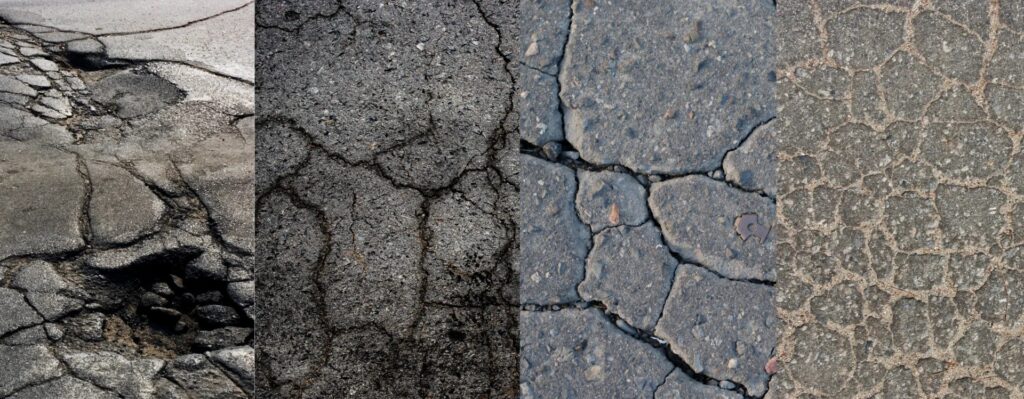
Road pavement failure refers to the loss of structural integrity or functional performance in a paved surface. It occurs when the pavement can no longer support traffic loads or maintain a smooth, safe riding surface. These failures manifest in various forms—from surface cracks to complete structural collapse—and often result from a combination of design flaws, material degradation, environmental exposure, and heavy usage.
Engineers classify pavement failure based on visible distress and underlying mechanisms. Early detection and diagnosis are crucial to prevent minor issues from escalating into costly repairs or hazardous road conditions. The goal is not just to fix visible damage but to address the root causes through intelligent design, proper materials, and timely maintenance.
Common Types of Road Pavement Failure
Pavement distress can be broadly categorized into structural and functional failures. Structural failures compromise the load-bearing capacity of the pavement, while functional failures affect ride quality and safety without necessarily weakening the structure. Below are the most prevalent types observed in both flexible and rigid pavements.
1. Cracking
Cracking is one of the most visible signs of pavement distress. It can appear in several forms, each indicating different underlying problems.
- Fatigue Cracking (Alligator Cracking): A web-like pattern resembling alligator skin, typically caused by repeated traffic loading on weakened pavement layers. Common in asphalt pavements with inadequate base support.
- Transverse Cracking: Cracks that run perpendicular to the road’s centerline, often due to thermal contraction in cold weather or shrinkage of asphalt binder.
- Longitudinal Cracking: Cracks parallel to the centerline, usually resulting from poor joint construction, pavement layer separation, or edge deterioration.
- Block Cracking: Large rectangular cracks caused by shrinkage of asphalt binder over time, especially in older pavements exposed to extreme temperature fluctuations.
2. Rutting
Rutting refers to permanent deformation in the wheel paths, forming longitudinal depressions. It is primarily a sign of structural weakness in the subgrade or base layers. Heavy trucks and high traffic volumes accelerate rut formation, especially in hot climates where asphalt becomes more pliable.
Rutting not only reduces ride comfort but also increases the risk of hydroplaning during rain. It often indicates poor compaction during construction or the use of low-quality aggregates and binders.
3. Potholes
Potholes are localized surface failures that create bowl-shaped holes in the pavement. They typically begin as small cracks or raveling and expand due to water infiltration and traffic abrasion. When water seeps into cracks, it freezes and expands in cold weather, widening the gap. Repeated vehicle loads then dislodge loose material, forming potholes.
Potholes pose serious safety hazards, particularly for motorcycles and bicycles, and are a common complaint in urban areas with aging infrastructure.
4. Raveling
Raveling is the progressive loss of aggregate particles from the pavement surface. It gives the road a rough, porous texture and is often caused by poor binder-aggregate adhesion, low asphalt content, or aging of the asphalt film.
This type of failure reduces skid resistance and accelerates further deterioration, as exposed aggregates are easily dislodged by traffic.
5. Shoving and Bleeding
Shoving occurs when the pavement surface deforms plastically under traffic, creating ripples or bulges—especially at intersections or uphill sections. It’s common in asphalt pavements with high binder content or poor mix design.
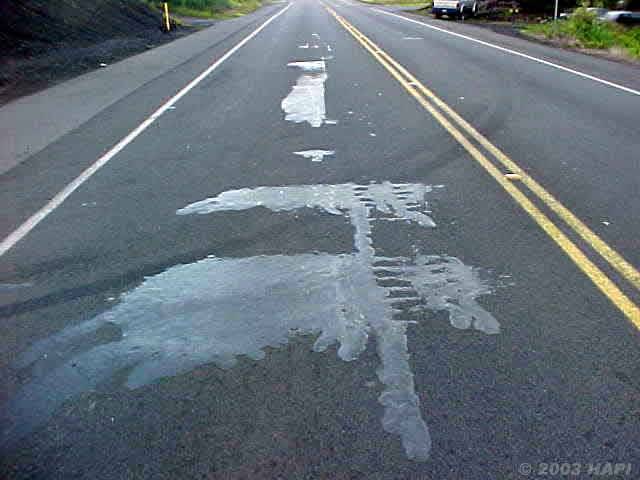
Bleeding, on the other hand, happens when excess asphalt binder rises to the surface, creating a shiny, sticky layer. This reduces friction and increases the risk of vehicle slippage, particularly in hot weather.
6. Edge Cracking and Failures
Edge cracks develop along the shoulder of the road and are often due to inadequate support at the pavement edges, poor drainage, or vegetation growth. Without proper shoulder reinforcement, the outer edges weaken and crack under vehicle loads.
This type of failure is common in rural roads and areas with limited maintenance.
Root Causes of Pavement Failure
While the visible symptoms of pavement failure are easy to spot, the underlying causes are often complex and interrelated. Identifying these causes is essential for designing effective remediation strategies.
1. Material-Related Factors
The quality of materials used in pavement construction plays a pivotal role in long-term performance. Substandard aggregates, low-grade asphalt binders, or improper mix designs can lead to premature failure.
- Poor Aggregate Quality: Weak, friable, or non-durable aggregates break down under load, leading to raveling and surface degradation.
- Asphalt Binder Aging: Over time, UV exposure and oxidation harden the binder, reducing flexibility and increasing brittleness.
- Improper Mix Design: Incorrect proportions of binder, aggregate, and air voids can result in mixes that are too stiff, too soft, or prone to moisture damage.
2. Design and Construction Deficiencies
Even with high-quality materials, poor design or construction practices can doom a pavement to early failure.
- Inadequate Thickness: Pavement layers that are too thin cannot distribute loads effectively, leading to fatigue and rutting.
- Poor Drainage: Water trapped beneath the pavement weakens the subgrade and promotes pumping, stripping, and frost heave.
- Insufficient Compaction: Inadequate rolling during construction leaves air voids, reducing density and strength.
- Improper Joint Construction: In rigid pavements, poorly aligned or spaced joints can lead to spalling and faulting.
3. Environmental and Climatic Influences
Weather conditions exert constant stress on pavement structures.
- Temperature Fluctuations: Repeated freeze-thaw cycles cause expansion and contraction, leading to cracking and potholes.
- Moisture Infiltration: Water is the number one enemy of pavements. It softens the subgrade, causes stripping in asphalt, and contributes to frost heave in cold regions.
- UV Radiation: Prolonged sun exposure degrades asphalt binders, accelerating aging and surface deterioration.
4. Traffic Loading and Overloading
Pavements are designed to handle specific traffic volumes and axle loads. Exceeding these limits—especially with heavy trucks—accelerates wear and tear.
- Overloaded Vehicles: Trucks carrying loads beyond legal limits exert excessive stress on pavement layers.
- High Traffic Volume: Continuous traffic, especially in urban corridors, leads to cumulative fatigue damage.
- Stop-and-Go Traffic: Intersections and bus stops experience higher shear stresses, increasing the risk of shoving and rutting.
5. Maintenance Neglect
Routine maintenance is critical to extending pavement life. Delaying repairs allows minor issues to escalate.
- Crack Sealing Delays: Unsealed cracks allow water infiltration, worsening internal damage.
- Lack of Surface Treatments: Skipping seal coats or micro-surfacing accelerates surface aging.
- Inadequate Pothole Patching: Temporary patches without proper preparation often fail quickly, requiring repeated repairs.
Engineering Remedies for Pavement Failure
Effective remediation requires a combination of preventive design, timely maintenance, and advanced repair techniques. Engineers use a range of strategies depending on the type and severity of failure.
1. Preventive Maintenance Strategies
Proactive maintenance is far more cost-effective than reactive repairs. These techniques aim to preserve pavement condition before major distress occurs.
- Crack Sealing: Filling cracks with hot-pour or cold-applied sealants prevents water and debris from entering the pavement structure.
- Chip Seals (Surface Dressing): Applying a layer of asphalt emulsion followed by crushed stone restores skid resistance and seals minor cracks.
- Fog Seals: A light application of diluted asphalt rejuvenates the surface and slows binder aging.
- Micro-Surfacing: A polymer-modified slurry seal that fills ruts and provides a new wearing course.
2. Structural Rehabilitation Techniques
When pavement damage is more severe, structural interventions are necessary.
- Overlaying: Placing a new asphalt layer over the existing pavement. Thin overlays (2–4 cm) address surface defects, while thick overlays (10+ cm) restore structural capacity.
- Mill and Fill: Removing the damaged surface layer and replacing it with fresh asphalt. This method preserves the base and subgrade while renewing the top layer.
- Full-Depth Reclamation (FDR): Pulverizing the existing pavement and mixing it with stabilizing agents (e.g., cement or lime) to create a new base layer. This is cost-effective for severely distressed roads.
- Rubblization (for Concrete Pavements): Breaking concrete slabs into small fragments to act as a base for new asphalt overlays.
3. Advanced Materials and Technologies
Innovations in materials science are transforming pavement engineering.
- Polymer-Modified Asphalts (PMB): Enhanced binders that improve elasticity, resistance to rutting, and durability in extreme temperatures.
- Recycled Asphalt Pavement (RAP): Reusing old asphalt reduces costs and environmental impact. Modern plants can incorporate up to 30–50% RAP without compromising performance.
- Geosynthetics: Geogrids and geotextiles reinforce weak subgrades, reduce reflective cracking, and extend pavement life.
- Permeable Pavements: Designed to allow water drainage, reducing hydroplaning and frost damage in wet climates.
4. Drainage Improvements
Effective drainage is non-negotiable for long-lasting pavements.
- Subsurface Drains: Installing French drains or edge drains to remove groundwater from beneath the pavement.
- Cross Slopes and Crowns: Proper road shaping ensures surface water flows quickly off the pavement.
- Porous Asphalt: Allows water to drain through the surface, reducing ponding and improving safety.
5. Load Management and Traffic Control
Reducing stress on pavements through intelligent traffic management.
- Weight Restrictions: Enforcing axle load limits on vulnerable roads.
- Truck Route Planning: Diverting heavy vehicles to stronger routes.
- Speed Reduction Zones: Lower speeds reduce dynamic loading and wear at intersections.
Case Study: Successful Pavement Rehabilitation in Urban India
In 2021, the Pune Municipal Corporation faced widespread pavement failure on key arterial roads due to heavy monsoon rains and increasing traffic. Cracking, rutting, and potholes were rampant. Engineers conducted a detailed distress survey and identified poor drainage and subgrade saturation as primary causes.
The solution involved a multi-phase approach: first, installing subsurface drainage systems; second, applying full-depth reclamation to stabilize the base; and third, laying a 6 cm polymer-modified asphalt overlay. Within two years, ride quality improved by 60%, and maintenance costs dropped by 40%. The project demonstrated how integrated engineering remedies can transform failing infrastructure.
Key Takeaways
- Road pavement failure manifests in many forms—cracking, rutting, potholes, and raveling—each with distinct causes and implications.
- Root causes include poor materials, design flaws, environmental stress, overloading, and lack of maintenance.
- Effective remedies range from preventive maintenance (crack sealing, chip seals) to structural rehabilitation (overlays, FDR).
- Advanced materials like polymer-modified asphalts and geosynthetics significantly enhance pavement durability.
- Drainage improvement and load management are critical for long-term performance.
- Early intervention and data-driven maintenance planning reduce lifecycle costs and improve safety.
FAQ
What is the most common cause of pavement failure?
Water infiltration is the leading cause of pavement failure. It weakens the subgrade, promotes stripping in asphalt, and contributes to freeze-thaw damage. Combined with traffic loads, moisture accelerates deterioration across all pavement types.
How can potholes be prevented?
Potholes can be prevented through timely crack sealing, proper drainage design, use of durable materials, and regular surface treatments. Preventive maintenance is far more effective and economical than reactive patching.
Is recycled asphalt pavement (RAP) as good as new asphalt?
Yes, when properly processed and blended, RAP performs comparably to virgin asphalt. Modern recycling techniques allow up to 50% RAP content in new mixes without sacrificing performance, making it a sustainable and cost-effective option.
Road pavement failure is not inevitable—it is a solvable engineering challenge. By understanding the types of distress, diagnosing root causes, and applying targeted remedies, engineers can build and maintain roads that are safer, more durable, and more cost-effective. From smart material choices to advanced rehabilitation techniques, the tools to combat pavement failure are available today. The key lies in proactive planning, continuous monitoring, and a commitment to quality at every stage of the pavement lifecycle. Investing in pavement health is investing in mobility, safety, and economic resilience.