
In the construction industry, the choice of materials for load-bearing structures is crucial for ensuring safety, durability, and structural integrity. Load-bearing structures are essential components of buildings that support the weight of the structure itself, as well as any additional live and environmental loads. These structures must be designed and built using materials that can withstand tremendous forces and stresses without compromising their integrity.
This comprehensive article will explore the various materials suitable for the construction of load-bearing structures, highlighting their unique properties, advantages, and disadvantages. We will delve into the characteristics of concrete, steel, wood, masonry, and composite materials, providing insights into their applications in load-bearing construction. Additionally, we will discuss factors to consider when selecting materials, innovative materials in the industry, and practical tips for making informed decisions.
By understanding the strengths and limitations of each material, architects, engineers, and builders can make informed choices that ensure the safety, durability, and cost-effectiveness of their projects. Whether you are constructing a residential home, a commercial building, or an industrial facility, this article will equip you with the knowledge necessary to choose the right materials for your load-bearing structures.
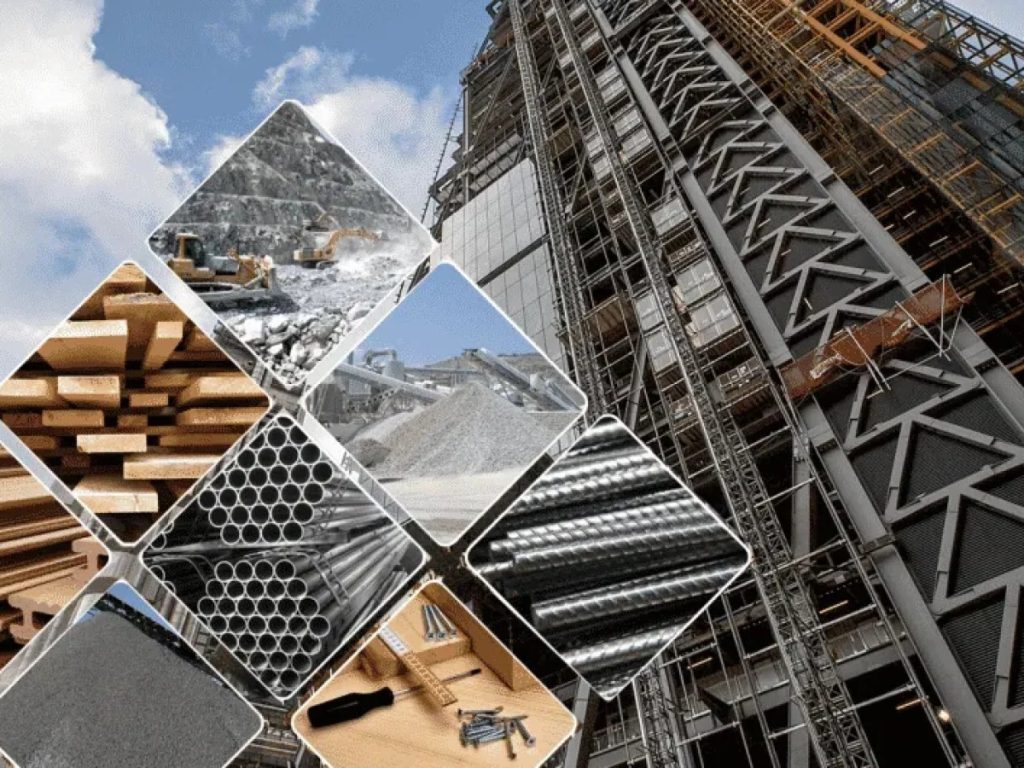
Understanding Load-Bearing Structures
Load-bearing structures are essential components in construction that are designed to transfer and support the weight of a building, as well as any additional live and environmental loads, to the foundation. These structures include walls, columns, beams, and foundations, and they play a critical role in maintaining the structural integrity and stability of a building.
The choice of materials for load-bearing structures is crucial because they must possess sufficient strength, durability, and resistance to withstand the forces acting upon them. Failure to select the appropriate materials can result in structural deficiencies, compromising the safety of occupants and the longevity of the building.
Factors such as the type of building, its intended use, and the anticipated loads (static, dynamic, or environmental) must be carefully considered when selecting materials for load-bearing structures. Additionally, local building codes and regulations often dictate specific requirements and standards that must be met, further emphasizing the importance of choosing the right materials.
Key Materials for Load-Bearing Structures
There are several materials that are commonly used in the construction of load-bearing structures due to their unique properties and suitability for specific applications.
Concrete
Concrete is one of the most widely used materials for load-bearing structures due to its exceptional compressive strength and durability. It is a composite material composed of cement, aggregates (sand and gravel), and water, which hardens over time to form a solid, rock-like mass.

Properties of Concrete:
- High compressive strength, making it suitable for supporting heavy loads.
- Excellent durability and resistance to environmental factors, such as fire, moisture, and temperature changes.
- Low tensile strength, often requiring reinforcement with steel bars or fibers.
- Versatility in shaping and molding, allowing for various architectural designs.
Advantages of Concrete:
- Cost-effective and widely available.
- Fire-resistant and low maintenance.
- Can be reinforced to improve tensile strength and ductility.
Disadvantages of Concrete:
- Relatively heavy and prone to cracking if not properly cured or reinforced.
- Limited tensile strength without reinforcement.
- Environmental impact due to the carbon emissions associated with cement production.
Common Applications in Load-Bearing Structures:
- Foundations, walls, columns, and beams in residential, commercial, and industrial buildings.
- Bridges, dams, and other infrastructure projects.
Steel
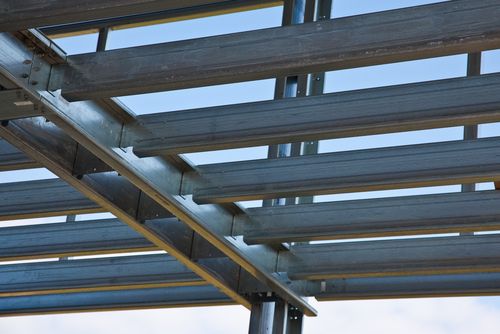
Steel is another widely used material in load-bearing construction due to its high strength-to-weight ratio, ductility, and versatility.
Properties of Steel:
- Excellent tensile and compressive strength, making it suitable for supporting heavy loads.
- High ductility, allowing it to deform and bend without breaking.
- Corrosion resistance can be improved through galvanization or other coatings.
- Lightweight compared to concrete or masonry.
Advantages of Steel:
- High strength-to-weight ratio, allowing for taller and longer spans.
- Prefabrication and modular construction, reducing construction time and waste.
- Recyclable and environmentally sustainable with proper recycling practices.
Disadvantages of Steel:
- Susceptible to corrosion and fire damage without proper protection.
- Higher cost compared to some other materials.
- Potential for thermal expansion and contraction, requiring proper design considerations.
Common Applications in Load-Bearing Structures:
- Structural frames, beams, columns, and trusses in high-rise buildings and industrial facilities.
- Bridges, towers, and other infrastructure projects.
Wood
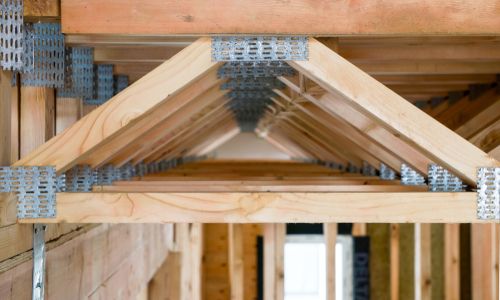
Wood has been a traditional material used for load-bearing structures, particularly in residential and light commercial construction, due to its natural availability, workability, and aesthetic appeal.
Properties of Wood:
- High strength-to-weight ratio, making it suitable for framing and load-bearing applications.
- Excellent thermal and acoustic insulation properties.
- Renewable and sustainable resource when sourced from well-managed forests.
- Variations in strength and properties depending on the wood species and grade.
Advantages of Wood:
- Lightweight and easy to work with, reducing construction time and costs.
- Aesthetically pleasing and can be left exposed for architectural purposes.
- Sustainable and environmentally friendly when sourced responsibly.
Disadvantages of Wood:
- Susceptible to moisture, insect damage, and fire without proper treatment and protection.
- Dimensional instability due to changes in moisture content (swelling and shrinking).
- Limited span capabilities compared to other materials like steel or concrete.
Common Applications in Load-Bearing Structures:
- Framing for walls, floors, and roofs in residential and light commercial buildings.
- Post-and-beam construction for barns and industrial buildings.
- Engineered wood products (e.g., glulam, cross-laminated timber) for larger span structures.
Sustainable Wood Options:
- Certified sustainable forest products that promote responsible forest management.
- Reclaimed or recycled wood from demolition or construction waste.
- Engineered wood products that optimize the use of wood resources.
Masonry (Brick and Stone)
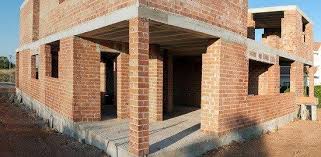
Masonry materials, such as brick and stone, have been used for centuries in the construction of load-bearing structures due to their durability, fire resistance, and aesthetic appeal.
Properties of Masonry Materials:
- High compressive strength, making them suitable for load-bearing walls and foundations.
- Excellent fire resistance and thermal mass, providing effective insulation.
- Low tensile strength, requiring additional reinforcement or structural elements.
- Variations in properties depending on the specific masonry material and quality.
Advantages of Masonry:
- Durability and longevity, with properly constructed masonry structures lasting for centuries.
- Excellent resistance to fire, moisture, and environmental factors.
- Aesthetic appeal and versatility in architectural design.
Disadvantages of Masonry:
- Labor-intensive construction process, increasing costs and construction time.
- Heavy weight, requiring robust foundations and structural support.
- Limited span capabilities, often requiring additional structural elements like lintels or arches.
Common Applications in Load-Bearing Structures:
- Load-bearing walls, foundations, and columns in residential and commercial buildings.
- Arches, domes, and other architectural features in historical or monumental structures.
- Retaining walls and other landscape structures.
Composite Materials
Composite materials are engineered combinations of two or more materials, designed to take advantage of the strengths of each component while minimizing their weaknesses.
Definition and Examples:
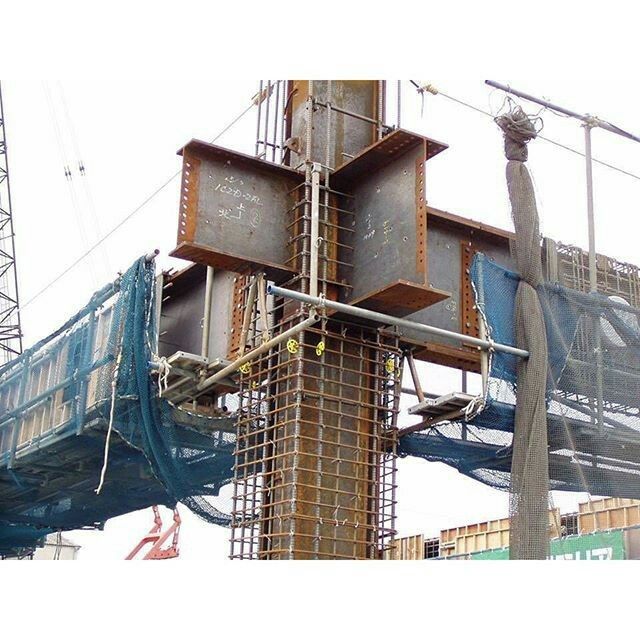
- Reinforced concrete: Concrete reinforced with steel bars or fibers to improve tensile strength and ductility.
- Steel-reinforced polymers: Polymer resins reinforced with steel fibers or bars for improved strength and durability.
- Engineered wood products: Lumber or wood strands combined with adhesives or reinforcements for enhanced structural performance.
Advantages of Composite Materials:
- Tailored properties to meet specific performance requirements.
- Improved strength, durability, and resistance to environmental factors.
- Lightweight and versatile design options.
Disadvantages of Composite Materials:
- Often more expensive than traditional materials.
- Potential compatibility issues between components if not properly designed and manufactured.
- Limited long-term performance data for some emerging composite materials.
Common Applications in Load-Bearing Structures:
- Reinforced concrete for foundations, walls, columns, and beams in various construction projects.
- Fiber-reinforced polymer (FRP) composites for strengthening and retrofitting existing structures.
- Engineered wood products like glulam, cross-laminated timber, and structural insulated panels for residential and commercial construction.
Factors to Consider When Choosing Materials
When selecting materials for load-bearing structures, several factors must be taken into consideration to ensure the optimal performance, safety, and longevity of the construction project. These factors include:
Strength and Load-Bearing Capacity:
The primary concern when choosing materials for load-bearing structures is their ability to withstand the anticipated loads, both static and dynamic. Materials must possess sufficient compressive, tensile, and shear strength to support the weight of the structure, as well as any additional live loads (occupants, furniture, equipment) and environmental loads (wind, snow, seismic activity). Thorough structural analysis and calculations are necessary to determine the appropriate material and its required dimensions.
Durability and Longevity:
Load-bearing structures are expected to have a long service life, often spanning decades or even centuries. Therefore, the durability and resistance of the chosen materials to environmental factors such as moisture, temperature fluctuations, corrosion, and fire are crucial considerations. Materials with inherent durability or those that can be treated or protected against degradation are preferred to ensure the longevity and safety of the structure.
Environmental Impact and Sustainability:
With increasing emphasis on sustainable construction practices, the environmental impact of construction materials has become a significant factor. Materials with lower embodied energy (the energy required for extraction, manufacturing, and transportation), recyclability, and lower carbon footprints are preferred. Additionally, materials sourced from renewable or recycled sources, such as certified sustainable wood or recycled steel, can contribute to the overall sustainability of the project.
Cost and Availability:
The cost of materials and their availability in the local market can significantly influence material selection. While strength and durability are paramount, cost considerations often play a role in determining the most suitable and economical solution. Materials that are readily available and have a consistent supply chain can also streamline the construction process and reduce delays.
Local Building Codes and Regulations:
Building codes and regulations are established to ensure the safety and structural integrity of buildings. These codes often specify minimum requirements for materials, design loads, and construction methods based on the location, intended use, and other factors. Compliance with local building codes is mandatory, and the chosen materials must meet or exceed these requirements.
Innovative Materials in Load-Bearing Construction
The construction industry is continuously evolving, and innovative materials are being developed to improve the performance, sustainability, and efficiency of load-bearing structures. Some of the modern and emerging materials in this field include:
Engineered Timber
Engineered wood products, such as cross-laminated timber (CLT) and glued-laminated timber (glulam), offer superior strength and structural performance compared to traditional lumber. These materials are manufactured by layering and adhering wood components, creating sturdy and dimensionally stable components suitable for load-bearing applications. Engineered timber is a sustainable and renewable resource that can be used in various structures, from residential buildings to commercial and industrial facilities.
High-Performance Concrete
Advancements in concrete technology have led to the development of high-performance concrete (HPC) mixtures. These formulations incorporate specialized admixtures, supplementary cementitious materials, and advanced curing techniques to enhance the strength, durability, and workability of concrete. HPC is particularly suitable for high-rise buildings, bridges, and other structures that require exceptional load-bearing capabilities and resistance to environmental stresses.
Advanced Composites
Composite materials continue to evolve, offering new possibilities for load-bearing structures. Fiber-reinforced polymers (FRPs), such as carbon fiber-reinforced polymers (CFRPs) and glass fiber-reinforced polymers (GFRPs), provide high strength-to-weight ratios and corrosion resistance. These materials can be used for strengthening existing structures, as well as in new construction projects where lightweight and durable load-bearing elements are required.
Self-Healing Materials
Researchers are exploring the development of self-healing materials that can automatically repair cracks and damage, extending the service life of load-bearing structures. These materials incorporate embedded microcapsules or vascular networks that release repair agents when cracks form, sealing and healing the damage. Self-healing concrete, polymers, and composites have the potential to reduce maintenance costs and improve the durability of load-bearing structures.
Nanomaterials
The incorporation of nanomaterials, such as carbon nanotubes and graphene, into construction materials can enhance their mechanical properties, durability, and functionality. These nanomaterials can be used to reinforce concrete, steel, or polymer matrices, resulting in stronger and more durable load-bearing components.
While many of these innovative materials are still in the research and development phase, they offer promising solutions for the future of load-bearing construction, addressing challenges related to strength, sustainability, and resilience.
Case Studies and Examples
Real-world examples and case studies can provide valuable insights into the selection and performance of different materials for load-bearing structures. Let’s explore a few notable examples:
Burj Khalifa, Dubai:
The Burj Khalifa, the tallest building in the world, is a testament to the remarkable load-bearing capabilities of reinforced concrete and steel. The building’s core and structural frame are constructed using high-performance concrete and reinforced with steel rebar, allowing it to withstand the immense gravitational and lateral loads. The use of advanced concrete mixtures and optimized structural design enabled this iconic structure to reach unprecedented heights while ensuring safety and stability.
Oakwood Timber Tower, London:
The Oakwood Timber Tower, a residential building in London, exemplifies the use of engineered timber for load-bearing structures. Constructed primarily with cross-laminated timber (CLT) panels, this 10-story tower demonstrates the potential of sustainable wood products in mid-rise construction. The CLT panels provide strength, fire resistance, and thermal insulation, making them a viable alternative to traditional materials like concrete and steel.
Gateshead Millennium Bridge, UK:
The Gateshead Millennium Bridge, a pedestrian and cyclist bridge in the United Kingdom, showcases the versatility of steel in load-bearing structures. The bridge’s tilting mechanism relies on a series of steel arches and cables to support the load of the deck and allow it to rotate for marine traffic. The use of high-strength steel enabled the bridge’s unique design and functional requirements, highlighting the material’s structural capabilities.
Thermal Bath, Vals, Switzerland:
The Thermal Bath in Vals, Switzerland, is a prime example of the use of masonry in load-bearing construction. The entire structure, including walls, floors, and ceilings, is built using locally sourced quartzite slabs, creating a seamless and visually striking design. The load-bearing masonry walls and arches demonstrate the durability and aesthetic appeal of stone in architectural and structural applications.
These case studies illustrate the diverse applications of materials in load-bearing structures, ranging from skyscrapers to bridges and architectural marvels. The choice of materials is driven by factors such as structural requirements, aesthetic considerations, sustainability goals, and innovative design approaches.
Practical Tips for Selecting Materials
When embarking on a construction project involving load-bearing structures, it is essential to carefully evaluate and select the most suitable materials. Here are some practical tips to guide the material selection process:
- Conduct Thorough Structural Analysis: Engage qualified structural engineers to perform detailed calculations and analyses to determine the required load-bearing capacities and design parameters. This analysis should consider factors such as the building’s intended use, anticipated loads, local climate conditions, and seismic activity.
- Understand Material Properties: Thoroughly research and understand the properties of each material under consideration, including strength, durability, fire resistance, thermal performance, and environmental impact. Consult technical data sheets, industry standards, and expert guidance to make informed decisions.
- Consider Lifecycle Costs: While the initial cost of materials is important, it is crucial to evaluate the lifecycle costs, including maintenance, repair, and potential replacement costs over the structure’s lifespan. Materials with higher upfront costs may prove more cost-effective in the long run due to their durability and low maintenance requirements.
- Comply with Building Codes and Regulations: Ensure that the chosen materials comply with all applicable building codes, regulations, and standards in your local jurisdiction. These codes often specify minimum requirements for materials, design loads, and construction methods to ensure public safety and structural integrity.
- Evaluate Environmental Impact and Sustainability: Incorporate sustainable practices into the material selection process by considering the embodied energy, carbon footprint, and recyclability of each option. Explore the use of locally sourced materials, recycled or reclaimed materials, and materials with environmental certifications.
- Consider Constructability and Availability: Assess the availability and supply chain of the materials in your local area to ensure timely delivery and avoid project delays. Additionally, consider the ease of construction and any specialized skills or equipment required for working with specific materials.
- Engage Experienced Professionals: Consult with architects, engineers, contractors, and material suppliers with expertise in load-bearing construction. Their knowledge and experience can provide valuable insights into material selection, design considerations, and best practices specific to your project.
- Different Types of Buildings: While the general principles of material selection apply across various building types, specific considerations may arise based on the intended use and requirements of the structure.
- Residential Buildings: For residential construction, factors such as cost-effectiveness, energy efficiency, and aesthetic appeal often play a significant role in material selection. Wood framing, engineered timber products, and masonry are common choices for load-bearing walls and floors, while concrete and steel may be used for foundations and structural elements.
- Commercial Buildings: Commercial structures, such as offices, hotels, and retail spaces, often require materials that can accommodate higher loads and provide durability, fire resistance, and low maintenance. Reinforced concrete, steel frames, and composite materials are frequently used for load-bearing elements in these buildings.
- Industrial Facilities: Industrial buildings, such as factories, warehouses, and manufacturing plants, prioritize materials that can withstand heavy loads, resist impact and abrasion, and provide long-term durability. Steel frames, reinforced concrete, and precast concrete components are common choices for load-bearing structures in these applications.
- Expert Insights: To gain a deeper understanding of material selection for load-bearing structures, it is valuable to consider insights from industry experts:
“The choice of materials for load-bearing structures is not just about strength and durability; it’s also about striking a balance between performance, cost, and environmental impact. Sustainable solutions like engineered timber and high-performance concrete are increasingly becoming viable options for creating resilient and eco-friendly structures.” – Dr. Sarah Johnson, Professor of Civil Engineering, University of California, Berkeley.
“Material selection is a critical aspect of load-bearing construction, and it’s essential to consider the entire lifecycle of the structure. While initial costs are important, long-term durability, maintenance requirements, and potential for adaptation or deconstruction should also be factored in.” – Michael Thompson, Principal Structural Engineer, Thompson Engineering Associates.
“The future of load-bearing construction lies in the integration of advanced materials and digital technologies. Innovations like self-healing concrete, smart composites, and Building Information Modeling (BIM) will revolutionize how we design, construct, and maintain load-bearing structures.” – Dr. Amélie Leclerc, Director of Materials Research, National Institute of Building Sciences.
Frequently Asked Questions (FAQ)
- What are the best materials for load-bearing walls? The choice of materials for load-bearing walls depends on various factors, including the building type, load requirements, and local conditions. Common options include reinforced concrete, structural steel, masonry (brick or concrete blocks), and engineered wood products like cross-laminated timber (CLT).
- How do I determine the load-bearing capacity of a material? The load-bearing capacity of a material is determined through structural engineering calculations and testing. Factors such as the material’s strength properties (compressive, tensile, and shear), dimensions, and design specifications are considered. Engaging qualified structural engineers is essential to ensure accurate calculations and proper material selection.
- Can recycled materials be used in load-bearing structures? Yes, recycled materials can be used in load-bearing structures, provided they meet the necessary strength and durability requirements. Examples include recycled steel, recycled concrete aggregates, and reclaimed wood or engineered wood products made from recycled materials. Proper testing and adherence to building codes are crucial when using recycled materials.
- What are the most cost-effective materials for load-bearing construction? The most cost-effective materials for load-bearing construction can vary depending on the project location, material availability, and design requirements. Generally, reinforced concrete, structural steel, and wood framing are considered economical options for many applications. However, long-term maintenance and lifecycle costs should also be considered when evaluating cost-effectiveness.
- How do different climates affect material choice for load-bearing structures? Climate conditions, such as temperature extremes, humidity, and exposure to harsh environments, can impact the performance and durability of construction materials. In humid or coastal regions, materials with good corrosion resistance (e.g., stainless steel, treated wood) may be preferred. In cold climates, materials with good insulation properties and resistance to freeze-thaw cycles are desirable. Local climate data should be considered when selecting materials for load-bearing structures.
Choosing the appropriate materials for load-bearing structures is a critical decision that impacts the safety, durability, and overall performance of a construction project. This comprehensive article has explored the various materials suitable for load-bearing applications, including concrete, steel, wood, masonry, and composite materials.
Each material offers unique advantages and disadvantages, and the selection process should consider factors such as strength requirements, durability, environmental impact, cost, and local building codes. By understanding the properties and applications of these materials, architects, engineers, and builders can make informed decisions that ensure the structural integrity and longevity of their projects.
As the construction industry continues to evolve, innovative materials and technologies are emerging, offering new possibilities for load-bearing structures. Engineered timber, high-performance concrete, advanced composites, and self-healing materials are just a few examples of the advancements shaping the future of load-bearing construction.
Ultimately, the choice of materials for load-bearing structures requires a holistic approach that balances performance, sustainability, and cost-effectiveness. By collaborating with experienced professionals, conducting thorough analyses, and staying informed about industry trends, stakeholders can create safe, durable, and environmentally responsible load-bearing structures that meet the demands of modern construction.