
In an increasingly urbanized world, the connection between humans and nature has become more crucial than ever. Biophilic design, a revolutionary approach in architecture, seeks to bridge this gap by integrating natural elements into our built environments. This comprehensive guide explores the principles, benefits, and applications of biophilic design, offering insights into how it enhances well-being and sustainability in modern architecture.
Brief Introduction to Biophilic Design
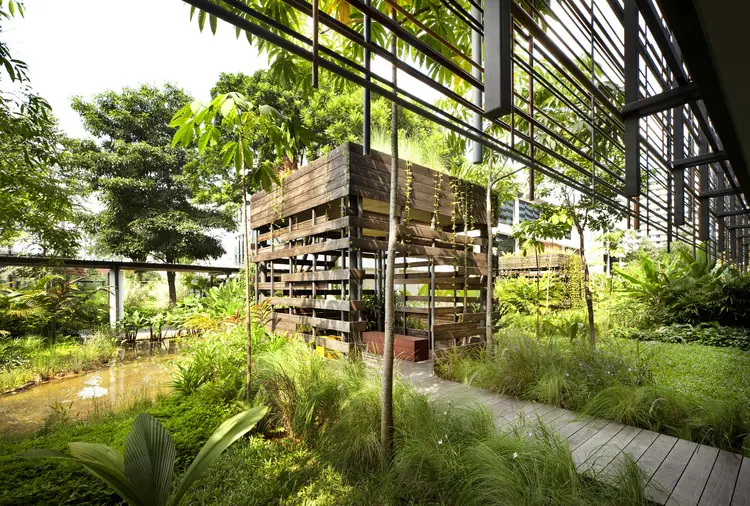
Biophilic design is an innovative architectural concept that incorporates natural elements and patterns into built environments. At its core, it’s about creating spaces that foster a connection between humans and nature, even within urban settings. This approach recognizes our innate affinity for nature and leverages it to create healthier, more productive, and more sustainable spaces.
The importance of biophilic design in modern architecture cannot be overstated. As urbanization continues to separate us from nature, biophilic design offers a way to reintroduce natural elements into our daily lives. It addresses the growing disconnect between humans and the natural world, which has been linked to various physical and mental health issues. By integrating nature into our built environments, biophilic design aims to improve our overall well-being, productivity, and quality of life.
What is Biophilic Design?
The Concept and Origin
The term “biophilia” was coined by psychoanalyst Erich Fromm in 1973 and later popularized by biologist Edward O. Wilson in his 1984 book “Biophilia”. Wilson defined biophilia as “the innate tendency to focus on life and lifelike processes.” This concept forms the foundation of biophilic design in architecture.
The roots of biophilic design can be traced back to ancient civilizations that incorporated natural elements into their built environments. However, it wasn’t until the late 20th century that biophilic design began to emerge as a distinct architectural philosophy. Pioneers in this field include architects like Frank Lloyd Wright, who championed organic architecture, and Buckminster Fuller, known for his geodesic domes that mimicked natural forms.
One early example of biophilic design is the Fallingwater house, designed by Frank Lloyd Wright in 1935. Built over a waterfall, the house seamlessly integrates with its natural surroundings, exemplifying the principles of biophilic design long before the term was coined.
Core Principles of Biophilic Design
Biophilic design is guided by three core principles:
- Direct connection to nature: This involves incorporating elements of nature directly into the built environment. Examples include:
- Maximizing natural light through large windows or skylights
- Integrating water features like fountains or ponds
- Incorporating living plants and green walls
- Indirect connection to nature: This principle focuses on evoking nature through materials, colors, and patterns. It includes:
- Using natural materials like wood and stone
- Incorporating nature-inspired colors and textures
- Mimicking natural patterns in design elements
- The experience of space and place: This principle emphasizes creating spaces that reflect natural environments. It involves:
- Designing open, flowing spaces
- Creating natural pathways and circulation patterns
- Providing varied sensory experiences
The Benefits of Biophilic Design in Architecture
Enhancing Human Well-being
Biophilic design offers numerous psychological and physiological benefits:
- Stress reduction: Exposure to natural elements has been shown to lower cortisol levels and reduce stress.
- Improved cognitive function: Studies have found that proximity to nature enhances concentration and memory.
- Enhanced mood: Natural environments promote positive emotions and reduce symptoms of anxiety and depression.
- Better sleep quality: Exposure to natural light helps regulate circadian rhythms, improving sleep patterns.
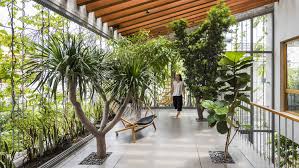
Several case studies have demonstrated the tangible benefits of biophilic design:
- A study by the University of Oregon found that employees in offices with biophilic design elements had 15% higher productivity compared to those in conventional offices.
- Research conducted at a hospital in Pennsylvania showed that patients with views of nature had shorter postoperative stays and took fewer painkillers compared to those without such views.
- A study of schools in California found that students in classrooms with more natural light progressed 20% faster in math and 26% faster in reading compared to students in classrooms with less natural light.
Environmental and Economic Benefits
Beyond human well-being, biophilic design offers significant environmental and economic advantages:
- Energy efficiency: Biophilic design often incorporates natural lighting and ventilation, reducing the need for artificial lighting and HVAC systems. This can lead to substantial energy savings.
- Improved air quality: Indoor plants and green walls act as natural air purifiers, removing pollutants and improving overall air quality.
- Water conservation: Many biophilic designs incorporate water-efficient features and rainwater harvesting systems.
- Increased property value: Buildings with biophilic design elements often command higher rents and sale prices due to their aesthetic appeal and health benefits.
- Reduced absenteeism: In workplace settings, biophilic design has been linked to reduced sick leave and absenteeism, leading to significant cost savings for employers.
A report by Terrapin Bright Green found that integrating views to nature into an office space can save over $2,000 per employee annually in office costs, while the improved productivity could be worth another $2,000 per employee per year.
Key Elements of Biophilic Design
Natural Light and Ventilation
Maximizing natural light and air flow is crucial in biophilic design. Strategies include:
- Large windows and skylights: These allow ample natural light to penetrate the building, reducing the need for artificial lighting.
- Light shelves: These architectural elements reflect daylight deep into interior spaces.
- Atria and courtyards: These open spaces within buildings provide natural light and ventilation to interior areas.
- Operable windows: These allow for natural ventilation and give occupants control over their environment.
- Solar tubes: These devices capture sunlight and redirect it into interior spaces.
Integration of Water Features
Water elements add a dynamic, multi-sensory aspect to biophilic design. Common water features include:
- Fountains: These can range from small tabletop features to large outdoor installations.
- Ponds and reflecting pools: These create a sense of tranquility and can also serve as natural cooling elements.
- Water walls: These vertical water features can act as natural air purifiers and humidifiers.
- Rain chains: These decorative alternatives to downspouts create a visually pleasing water flow during rainfall.
- Aquariums: These bring aquatic life into interior spaces, adding movement and color.
Use of Natural Materials
Incorporating natural materials is essential in biophilic design. Common materials include:
- Wood: Used for flooring, wall paneling, and structural elements, wood adds warmth and texture.
- Stone: Granite, marble, and slate can be used for flooring, countertops, and decorative elements.
- Bamboo: A sustainable alternative to wood, bamboo is versatile and fast-growing.
- Cork: This renewable material is excellent for flooring and wall coverings.
- Natural fibers: Materials like wool, cotton, and jute can be used in textiles and upholstery.
Incorporation of Greenery
Plants are a cornerstone of biophilic design. Ways to incorporate greenery include:
- Indoor plants: Potted plants, hanging baskets, and large floor plants add life to interior spaces.
- Vertical gardens: Also known as living walls, these can cover large wall areas with diverse plant species.
- Green roofs: These provide insulation, reduce urban heat island effect, and create habitats for wildlife.
- Moss walls: Low-maintenance alternatives to living walls that still provide a connection to nature.
- Terrariums: Small, enclosed ecosystems that bring nature to desktops and small spaces.
Biophilic Design in Practice: Real-World Examples
Iconic Biophilic Buildings Around the World
Several buildings around the world exemplify the principles of biophilic design:
- Bosco Verticale, Milan, Italy: These residential towers are covered in over 900 trees and 20,000 plants, creating a vertical forest in the heart of the city.
- The Eden Project, Cornwall, UK: This complex houses thousands of plant species in massive geodesic domes, recreating diverse biomes.
- Singapore’s Changi Airport: Features a 40-meter indoor waterfall and a four-story indoor forest, bringing nature into the travel experience.
- Amazon Spheres, Seattle, USA: These glass domes house 40,000 plants from around the world, providing Amazon employees with a unique workspace.
- PARKROYAL on Pickering, Singapore: This hotel-in-a-garden concept features 15,000 square meters of sky gardens, reflecting pools, and cascading vertical greenery.
Biophilic Design in Residential Architecture
Homeowners can integrate biophilic principles in various ways:
- Green walls: Installing vertical gardens in living rooms or outdoor spaces.
- Natural material finishes: Using wood flooring, stone countertops, or bamboo cabinetry.
- Skylights and sun tunnels: Bringing natural light into interior spaces.
- Water features: Adding small fountains or ponds in gardens or interior courtyards.
- Organic shapes: Incorporating curved lines and natural forms in architecture and interior design.
Commercial and Public Spaces
Biophilic design is increasingly being implemented in various commercial and public spaces:
- Offices: Companies like Google and Apple have incorporated biophilic elements in their headquarters, including indoor gardens, natural light, and views of nature.
- Schools: Green School Bali is an excellent example, with its open-air classrooms made entirely of bamboo and surrounded by nature.
- Hospitals: The Khoo Teck Puat Hospital in Singapore integrates gardens and water features throughout the facility to promote healing.
- Retail spaces: The Apple Store on Michigan Avenue in Chicago features indoor trees and a riverfront plaza, blending the indoors with the outdoors.
- Libraries: The Joe and Rika Mansueto Library at the University of Chicago features a glass dome that allows natural light to flood the reading room.
How to Implement Biophilic Design in Your Projects
Step-by-Step Guide for Architects
Implementing biophilic design requires a thoughtful approach. Here’s a step-by-step guide for architects:
- Site analysis: Assess the natural features of the site, including sunlight patterns, wind direction, and existing vegetation.
- Define goals: Establish clear objectives for the biophilic elements, such as improving air quality, reducing stress, or enhancing productivity.
- Identify opportunities: Look for areas where natural elements can be integrated, such as courtyards, atriums, or rooftop gardens.
- Select appropriate strategies: Choose biophilic elements that align with the project goals and site conditions.
- Integrate with other systems: Ensure biophilic elements work in harmony with other building systems, such as HVAC and lighting.
- Consider maintenance: Design with long-term maintenance in mind, selecting plants and materials that are suitable for the local climate and easy to maintain.
- Evaluate and refine: Use post-occupancy evaluations to assess the effectiveness of biophilic elements and make improvements as needed.
Common Challenges and Solutions
Implementing biophilic design can present several challenges. Here are some common issues and potential solutions:
- Budget constraints:
- Challenge: Biophilic elements can be perceived as costly additions.
- Solution: Focus on cost-effective strategies like maximizing natural light or using local, readily available natural materials. Emphasize long-term savings from increased energy efficiency and productivity.
- Urban limitations:
- Challenge: Limited space and access to nature in dense urban environments.
- Solution: Utilize vertical spaces for green walls, incorporate small water features, or use nature-inspired patterns and materials in interior design.
- Client expectations:
- Challenge: Clients may not understand the value of biophilic design.
- Solution: Educate clients on the benefits of biophilic design, including potential increases in property value and employee productivity. Use case studies to demonstrate successful implementations.
- Maintenance concerns:
- Challenge: Worries about the upkeep of living elements like green walls or water features.
- Solution: Design low-maintenance systems, select hardy plant species, and provide clear maintenance guidelines. Consider automated irrigation systems for plant care.
- Climate considerations:
- Challenge: Harsh climates may limit outdoor biophilic elements.
- Solution: Focus on indoor biophilic strategies and select climate-appropriate plants and materials. Use technology like double-skin facades to create suitable microclimates.
Tools and Resources
To further your understanding and implementation of biophilic design, consider these tools and resources:
- Software:
- Autodesk Revit: Offers plugins for daylight analysis and green building design.
- Ecotect Analysis: Provides environmental analysis tools for building design.
- PlantDesigner: Helps integrate plants into 3D building models.
- Books:
- “Biophilic Design: The Theory, Science, and Practice of Bringing Buildings to Life” by Stephen R. Kellert, Judith Heerwagen, and Martin Mador
- “Nature Inside: A Biophilic Design Guide” by William D. Browning and Catherine O. Ryan
- “The Practice of Biophilic Design” by Stephen R. Kellert and Elizabeth F. Calabrese
- Courses:
- edX: “Biophilic Design and Architecture” offered by TU Delft
- Terrapin Bright Green: Offers workshops and webinars on biophilic design
- Green Building Education Institute: Provides courses on biophilic design principles
- Organizations:
- International Living Future Institute: Offers resources and certification for biophilic design
- Biophilic Cities: A network promoting biophilic principles in urban planning
- World Green Building Council: Provides research and case studies on biophilic design
The Future of Biophilic Design in Architecture
Trends and Innovations
The field of biophilic design is continually evolving. Here are some emerging trends and innovations:
- Biomimicry in architecture: Designing buildings that mimic natural forms and processes, such as the Eastgate Centre in Zimbabwe, which uses termite mound-inspired ventilation.
- Smart biophilic systems: Integration of IoT devices to monitor and maintain optimal conditions for plants and natural elements in buildings.
- Biophilic urban planning: Extending biophilic principles to entire neighborhoods and cities, creating green corridors and urban forests.
- Regenerative design: Going beyond sustainability to create buildings that actively contribute to ecosystem health.
- Virtual nature: Using VR and AR technologies to bring nature experiences to spaces where real nature is not feasible.
The Role of Biophilic Design in Sustainable Architecture
Biophilic design is becoming increasingly intertwined with sustainable architecture practices:
- Energy efficiency: Biophilic elements like green roofs and living walls provide natural insulation, reducing energy consumption.
- Water management: Rainwater harvesting and greywater systems can be integrated with biophilic water features.
- Indoor air quality: Plants and natural ventilation strategies improve air quality without relying on mechanical systems.
- Carbon sequestration: Incorporating extensive greenery in buildings can help offset carbon emissions.
- Biodiversity support: Biophilic buildings can create habitats for local flora and fauna, supporting urban biodiversity.
As we face global challenges like climate change and urbanization, the integration of biophilic design with other sustainable practices will be crucial in creating resilient, healthy, and harmonious built environments.
Frequently Asked Questions (FAQ)
What is the difference between biophilic design and green architecture?
While both biophilic design and green architecture focus on creating more sustainable and environmentally friendly buildings, they have distinct approaches:
- Biophilic design focuses on incorporating natural elements and patterns into built environments to enhance human well-being and connection to nature. It’s primarily concerned with the human experience of space.
- Green architecture, also known as sustainable architecture, focuses on minimizing the environmental impact of buildings through energy efficiency, sustainable materials, and reduced resource consumption. Its primary concern is environmental sustainability.
While these approaches can and often do overlap, it’s possible to have green architecture without biophilic elements, and vice versa. The most effective designs often combine both principles.
Can biophilic design be applied to existing buildings?
Yes, biophilic design can be applied to existing buildings through retrofitting and renovation. Some strategies include:
- Adding indoor plants or creating indoor gardens
- Installing green walls or vertical gardens
- Incorporating natural materials in interior design
- Maximizing natural light through window treatments or adding skylights
- Creating views to nature where possible
- Adding water features or nature-inspired artwork
While some changes may require significant renovation, many biophilic elements can be added with minimal structural changes.
Is biophilic design expensive to implement?
The cost of implementing biophilic design can vary widely depending on the scale and specific elements chosen. While some biophilic features can be expensive (like large-scale green walls or extensive skylights), many can be implemented cost-effectively:
- Using potted plants is an inexpensive way to add greenery
- Natural materials like wood or stone can be used selectively for maximum impact
- Paint colors and patterns inspired by nature are not more expensive than standard options
- Maximizing natural light through smart window placement can reduce lighting costs
It’s important to consider the long-term benefits and potential cost savings of biophilic design, such as increased productivity, reduced absenteeism, and improved energy efficiency, which can offset initial implementation costs.
How does biophilic design improve mental health?
Biophilic design has been shown to have significant positive impacts on mental health through several mechanisms:
- Stress reduction: Exposure to natural elements has been shown to lower cortisol levels, reducing stress and anxiety.
- Improved mood: Natural light and views of nature can boost serotonin levels, enhancing overall mood and reducing symptoms of depression.
- Enhanced cognitive function: Biophilic environments have been linked to improved concentration, creativity, and problem-solving abilities.
- Better sleep: Exposure to natural light cycles helps regulate circadian rhythms, leading to improved sleep quality.
- Increased sense of well-being: Connection to nature fulfills a fundamental human need, contributing to a greater sense of overall well-being and life satisfaction.
These mental health benefits are supported by numerous studies and are a key driver behind the growing adoption of biophilic design principles in various settings, from workplaces to healthcare facilities.
Summarize the Key Points
Biophilic design represents a powerful approach to architecture that reconnects humans with nature in built environments. Throughout this article, we’ve explored:
- The concept and principles of biophilic design
- The numerous benefits it offers for human well-being, environmental sustainability, and economic efficiency
- Key elements of biophilic design, including natural light, water features, greenery, and natural materials
- Real-world examples of biophilic design in various settings
- Practical strategies for implementing biophilic design in projects
- Future trends and the role of biophilic design in sustainable architecture
As we face growing urbanization and environmental challenges, biophilic design offers a way to create spaces that are not only sustainable but also nurturing and restorative for their occupants.
Call to Action
As we conclude this exploration of biophilic design, we encourage you to consider how these principles can be applied in your next project, whether it’s a large-scale architectural endeavor or a simple home renovation. The benefits of connecting with nature through our built environments are clear and substantial.
For those interested in learning more or seeking consultation on biophilic design implementation, consider reaching out to organizations like the International Living Future Institute or local green building councils. These organizations often provide resources, training, and networking opportunities related to biophilic and sustainable design.
Remember, every step towards integrating nature into our built environments is a step towards creating healthier, more sustainable, and more inspiring spaces for all. Let’s embrace the power of biophilic design to shape a better future for our buildings, our cities, and ourselves.
For further information or to discuss how biophilic design can be incorporated into your specific project, please don’t hesitate to contact us. Together, we can create spaces that truly nurture the human spirit and respect our natural world.