
The railway industry is undergoing a significant transformation, driven by technological advancements and the need for more efficient, sustainable, and cost-effective infrastructure development. At the forefront of this revolution is Building Information Modeling (BIM), a powerful tool that is reshaping the way railway projects are conceived, designed, constructed, and maintained.
This article delves into the crucial role that BIM plays in railway infrastructure development, exploring its benefits, key components, challenges, and future trends. We will examine how BIM enhances efficiency and collaboration throughout the lifecycle of railway projects, from initial planning to long-term maintenance.
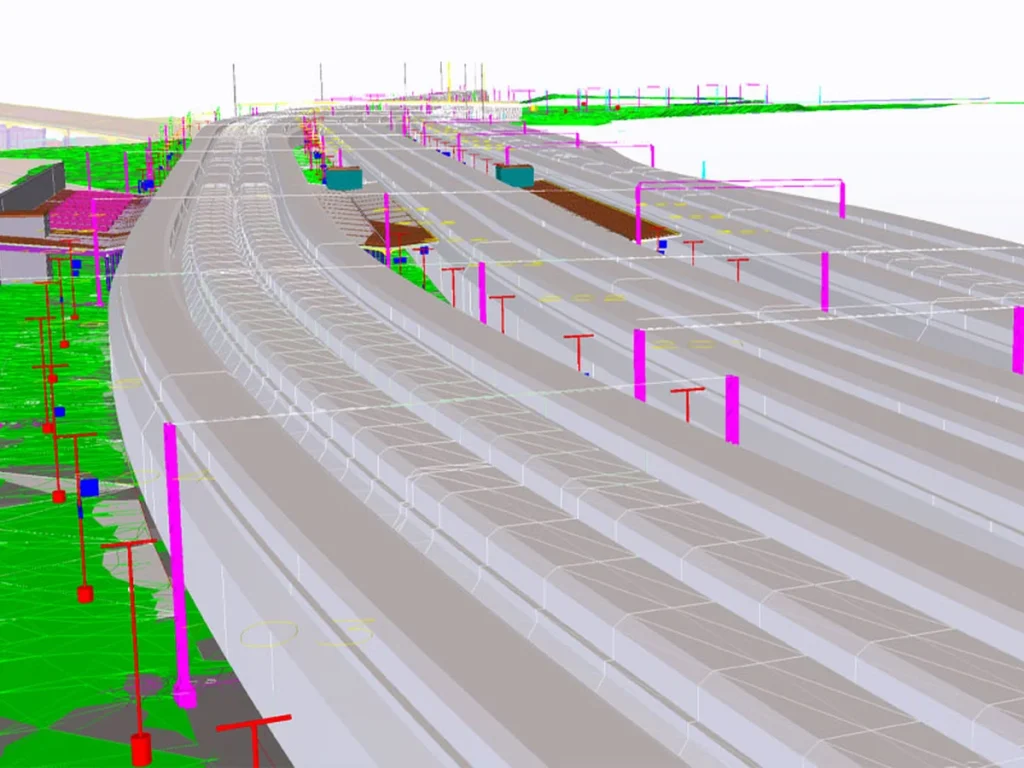
What is Building Information Modeling (BIM)?
Building Information Modeling (BIM) is a digital representation of the physical and functional characteristics of a facility. It goes beyond traditional 3D modeling by incorporating additional dimensions such as time (4D), cost (5D), and asset management (6D). In the context of railway infrastructure, BIM serves as a shared knowledge resource for information about a facility, forming a reliable basis for decisions during its lifecycle from inception onwards.
BIM is not just a technology but a process that enables all stakeholders in a project to collaborate effectively, share information seamlessly, and make informed decisions based on accurate and up-to-date data. It integrates various aspects of design, construction, and operation into a single, coherent system, providing a holistic view of the project.
Importance of BIM in Modern Railway Projects
The implementation of BIM in railway projects has become increasingly important due to several factors:
- Complexity of Railway Systems: Modern railway infrastructure involves intricate systems including tracks, signaling, electrification, and stations. BIM helps manage this complexity by providing a comprehensive view of all components and their interactions.
- Need for Efficiency: With growing populations and urbanization, there’s a pressing need to develop railway infrastructure quickly and efficiently. BIM streamlines processes, reducing time and costs associated with project delivery.
- Sustainability Requirements: As the world focuses on sustainable development, BIM aids in creating more environmentally friendly railway systems by optimizing designs and resource usage.
- Asset Management: Railways require ongoing maintenance and upgrades. BIM facilitates better asset management throughout the infrastructure’s lifecycle.
- Collaboration Demands: Modern railway projects often involve multiple stakeholders across different disciplines. BIM provides a platform for enhanced collaboration and communication.
Overview of Railway Infrastructure Development
Railway infrastructure development encompasses a wide range of elements, including:
- Track systems (rails, sleepers, ballast)
- Signaling and control systems
- Electrification systems
- Stations and terminals
- Bridges and tunnels
- Maintenance facilities
- Rolling stock (trains and carriages)
Developing such complex infrastructure requires careful planning, precise execution, and ongoing maintenance. Traditionally, this process has been fragmented, with different aspects handled separately, often leading to inefficiencies and conflicts. BIM addresses these issues by providing a unified platform for all aspects of railway infrastructure development.
Benefits of BIM in Railway Infrastructure
The adoption of BIM in railway infrastructure projects brings numerous benefits that significantly enhance the efficiency, quality, and overall success of these complex undertakings.
Improved Project Visualization and Planning
One of the most immediate and impactful benefits of BIM is its ability to provide enhanced visualization and planning capabilities:
- 3D Visualization: BIM allows project teams to create detailed 3D models of the entire railway infrastructure. This enables stakeholders to visualize the project in its entirety before construction begins, helping to identify potential issues and optimize designs.
- Clash Detection: By integrating all components of the railway system into a single model, BIM facilitates early detection of clashes or conflicts between different elements (e.g., signaling equipment interfering with overhead electrification systems). This proactive approach saves time and resources by addressing issues in the design phase rather than during construction.
- Scenario Planning: BIM enables project teams to easily create and evaluate multiple design scenarios. This capability is particularly valuable in railway projects where route optimization and station placement can have significant long-term impacts.
Enhanced Collaboration and Communication
BIM serves as a central platform for collaboration, significantly improving communication among various project stakeholders:
- Single Source of Truth: BIM provides a centralized repository for all project information, ensuring that all team members work with the most up-to-date data.
- Real-time Collaboration: Multiple team members can work on the same model simultaneously, with changes reflected in real-time. This capability is especially valuable in large-scale railway projects involving numerous disciplines.
- Improved Stakeholder Engagement: The visual nature of BIM models makes it easier to communicate project details to non-technical stakeholders, including government officials, investors, and the public.
Reduced Errors and Rework
By providing a more accurate and comprehensive view of the project, BIM helps to minimize errors and reduce the need for costly rework:
- Accuracy in Design: BIM’s precision in modeling helps to reduce design errors, ensuring that components fit together correctly in the field.
- Early Issue Detection: Problems that might traditionally only be discovered during construction can be identified and resolved in the design phase, reducing costly on-site changes.
- Improved Coordination: Better coordination between different disciplines (civil, structural, electrical, etc.) leads to fewer conflicts and errors during construction.
Cost and Time Efficiency
BIM contributes significantly to both cost savings and time efficiency in railway projects:
- Accurate Cost Estimation: BIM’s 5D capabilities allow for more precise cost estimations, helping to prevent budget overruns.
- Optimized Scheduling: 4D BIM integrates the project schedule with the 3D model, allowing for better planning and sequencing of construction activities.
- Reduced Waste: By improving accuracy and reducing errors, BIM helps to minimize material waste and unnecessary work.
- Faster Project Delivery: The efficiencies gained through better planning, coordination, and error reduction often lead to faster overall project delivery.
Key Components of BIM in Railway Projects
To fully leverage the benefits of BIM in railway infrastructure development, it’s essential to understand its key components and how they contribute to project success.
3D Modeling and Design
At the core of BIM is its 3D modeling capability, which goes far beyond traditional CAD drawings:
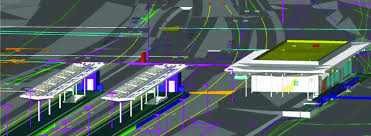
- Detailed Component Modeling: Every element of the railway infrastructure, from tracks and signals to stations and bridges, can be modeled in detail. This includes not just geometry, but also material properties and performance characteristics.
- Parametric Design: BIM allows for parametric modeling, where changes to one element automatically update related components. For example, adjusting the curve radius of a track would automatically update the cant (superelevation) and transition curves.
- Terrain Integration: BIM models can incorporate detailed terrain data, allowing for better integration of the railway with the surrounding landscape and more accurate earthwork calculations.
- Subsurface Modeling: Important for tunnel design and understanding soil conditions, BIM can integrate geotechnical data to create comprehensive subsurface models.
4D Scheduling and Time Management
The fourth dimension in BIM refers to the integration of time-related information:
- Construction Sequencing: 4D BIM allows project managers to visualize the construction sequence, helping to optimize the project timeline and identify potential bottlenecks.
- Resource Allocation: By linking the 3D model with the project schedule, teams can better plan resource allocation, ensuring that materials and equipment are available when and where they’re needed.
- Progress Tracking: The 4D model can be updated with actual progress data, allowing for real-time comparison between planned and actual timelines.
- What-If Scenarios: Project managers can run different scheduling scenarios to determine the most efficient construction approach.
5D Cost Estimation and Budgeting
The fifth dimension adds cost information to the BIM model:
- Quantity Take-offs: BIM can automatically generate accurate quantity take-offs from the 3D model, significantly speeding up the estimation process.
- Cost Database Integration: By linking the BIM model with cost databases, teams can generate detailed cost estimates quickly and accurately.
- Cost Impact Analysis: Changes to the design can be instantly reflected in the cost estimate, allowing for rapid evaluation of design alternatives.
- Cash Flow Projections: The integration of cost and schedule information allows for detailed cash flow projections throughout the project lifecycle.
Asset Management and Maintenance
Often referred to as the sixth dimension of BIM, this component focuses on the long-term management of railway assets:
- Digital Twin: BIM creates a “digital twin” of the railway infrastructure, which can be used for ongoing maintenance and operations.
- Maintenance Scheduling: The BIM model can include information on maintenance schedules and procedures for each component, facilitating proactive maintenance.
- Performance Monitoring: By integrating real-time data from sensors and IoT devices, the BIM model can be used to monitor the performance of railway assets.
- Lifecycle Cost Analysis: BIM enables more accurate lifecycle cost analysis, considering not just initial construction costs but also long-term maintenance and operation expenses.
Case Studies: Successful BIM Implementation in Railway Projects
To illustrate the practical benefits of BIM in railway infrastructure development, let’s examine several case studies from around the world.
High-Speed Rail Projects
Case Study: HS2 (High Speed 2) in the United Kingdom
HS2, the new high-speed railway linking London, Birmingham, Manchester, and Leeds, is one of the most ambitious infrastructure projects in Europe. BIM has been integral to its development:
- Scale and Complexity: With over 300 miles of new track, numerous tunnels, bridges, and stations, HS2 exemplifies the ability of BIM to manage large-scale, complex projects.
- Collaborative Environment: HS2 utilizes a common data environment (CDE) based on BIM principles, allowing seamless collaboration among thousands of engineers, designers, and contractors.
- Environmental Impact: BIM has been crucial in minimizing the environmental impact of HS2, enabling precise planning of route alignments and helping to reduce carbon emissions during construction.
- Public Engagement: The detailed 3D models produced through BIM have been invaluable in communicating the project’s impact to the public and stakeholders.
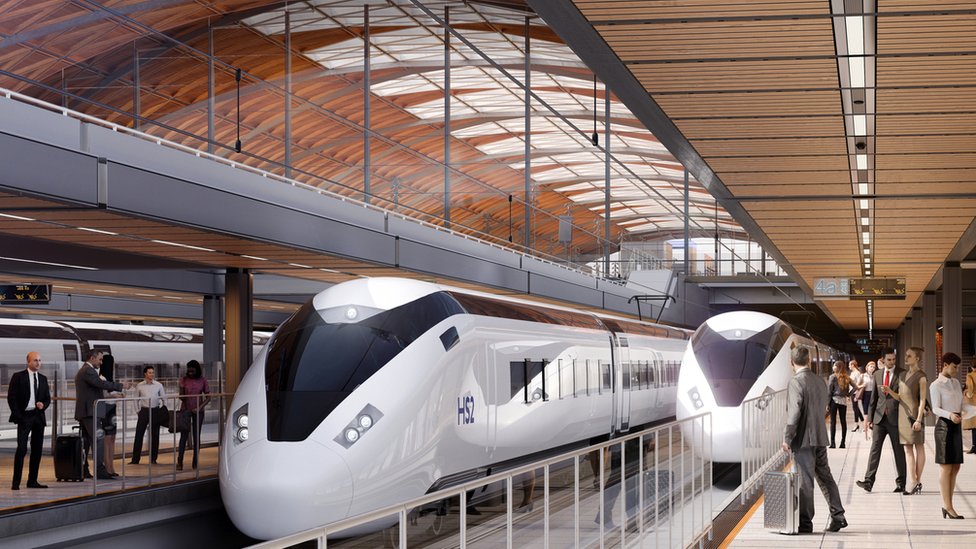
Results: The use of BIM in HS2 has reportedly led to significant cost savings, improved stakeholder engagement, and better environmental outcomes. The project team estimates that BIM has contributed to a 20% reduction in capital expenditure.
Urban Transit Systems
Case Study: Crossrail (Elizabeth Line) in London
Crossrail, now known as the Elizabeth Line, is a major new railway for London and the South East of England. It’s one of the most complex and challenging railway projects ever undertaken in the UK:
- Underground Challenges: BIM was crucial in managing the complexities of building new tunnels and stations in London’s congested underground environment.
- Asset Information Management: Crossrail developed a comprehensive asset information management system based on BIM, which will be used throughout the operational life of the railway.
- Supply Chain Integration: The project used BIM to integrate its extensive supply chain, ensuring that all contractors and suppliers were working from the same, up-to-date information.
- 4D Construction Sequencing: BIM’s 4D capabilities were used to plan and visualize complex construction sequences, particularly in confined underground spaces.
Results: The use of BIM in Crossrail has been credited with saving millions of pounds, reducing project risks, and improving overall project delivery. The asset information system is expected to deliver significant benefits throughout the 120-year design life of the railway.
Cross-border Railway Initiatives
Case Study: Brenner Base Tunnel between Austria and Italy
The Brenner Base Tunnel, a 64km railway tunnel through the Alps between Austria and Italy, is an excellent example of BIM use in cross-border projects:
- International Collaboration: BIM facilitated collaboration between teams in different countries, working under different regulatory frameworks.
- Geological Modeling: The project used BIM to create detailed geological models, crucial for tunnel design and construction in the challenging Alpine environment.
- Logistics Planning: 4D BIM was used to plan the complex logistics of removing excavated material and bringing in construction supplies through the tunnel system.
- Sustainability: BIM helped in optimizing the tunnel design for energy efficiency, including the planning of geothermal energy systems.
Results: The use of BIM in the Brenner Base Tunnel project has improved coordination between the Austrian and Italian teams, enhanced safety planning, and contributed to more accurate cost and time estimations in this complex, long-term project.
These case studies demonstrate the versatility and effectiveness of BIM across various types of railway projects, from urban transit systems to high-speed rail and complex tunneling operations. They highlight how BIM can address challenges specific to railway infrastructure, including underground construction, cross-border collaboration, and long-term asset management.
Challenges and Solutions in BIM Adoption for Railways
While the benefits of BIM in railway infrastructure development are clear, its adoption is not without challenges. Understanding these challenges and their potential solutions is crucial for successful BIM implementation.
Technical and Operational Challenges
Challenges:
- Data Management: Railway projects generate vast amounts of data. Managing, storing, and ensuring the accessibility of this data can be challenging.
- Interoperability: Different software platforms and tools used by various stakeholders may not always be compatible.
- Level of Detail: Determining the appropriate level of detail for BIM models can be difficult, balancing the need for comprehensive information against model complexity and performance.
Solutions:
- Implement robust data management systems and cloud-based solutions to handle large volumes of data.
- Adopt open BIM standards like IFC (Industry Foundation Classes) to improve interoperability.
- Develop clear BIM execution plans that specify the required level of detail for different project stages and components.
Training and Skill Development
Challenges:
- Skill Gap: There’s often a shortage of professionals with the necessary BIM skills in the railway sector.
- Continuous Learning: BIM technology and processes evolve rapidly, requiring ongoing training and development.
Solutions:
- Invest in comprehensive BIM training programs for staff at all levels.
- Partner with educational institutions to develop BIM curricula specific to railway engineering.
- Implement mentoring programs where BIM experts can guide less experienced team members.
Integration with Existing Systems
Challenges:
- Legacy Systems: Many railway organizations have existing systems and processes that may not easily integrate with BIM.
- Data Migration: Transferring data from older systems to BIM platforms can be complex and time-consuming.
Solutions:
- Develop phased integration plans that allow for gradual adoption of BIM alongside existing systems.
- Use middleware solutions to facilitate data exchange between legacy systems and BIM platforms.
- Prioritize data cleaning and validation processes to ensure the accuracy of migrated information.
Overcoming Resistance to Change
Challenges:
- Organizational Inertia: There may be resistance to changing established processes and workflows.
- Cost Concerns: The initial investment in BIM technology and training can be significant.
Solutions:
- Demonstrate the ROI of BIM through pilot projects and case studies.
- Engage leadership in BIM adoption, ensuring top-down support for the change.
- Implement change management strategies to help staff understand and embrace BIM processes.
Future Trends in BIM for Railway Infrastructure
As technology continues to evolve, so too does the potential of BIM in railway infrastructure development. Several emerging trends are shaping the future of BIM in this sector:
Advances in BIM Technology
- Artificial Intelligence and Machine Learning: AI and ML are being integrated into BIM platforms to enhance design optimization, predictive maintenance, and automated clash detection.
- Virtual and Augmented Reality: VR and AR technologies are being used in conjunction with BIM to provide immersive visualization experiences, improving design review processes and stakeholder engagement.
- Cloud-Based BIM: Cloud computing is enabling more collaborative and accessible BIM workflows, allowing real-time updates and remote access to project data.
- Generative Design: This AI-powered design method can automatically generate multiple design options based on set parameters, potentially revolutionizing railway route planning and station design.
Integration with IoT and Smart Railways
The integration of BIM with Internet of Things (IoT) technologies is paving the way for smarter, more efficient railways:
- Real-Time Monitoring: IoT sensors can feed real-time data into BIM models, providing up-to-date information on asset condition and performance.
- Predictive Maintenance: By analyzing data from IoT devices within the context of the BIM model, railway operators can predict maintenance needs more accurately, reducing downtime and costs.
- Passenger Flow Optimization: BIM models integrated with real-time passenger data can help optimize station designs and train schedules.
- Energy Efficiency: Smart systems integrated with BIM can optimize energy use across the railway network, from traction power to station facilities.
Sustainable Railway Development through BIM
Sustainability is becoming increasingly important in infrastructure development, and BIM is playing a crucial role in creating more environmentally friendly railway systems:
- Carbon Footprint Reduction: BIM enables more accurate calculation and visualization of a project’s carbon footprint. This allows designers to make informed decisions to reduce emissions during construction and operation.
- Material Optimization: Through precise quantity take-offs and waste reduction strategies, BIM helps minimize material usage and waste in railway projects.
- Energy Modeling: BIM can be used to model and optimize energy consumption in railway infrastructure, from traction power systems to station HVAC systems.
- Biodiversity Impact Assessment: Advanced BIM tools can integrate environmental data to assess and mitigate the impact of railway projects on local ecosystems.
- Resilience Planning: BIM models can incorporate climate data to help design railway infrastructure that is resilient to future environmental changes and extreme weather events.
Expert Insights on BIM in Railway Development
To provide a well-rounded perspective on the impact of BIM in railway infrastructure development, let’s consider insights from industry experts and professionals.
Industry Expert Opinions
Dr. Jennifer Thompson, Professor of Railway Engineering at Imperial College London, states: “BIM is not just transforming how we design and build railways; it’s changing how we think about the entire lifecycle of railway infrastructure. The ability to simulate and optimize every aspect of a railway system before breaking ground is revolutionizing the industry.”
Mark Bew, Chairman of the UK BIM Task Group, emphasizes the collaborative aspect: “The real power of BIM in railway projects lies in its ability to bring together diverse teams – engineers, architects, contractors, and operators – around a single, data-rich model. This collaboration is key to delivering complex projects on time and on budget.”
Quotes from BIM Professionals in Railway Sector
Sarah Chen, BIM Manager at a major Asian high-speed rail project, shares: “One of the most significant benefits we’ve seen is in clash detection. In a recent project, we identified over 500 clashes before construction began, potentially saving millions in rework costs.”
John Eriksson, Digital Engineering Lead at a European railway authority, notes: “The integration of BIM with asset management systems is a game-changer. We’re now able to make more informed decisions about maintenance and upgrades, significantly extending the life of our infrastructure.”
Practical Tips for Implementing BIM in Railway Projects
For organizations looking to implement or improve their use of BIM in railway projects, here are some practical steps and best practices to consider.
Step-by-Step Implementation Guide
- Assess Current Capabilities: Evaluate your organization’s current BIM capabilities, including software, hardware, and staff skills.
- Develop a BIM Strategy: Create a comprehensive strategy that aligns with your organization’s goals and the specific needs of railway projects.
- Establish BIM Standards: Develop or adopt BIM standards that define processes, data requirements, and deliverables for your projects.
- Invest in Technology: Procure necessary BIM software and hardware, ensuring compatibility with existing systems.
- Train Staff: Provide comprehensive training to staff at all levels, from management to field personnel.
- Start with Pilot Projects: Begin with smaller, less complex projects to gain experience and refine processes.
- Develop a Common Data Environment: Implement a CDE to facilitate collaboration and data sharing.
- Continuously Evaluate and Improve: Regularly assess BIM implementation, gathering feedback and adjusting processes as needed.
Best Practices for Successful BIM Adoption
- Executive Support: Ensure top-level management understands and supports BIM adoption.
- Clear Roles and Responsibilities: Define clear roles for BIM implementation, including BIM managers and coordinators.
- Collaboration Focus: Emphasize the collaborative aspects of BIM, encouraging open communication among all stakeholders.
- Data Quality: Implement rigorous data quality control processes to ensure the accuracy and reliability of BIM models.
- Standardization: Develop and enforce standardized naming conventions, data structures, and workflows.
- Phased Approach: Implement BIM in phases, gradually increasing complexity and scope as capabilities improve.
- Supply Chain Integration: Work closely with suppliers and contractors to ensure they can meet your BIM requirements.
- Continuous Learning: Stay updated on BIM trends and technologies through ongoing training and industry engagement.
Frequently Asked Questions (FAQ)
What is BIM and how does it apply to railway infrastructure?
BIM, or Building Information Modeling, is a digital representation of the physical and functional characteristics of a facility. In railway infrastructure, BIM applies to the entire system, including tracks, stations, signals, and supporting structures. It allows for comprehensive 3D modeling, data integration, and lifecycle management of railway assets.
What are the main benefits of using BIM in railway projects?
The main benefits include improved project visualization, enhanced collaboration among stakeholders, reduced errors and rework, cost and time efficiency, better asset management, and improved sustainability outcomes.
What challenges might arise when implementing BIM in railway infrastructure?
Common challenges include technical issues like data management and interoperability, the need for extensive training, integration with existing systems, and overcoming resistance to change within organizations.
How can BIM improve the sustainability of railway projects?
BIM can improve sustainability by enabling more accurate carbon footprint calculations, optimizing material usage, facilitating energy-efficient designs, assessing environmental impacts, and improving the overall lifecycle management of railway assets.
What are some examples of successful BIM implementation in railway projects?
Successful examples include the HS2 project in the UK, the Crossrail (Elizabeth Line) in London, and the Brenner Base Tunnel between Austria and Italy. These projects demonstrate BIM’s effectiveness in managing complex, large-scale railway infrastructure developments.
Summary of BIM’s Role in Railway Development
Building Information Modeling has emerged as a transformative force in railway infrastructure development. By providing a comprehensive, data-rich digital representation of railway systems, BIM enhances every stage of a project’s lifecycle – from initial planning and design through construction, operation, and maintenance.
The benefits of BIM in railway projects are numerous and significant. It improves visualization and planning, enhances collaboration among diverse stakeholders, reduces errors and rework, increases cost and time efficiency, and facilitates better long-term asset management. Moreover, BIM is proving to be a valuable tool in creating more sustainable and environmentally friendly railway systems.
While challenges exist in implementing BIM, particularly in terms of technology adoption, skill development, and organizational change, the railway industry is increasingly recognizing that these hurdles are worth overcoming. The case studies and expert opinions presented in this article demonstrate that BIM is not just a technological tool, but a new way of thinking about and managing railway infrastructure projects.
The Future of BIM in Railways
Looking ahead, the role of BIM in railway infrastructure development is set to grow even further. Emerging technologies such as artificial intelligence, machine learning, and the Internet of Things are being integrated with BIM, opening up new possibilities for automation, optimization, and smart railway systems.
As the industry continues to embrace digital transformation, BIM will play a central role in creating more efficient, sustainable, and resilient railway networks. From high-speed rail projects spanning countries to complex urban transit systems, BIM is helping to shape the future of rail transportation.
In conclusion, while the adoption of BIM in railway infrastructure development may present challenges, its potential to revolutionize the industry is clear. As more organizations recognize and harness the power of BIM, we can look forward to a future of smarter, more efficient, and more sustainable railways that better serve the needs of a growing and increasingly connected world.