Construction technology has evolved rapidly over the years, and one of the biggest discussions in modern building practice is the comparison between precast concrete and cast in situ concrete. Understanding the precast concrete vs cast in situ concrete differences is essential for civil engineers, contractors, architects, builders, and project owners looking to choose the best construction method for their projects.
Both construction methods are widely used in residential, commercial, industrial, and infrastructure projects. However, each system has unique characteristics, advantages, limitations, and applications. The choice between precast and cast in situ concrete can significantly affect project cost, construction speed, structural performance, durability, labor requirements, and maintenance.
If you are involved in structural engineering or construction management, you may also find this guide on Stages of Structural Design useful for understanding how construction methods fit into the overall structural planning process.
In this comprehensive guide, we will explore the major differences between precast concrete and cast in situ concrete, including their advantages, disadvantages, applications, cost implications, sustainability, and structural behavior.
What Is Precast Concrete?
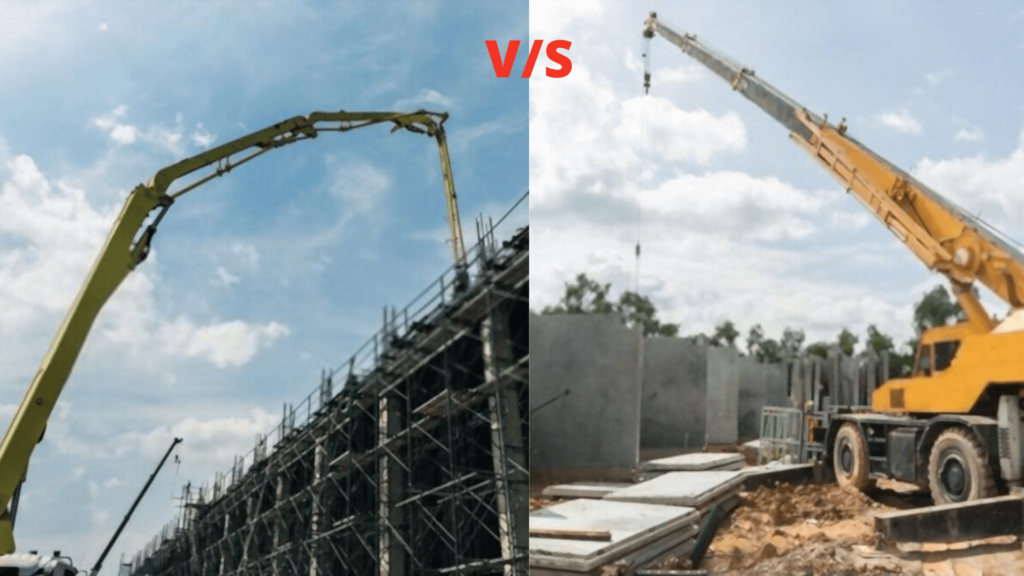
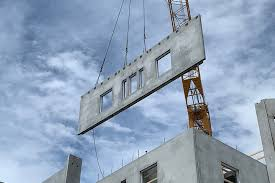
Precast concrete refers to concrete structural elements that are manufactured in a controlled factory environment before being transported to the construction site for installation. These elements are cast in reusable molds under strict quality control conditions.
Precast concrete components are produced in specialized plants using advanced manufacturing techniques that ensure consistency, precision, and high-quality finishes.
Common precast concrete elements include:
- Precast beams
- Precast columns
- Precast slabs
- Precast wall panels
- Precast staircases
- Precast retaining walls
- Precast bridge girders
The use of precast concrete has increased globally because it allows faster construction and improved quality assurance.
How Precast Concrete Is Manufactured
The manufacturing process of precast concrete involves several stages:
1. Mold Preparation
Reusable molds are cleaned and prepared according to the dimensions of the required structural element.
2. Reinforcement Placement
Steel reinforcement bars or mesh are installed inside the mold to improve tensile strength.
For better understanding of reinforcement applications in concrete structures, read Applications of Fiber Reinforced Polymer (FRP) Reinforcement in Concrete Structures.
3. Concrete Pouring
Fresh concrete is poured into the mold under controlled conditions.
4. Curing
The concrete is cured using steam curing or other controlled curing methods to achieve the required strength quickly.
5. Transportation
After curing, the precast elements are transported to the construction site using specialized equipment.
6. Installation
Heavy lifting equipment such as cranes is used to place the precast units into position.
What Is Cast In Situ Concrete?
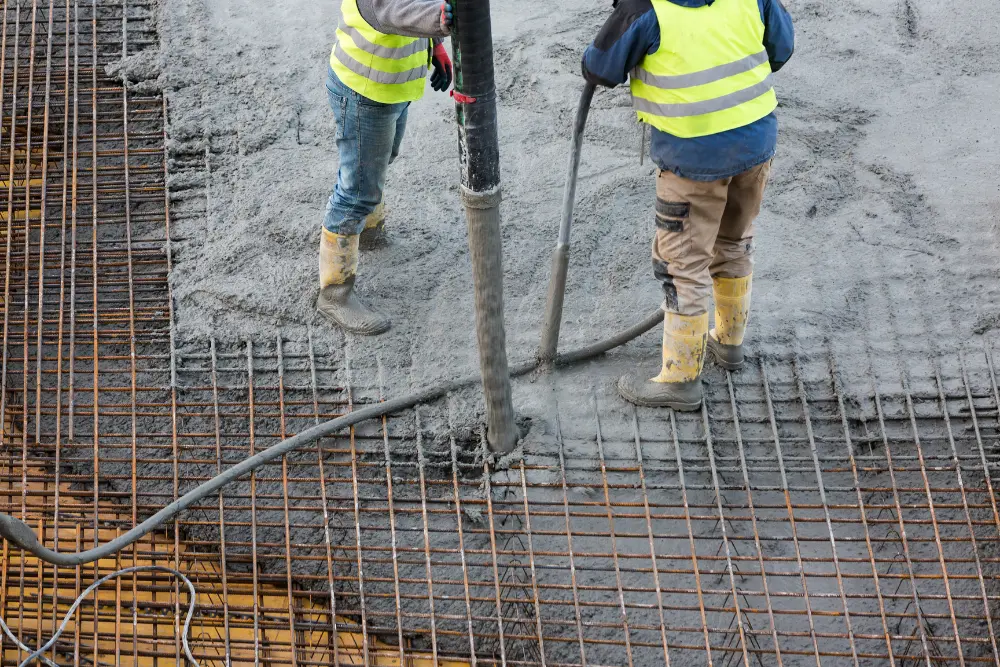
Cast in situ concrete, also known as cast-in-place concrete, refers to concrete that is poured, compacted, and cured directly at the construction site.
Unlike precast concrete, cast in situ concrete is constructed within its final position on-site. This method involves the erection of formwork, installation of reinforcement, concrete pouring, compaction, and curing.
Cast in situ concrete is one of the most commonly used construction methods in building and infrastructure projects because of its flexibility and adaptability.
Common applications include:
- Foundations
- Beams
- Columns
- Slabs
- Retaining walls
- Water tanks
- Basements
If you want to understand where cast in situ systems are commonly applied in foundations, check out Types of Deep Foundations: A Comprehensive Guide.
How Cast In Situ Concrete Works
The construction process for cast in situ concrete includes:
Site Preparation
The construction area is cleared and leveled.
Formwork Installation
Temporary molds known as formwork are erected to contain the concrete.
Reinforcement Placement
Steel reinforcement bars are installed according to structural drawings.
Concrete Pouring
Fresh concrete is poured directly into the formwork.
Compaction
Concrete vibrators are used to remove air voids.
Curing
The concrete is cured on-site for several days to achieve design strength.
Precast Concrete vs Cast In Situ Concrete Differences
Understanding the major precast concrete vs cast in situ concrete differences helps construction professionals make informed decisions.
Difference in Construction Method
The primary difference lies in where the concrete is cast.
- Precast concrete is manufactured off-site in a factory.
- Cast in situ concrete is poured and cured directly on-site.
This difference significantly affects quality control, speed, labor requirements, and logistics.
Difference in Construction Speed
Precast concrete construction is generally much faster than cast in situ construction.
Since precast elements are manufactured before site installation begins, construction activities can occur simultaneously. This reduces overall project duration.
Cast in situ concrete requires sequential construction stages such as formwork erection, reinforcement fixing, pouring, curing, and formwork removal.
As a result, projects using cast in situ concrete usually take longer to complete.
Difference in Quality Control
Precast concrete offers superior quality control because production occurs in a controlled factory environment.
Benefits include:
- Controlled temperature
- Controlled curing conditions
- Accurate batching
- Better supervision
- Consistent quality
In contrast, cast in situ concrete quality may vary due to:
- Weather conditions
- Poor workmanship
- Inconsistent curing
- Site limitations
Difference in Labor Requirement
Precast concrete requires fewer on-site workers because most activities occur in the factory.
Cast in situ concrete requires more labor for:
- Formwork installation
- Reinforcement fixing
- Concrete placement
- Curing
- Formwork removal
This makes cast in situ construction more labor-intensive.
Difference in Cost
Cost comparison depends on project size, transportation distance, labor availability, and construction timeline.
Precast Concrete
- Higher initial investment
- Transportation costs
- Crane and lifting equipment costs
- Reduced labor cost
- Faster completion
Cast In Situ Concrete
- Lower initial setup cost
- Higher labor cost
- Longer project duration
- More material wastage
For large repetitive projects, precast concrete is often more economical.
Difference in Structural Performance
Cast in situ concrete usually provides better monolithic action because all structural elements are connected continuously.
Precast concrete structures depend on joints and connections between units, which may influence structural behavior under seismic or dynamic loads.
However, modern precast connection systems have significantly improved structural reliability.
Difference in Flexibility
Cast in situ concrete offers greater flexibility for complex architectural designs and irregular geometries.
Precast concrete is more suitable for repetitive structural layouts and modular construction systems.
If your project involves specialized structural systems, you may also enjoy reading What Does a Structural Plan Consist Of.
Difference in Weather Dependency
Precast concrete production is less affected by weather conditions because manufacturing occurs indoors.
Cast in situ concrete is highly weather-dependent. Rain, excessive heat, or cold temperatures can affect concrete quality and curing.
Difference in Transportation
Transportation is a major consideration in precast construction.
Large precast units require:
- Heavy trucks
- Escorts
- Special permits
- Cranes
Cast in situ concrete avoids transportation challenges because concrete is poured directly at the site.
Difference in Safety
Precast concrete construction generally improves site safety because:
- Less on-site labor is required
- Reduced scaffolding is needed
- Shorter construction duration reduces exposure to hazards
Cast in situ concrete involves more site operations and therefore higher safety risks.
Advantages of Precast Concrete
Precast concrete offers several important benefits in modern construction.
Faster Construction
Precast units can be installed rapidly, reducing project timelines significantly.
Better Quality Control
Factory production ensures higher consistency and improved structural quality.
Reduced Site Congestion
Fewer materials and workers are needed on-site.
Lower Material Waste
Controlled production minimizes waste.
Improved Durability
Precast concrete often achieves higher strength due to optimized curing conditions.
Better Surface Finish
Factory casting produces smoother and more attractive finishes.
Disadvantages of Precast Concrete
Despite its benefits, precast concrete also has limitations.
Transportation Challenges
Large elements can be difficult and expensive to transport.
Heavy Equipment Requirement
Cranes and lifting systems are necessary for installation.
Connection Complexity
Structural connections between units require careful design.
Higher Initial Investment
Setting up precast facilities can be expensive.
Limited Design Flexibility
Modifications after production are difficult.
Advantages of Cast In Situ Concrete
Cast in situ concrete remains popular because of its flexibility and adaptability.
Greater Design Freedom
Suitable for irregular and complex structures.
Monolithic Construction
Provides continuous structural action.
Reduced Transportation Issues
Concrete is poured directly at the site.
Easy Modifications
Changes can be made during construction.
Suitable for Congested Sites
Ideal for projects with limited transportation access.
Disadvantages of Cast In Situ Concrete
Cast in situ construction also has several drawbacks.
Slow Construction Process
Curing and formwork operations take time.
High Labor Requirement
More workers are needed on-site.
Weather Dependency
Environmental conditions affect concrete quality.
Variable Quality
Workmanship quality can vary significantly.
Increased Material Waste
Site-based construction often generates more waste.
Tabular Comparison Between Precast and Cast In Situ Concrete
| Parameter | Precast Concrete | Cast In Situ Concrete |
|---|---|---|
| Manufacturing Location | Factory | Construction Site |
| Construction Speed | Faster | Slower |
| Quality Control | Excellent | Moderate |
| Labor Requirement | Lower | Higher |
| Design Flexibility | Limited | High |
| Transportation Need | High | Low |
| Weather Dependency | Low | High |
| Site Congestion | Low | High |
| Surface Finish | Better | Moderate |
| Initial Cost | Higher | Lower |
Applications of Precast Concrete
Precast concrete is commonly used in:
- Bridges
- Parking structures
- Industrial buildings
- Residential apartments
- Stadiums
- Flyovers
- Commercial complexes
Precast systems are becoming increasingly popular in modular construction and smart city development.
Applications of Cast In Situ Concrete
Cast in situ concrete is widely used for:
- Foundations
- Retaining walls
- Water retaining structures
- Basements
- High-rise buildings
- Complex architectural projects
You can also explore Materials Suitable for Construction of Load-Bearing Structures for deeper insight into structural material selection.
Sustainability and Environmental Impact
Sustainability is an important consideration in modern construction.
Precast Concrete Sustainability Benefits
- Reduced waste
- Efficient material use
- Lower site pollution
- Better energy optimization
Cast In Situ Sustainability Challenges
- Higher site waste
- Greater water usage
- More environmental disruption
However, transportation emissions associated with precast concrete can offset some sustainability advantages.
Factors to Consider Before Choosing Between Precast and Cast In Situ Concrete
Several factors influence the choice between the two methods.
Project Size
Large repetitive projects favor precast concrete.
Construction Timeline
Fast-track projects benefit from precast systems.
Budget
Smaller projects may favor cast in situ concrete.
Site Accessibility
Difficult access sites may not accommodate large precast elements.
Labor Availability
Areas with labor shortages often prefer precast construction.
Architectural Complexity
Complex designs usually favor cast in situ concrete.
Future Trends in Concrete Construction
The future of concrete construction is evolving rapidly.
Modular Construction
Precast concrete is driving modular building systems worldwide.
Automation
Robotic manufacturing is improving precast production efficiency.
Smart Concrete
Advanced materials and sensors are improving concrete performance.
Sustainable Construction
Low-carbon concrete technologies are becoming increasingly popular.
Innovative structural systems are also reshaping construction trends, as discussed in Function Of Steel Structure In Construction.
FAQs About Precast Concrete vs Cast In Situ Concrete Differences
Which is stronger, precast or cast in situ concrete?
Both can achieve high strength when properly designed and constructed. Cast in situ concrete offers better monolithic action, while precast concrete provides superior factory-controlled quality.
Is precast concrete cheaper than cast in situ concrete?
For large repetitive projects, precast concrete is often more economical due to faster construction and lower labor costs.
Why is precast concrete faster?
Precast elements are manufactured off-site while site preparation continues simultaneously, reducing overall project duration.
Which method is better for high-rise buildings?
Both methods are suitable, but precast systems are increasingly used for rapid high-rise construction.
What are the disadvantages of cast in situ concrete?
The main disadvantages include slow construction, weather dependency, higher labor requirements, and variable quality control.
Can precast concrete be used for foundations?
Yes, precast foundation systems are widely used in modern construction projects.
Which is more environmentally friendly?
Precast concrete generally produces less waste and better resource efficiency, although transportation emissions must also be considered.
Understanding the precast concrete vs cast in situ concrete differences is essential for selecting the right construction method for any project. Both systems have distinct advantages and disadvantages depending on project requirements, budget, construction speed, labor availability, and structural complexity.
Precast concrete excels in speed, quality control, durability, and reduced site labor. On the other hand, cast in situ concrete provides greater flexibility, monolithic action, and adaptability for complex designs.
Ultimately, the best choice depends on the specific needs of the project. Engineers, contractors, and project owners must carefully evaluate all technical, economic, environmental, and logistical factors before making a final decision.
For more structural engineering and construction insights, visit Structotag.