
Adeleke University (AU), Ede, Osun State, offers a Bachelor of Engineering (B.Eng.) in Civil Engineering under the Faculty of Engineering (College of Engineering).
The program is designed to produce graduates who can plan, design, construct, and maintain infrastructure such as buildings, roads, bridges, dams, water‑supply systems, and drainage networks.
If you are a student, parent, or school counselor, this article is tailored to match AU’s current admission policy and to rank well for Google queries such as:
- “Adeleke University Civil Engineering admission requirements 2025/2026”
- “AU Civil Engineering JAMB cut‑off mark 2025/2026”
- “Adeleke University Civil Engineering O’Level requirements”
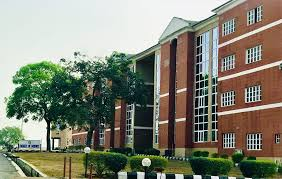
What is the AU Civil Engineering Program?
Adeleke University’s Civil Engineering program is a 5‑year undergraduate degree (B.Eng.) that combines classroom theory, laboratory work, and practical projects.
- Offered by the Department of Civil Engineering, Faculty of Engineering.
- The curriculum is structured to cover structural, geotechnical, hydraulic, transportation, and environmental engineering among other core areas.
- The program is accredited by NUC and aligned with national standards for engineering education.
Civil Engineering at AU is ideal for students who enjoy mathematics, physics, and problem‑solving and who want careers in construction, consulting, infrastructure development, or government agencies.
JAMB Cut‑Off Mark for AU Civil Engineering (2025/2026 – 2026/2027)
Every year, Adeleke University sets minimum JAMB cut‑off marks for its courses, and Civil Engineering is no exception.
General AU UTME Cut‑Off
- Minimum JAMB score for AU admission (all programs): 150 and above.
- However, for most faculties, AU practically uses 160–180 as the working threshold because of competition.
Departmental Cut‑Off for Civil Engineering
- 2025/2026 AU Civil Engineering cut‑off: 180 and above (some sources list 180–200 because of competitiveness).
- 2026/2027 AU Civil Engineering cut‑off: Early‑season estimates still place Civil Engineering around 180–200, in line with AU’s general engineering‑course pattern.
This means:
- 180 is the minimum qualifying score to be considered for AU Civil Engineering.
- 200 and above is strongly recommended to improve your chances, especially when you factor in Post‑UTME performance.
JAMB Subject Combination for AU Civil Engineering
To be eligible for AU Civil Engineering, you must register the correct JAMB subject combination.
UTME Subjects
- English Language
- Mathematics
- Physics
- Chemistry
These four subjects are standard for engineering programs and align with AU’s O’Level requirements.
Direction to JAMB candidates
- Ensure Adeleke University, Ede is your first‑choice institution on JAMB.
- Select Civil Engineering as your first‑choice course under the Faculty of Engineering.
Choosing AU as first choice significantly increases your chances, as AU gives priority to first‑choice candidates.
O’Level (SSCE) Requirements for AU Civil Engineering
O’Level results are as important as JAMB scores for AU Civil Engineering admission.
Required O’Level Subjects
You must have five (5) credit passes in not more than two (2) sittings in the following subjects:
- English Language
- Mathematics
- Physics
- Chemistry
- Any other Science subject (e.g., Biology, Geography) or Technical Drawing
This is AU’s standard O’Level requirement for Civil Engineering and most other engineering programs.
Acceptable Examination Bodies
AU accepts O’Level credits from:
- WAEC
- NECO
- NABTEB
- GCE (O’Level)
You can combine WAEC + NECO + NABTEB as long as:
Direct Entry (DE) Admission Requirements
AU Civil Engineering admits Direct Entry candidates into appropriate levels depending on their qualifications.
Who Can Apply via Direct Entry?
Typical Direct Entry candidates include:
- A‑Level holders (in Mathematics, Physics, Chemistry)
- OND holders (Civil Engineering or related fields)
- NCE holders (with relevant science background)
- JUPEB/IJMB and other approved advanced‑level candidates
Minimum Qualification Standards
- A‑Level: At least two passes (minimum C grade) in Mathematics, Physics, or Chemistry or related science subjects.
- OND: Minimum of Lower Credit in Civil Engineering or closely related engineering programs from a recognized polytechnic.
- NCE: Minimum of Merit in a relevant science‑based program.
- HND/degree holders: May be considered for higher level entry (300/400 level), depending on AU’s current policy.
All Direct Entry candidates must:
- Possess at least five O’Level credits (including English, Mathematics, Physics, and Chemistry).
- Obtain a JAMB Direct Entry form.
How Competitive Is AU Civil Engineering Admission?
AU Civil Engineering is moderately competitive, especially because:
- It is a STEM program in a growing private university with strong industry links.
- The departmental cut‑off is 180, but many applicants score 200 and above.
- Admission also depends on Post‑UTME performance and space availability.
To stand out, you should:
- Aim for JAMB scores of 200+.
- Ensure all five O’Level credits are at C6 or better.
- Prepare seriously for AU Post‑UTME / departmental screening.
AU Civil Engineering Post‑UTME and Screening Details
Adeleke University conducts Post‑UTME and/or faculty screening for admitted candidates, including Civil Engineering aspirants.
2025/2026 – 2026/2027 Post‑UTME Updates
- AU usually begins selling Post‑UTME / admission forms in June–July of each year for the 2025/2026 and 2026/2027 sessions.
- For the 2025/2026 session, AU began sales around July 2025, with applicants required to have 5 O’Level credits (including Mathematics and English) and a JAMB score of 150 or above.
What the Screening Involves
Although the exact pattern can change slightly from year to year, AU typically includes:
- Online or on‑campus written test in:
- Mathematics
- Physics
- Basic Engineering concepts or logical / aptitude questions.
- Sometimes an oral interview or viva for borderline candidates or scholarship consideration.
How to Prepare for AU Post‑UTME
- Revise JAMB‑level Mathematics, Physics, and Chemistry.
- Practice past‑UTME questions for AU and similar private universities.
- Read a little about current infrastructure and civil‑engineering issues (e.g., bridges, roads, sustainable construction).
- Prepare short answers for questions like:
- “Why do you want to study Civil Engineering at AU?”
Step‑by‑Step Application to AU Civil Engineering (2025/2026 – 2026/2027)
If you want to apply for AU Civil Engineering in the 2025/2026 or 2026/2027 session, follow these steps:
1. Register for JAMB (UTME or DE)
- UTME candidates:
- Direct Entry candidates:
2. Visit the AU Official Admission Page
- Go to https://adelekeuniversity.edu.ng → Admissions → How to Apply.
- Confirm that the 2025/2026 or 2026/2027 admission portal is open.
3. Purchase and Fill the AU Admission / Post‑UTME Form
- AU usually sells Post‑UTME / admission forms online.
- Pay the application fee (amount varies by year; check the current AU fee schedule).
- Fill the form with:
- Personal details
- UTME or DE details
- O’Level results
4. Upload Required Documents
AU typically requires the following documents for Civil Engineering applicants:
- O’Level results (WAEC, NECO, NABTEB, GCE) showing five credits in the required subjects.
- JAMB result slip (UTME or DE).
- Birth certificate or age declaration (AU requires applicants to be at least 16 years old).
- Letter of recommendation from school principal or reputable person.
- Passport photograph (recent, clear).
- For Direct Entry:
Ensure that names and details match across all documents and JAMB records.
5. Sit for AU Post‑UTME / Screening
- After successful submission, AU schedules Post‑UTME or departmental screening for Civil Engineering candidates.
- Attend the exam/exercise on the date and time given on your admit slip.
6. Check Admission Status and Pay Fees
- AU releases admission lists and individual admission status on the portal and JAMB CAPS.
- If admitted, proceed to:
- Acceptance payment
Frequently Asked Questions (FAQs)
What is the cut-off mark for Civil Engineering at Adeleke University?
While the general UTME cut-off for Adeleke University is 200, the specific cut-off for Civil Engineering may be higher. It’s best to aim for a score of 220 or above to be competitive. Always check the university’s website or contact the admissions office for the most current information.
Can I apply with a combination of O’Level results from different exam bodies?
Yes, Adeleke University accepts a combination of results from WAEC, NECO, and other recognized examination bodies. However, the required five credit passes must be obtained in no more than two sittings.
Is there a pre-degree or foundation program available for Civil Engineering?
Adeleke University offers a Foundation Program for candidates who do not meet the direct entry requirements. This program can prepare you for admission into the Civil Engineering program. Contact the admissions office for specific details on eligibility and curriculum.
How competitive is the Civil Engineering program at Adeleke University?
The Civil Engineering program at AU is quite competitive due to its excellent reputation and limited spots. To increase your chances, aim for high scores in your O’Level exams and UTME, and prepare thoroughly for the post-UTME screening.
What are the career prospects after graduating with a degree in Civil Engineering from AU?
Graduates of AU’s Civil Engineering program have diverse career opportunities. They can work in construction firms, consulting agencies, government departments, or pursue entrepreneurship. Many graduates also go on to pursue postgraduate studies or specialize in areas such as structural engineering, transportation engineering, or environmental engineering.
Securing admission into the Civil Engineering program at Adeleke University requires careful planning and preparation. By meeting the O’Level requirements, achieving a competitive UTME score, and excelling in the post-UTME screening, you can increase your chances of joining this prestigious program.
Remember that the admission process is holistic, considering not just your academic performance but also your potential and passion for the field. Start your preparation early, stay informed about application deadlines, and put your best foot forward in every aspect of your application.
For the most up-to-date information on admission requirements and procedures, always refer to the official Adeleke University website or contact the admissions office directly. With dedication and the right preparation, you can take the first step towards a rewarding career in Civil Engineering at Adeleke University.
