Choosing a concrete mixer sounds like a minor decision compared to picking a contractor or approving drawings, but the wrong-sized mixer can quietly cost a small building site real money and time — through slow pours, inconsistent mix quality, or a machine sitting idle because it’s too big for the job at hand. This guide walks through the types of mixers available, how to size one correctly for a small residential site in Nigeria, and the practical factors that matter more than headline drum capacity.
Why the Right Mixer Size Matters
A mixer that’s too small for your daily concrete demand forces more batches, more mixing cycles, and more time standing around waiting for the next load — which on a hot site can mean earlier batches start setting before later ones are even placed, creating exactly the kind of cold joints and inconsistent strength a project doesn’t need. A mixer that’s too large, on the other hand, means paying more to buy or rent, more fuel or power draw, and more space taken up on a site where space is often already tight. Getting the size right is really about matching the mixer’s output to your pour schedule, not simply picking the biggest one available.
Types of Concrete Mixers
| Type | How It Works | Best For |
|---|---|---|
| Drum / tilting mixer | A rotating drum that mixes and can be tilted to discharge | The most common general-purpose mixer on small-to-medium Nigerian sites |
| Pan mixer | Fixed pan with rotating blades mixing the load | More consistent, thorough mixing — often preferred where mix quality control matters most |
| Mini mixer with pump | A smaller mixer paired with an integrated pump to convey wet concrete directly to the pour point | Sites where carrying wet concrete by headpan is slow or impractical — upper floors, awkward layouts |
| Self-loading mixer | A mobile, wheeled unit that loads its own raw materials, mixes, and discharges | Larger sites moving significant volumes with less manual labour |
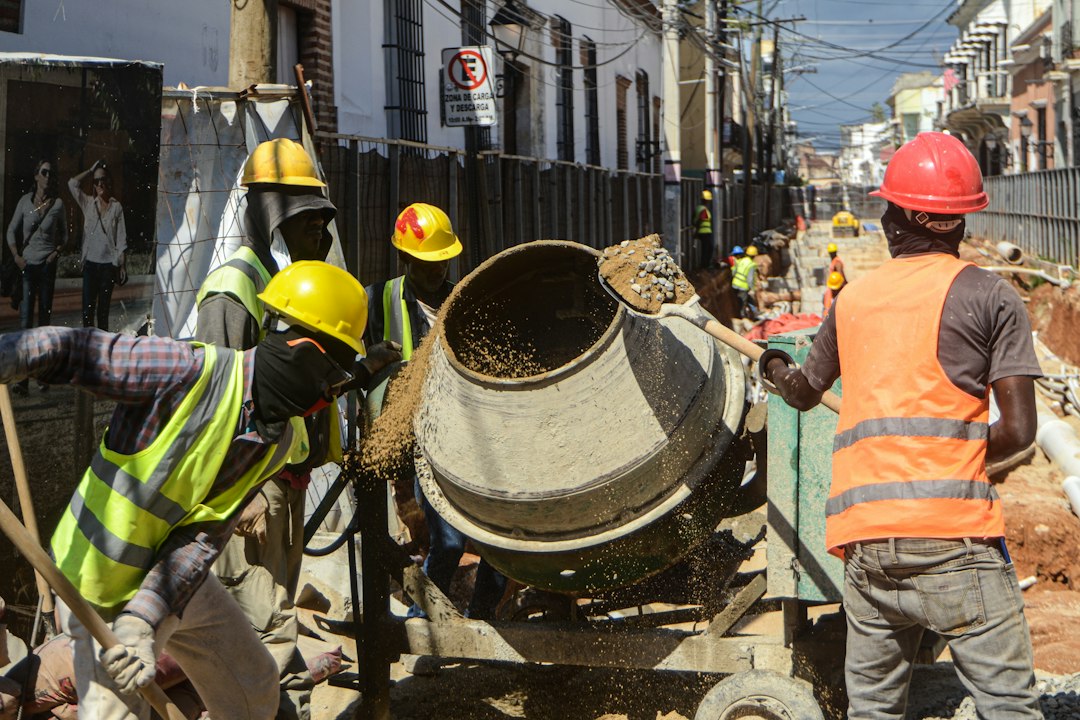
For most small residential builds, a drum/tilting mixer remains the standard choice — it’s widely available, simple to operate and maintain, and sized appropriately for typical daily pour volumes. A mini mixer with a pump becomes worth considering specifically when getting wet concrete from the mixing point to the pour point is itself the bottleneck, such as pouring upper floors or columns spread across an awkward site layout.
Key Factors to Consider When Choosing a Mixer
- Daily concrete demand. Estimate the volume you realistically need to place per day based on your pour schedule, not the largest single pour you might ever do.
- Batch (drum) volume. Match the mixer’s rated batch capacity to a sensible number of batches per pour — too many small batches slows you down; too large a batch for your labour force to place quickly risks part of it starting to set before it’s used.
- Power source availability. Confirm whether your site has reliable electricity for an electric mixer, or whether a petrol/diesel unit makes more sense given your site’s power situation.
- Site access and mobility. A compact site with narrow access may rule out larger or self-loading units regardless of their output advantages.
- Mix consistency needs. For structural elements where consistent mix quality matters most, a pan mixer’s more thorough mixing action may be worth the extra cost over a basic drum mixer.
- Labour available to feed and place. A mixer that can out-produce your labour force’s ability to place concrete before it sets isn’t actually saving you time — match mixer output to realistic placing capacity.
Matching Mixer Size to Project Scale
| Project Scale | Typical Mixer | Notes |
|---|---|---|
| Small residential (bungalow, small duplex) | Small-to-medium drum mixer | Usually sufficient for footings, columns, and slab work done in stages |
| Medium residential / small commercial | Medium-to-large drum mixer, or mini mixer with pump for upper floors | Consider a pump where floor-to-floor concrete transport is the bottleneck |
| Larger builds / multiple simultaneous pour points | Self-loading mixer, or ready-mix truck for major pours | Ready-mix delivery is often more practical than any site mixer once volumes get large enough |
It’s worth noting that for genuinely large pours — a full slab in one go, for example — ready-mix concrete delivered by truck is often more practical and consistent than any site mixer, small or large; site mixers are really at their best for the staged, moderate-volume pours typical of most residential construction.
Manual Loading vs Self-Loading Mixers
Most small-site mixers in Nigeria are manually loaded — cement, sand, aggregate, and water are measured and fed into the drum by hand or shovel, batch by batch. This keeps upfront cost low and the machine simple to maintain, at the cost of more labour and more room for batching inconsistency between loads if measuring isn’t disciplined. Self-loading mixers automate this by scooping and batching materials themselves, reducing labour and improving consistency, but at a significantly higher cost that’s usually only justified once a site is moving large, regular volumes of concrete — not typical for a single small residential build.
Electric vs Petrol/Diesel Mixers
Electric mixers are quieter, have lower running costs where grid power is reliable, and avoid the fuel logistics of a petrol or diesel unit — but they’re only as reliable as your site’s power supply, which on many Nigerian sites means pairing one with a generator anyway. Petrol and diesel mixers are self-contained and unaffected by grid power interruptions, making them the more common practical choice on sites without dependable electricity, at the cost of fuel spend and engine maintenance. If your site already runs a generator for other equipment, an electric mixer sharing that power source can work well; if not, a petrol mixer avoids adding another item to your power budget.
Step-by-Step: Operating a Concrete Mixer Safely
- Position on firm, level ground. An unstable or sloped base can cause the mixer to tip or vibrate excessively during operation.
- Check the drum and guards before starting. Confirm the drum is empty of leftover hardened concrete from a previous batch, and that safety guards around moving parts are in place.
- Add materials in the right order. A common sequence is some water first, then aggregate, cement, and remaining water, though follow your mixer’s specific guidance and your mix design’s water-cement ratio closely.
- Mix for the full recommended time. Rushing the mixing cycle produces an inconsistent mix — most drum mixers need a couple of minutes of full rotation after all materials are added to achieve a uniform mix.
- Discharge promptly and place quickly. Once mixed, get the concrete to the pour point and placed (and vibrated) before it begins to stiffen, especially in Nigeria’s warmer regions where set times can be faster than in cooler climates.
- Clean the drum between different mixes and at the end of the day. Hardened residue left in the drum reduces effective capacity over time and can contaminate future batches.
Common Mixer Mistakes on Site
- Inconsistent batching. Eyeballing quantities instead of measuring consistently between batches is one of the most common causes of variable concrete strength across a single pour.
- Overloading the drum. Exceeding rated batch capacity reduces mixing effectiveness and puts unnecessary strain on the motor or engine.
- Letting mixed concrete sit too long before placing. Especially in hot weather, delays between mixing and placing risk the batch beginning to set before it’s even poured.
- Choosing a mixer size based on price alone. The cheapest available unit isn’t a saving if it’s too small for your pour schedule and ends up costing more in labour time and delayed placement.
- Neglecting daily cleaning. Hardened build-up inside the drum reduces mixing efficiency and effective capacity over the life of the machine.
Maintenance Tips
Wash the drum out thoroughly at the end of each working day before residue hardens, check belts, blades, and moving parts periodically for wear, and keep the engine or motor serviced according to the manufacturer’s schedule rather than only when a problem appears. A well-maintained mixer holds its rated output and mix consistency far longer than one that’s only cleaned occasionally, and catching a worn blade or slipping belt early is far cheaper than replacing a mixer that’s been run hard without upkeep.
Rent or Buy?
For a single small residential project, renting a mixer for the duration of the build is often the more cost-effective choice, avoiding the upfront purchase cost and ongoing storage/maintenance responsibility for a machine you may not need again soon. For a contractor running multiple projects, or a site owner planning to take on more building work over time, owning a mixer — alongside other core equipment like a plate compactor or laser level — starts to pay for itself faster through avoided rental costs and having the tool available whenever it’s needed rather than on a rental company’s schedule.
A Quick Way to Estimate Batches Per Day
A simple way to size a mixer is to work backward from your pour schedule rather than guessing. Take the volume of concrete you need to place on a given pour day (from your Bill of Quantities or the specific structural element being poured), divide it by the mixer’s actual usable batch output — always somewhat less than its rated drum capacity once you account for a full, efficient load — and that gives you the number of batches required. Then check that number against how long each mixing-and-placing cycle realistically takes, including loading, mixing time, transport to the pour point, and placing before the next batch is ready. If the total time for all the batches you need comfortably fits your working day with your available labour, the mixer size is right; if it stretches well beyond a normal working day, either a larger mixer or an additional mixer running in parallel is worth considering rather than pushing a single small unit past its practical limits.
Getting the Right Equipment for Your Project
If you’re weighing mixer size against your specific pour schedule and site layout, StructoTag can help you think it through alongside your Bill of Quantities and broader equipment plan — mixer choice works best decided together with how you’ll consolidate the concrete once it’s placed, rather than as an isolated purchase.
Frequently Asked Questions
What size mixer do I need for a small residential building?
It depends on your daily pour schedule rather than the project’s total size — a small-to-medium drum mixer is typically sufficient for the staged footings, columns, and slab pours typical of a small residential build, since most such pours happen in batches over multiple days rather than all at once.
Is an electric or petrol mixer better for a Nigerian site?
It depends on your site’s power reliability. Electric mixers are cheaper to run where grid power is dependable or where you already have a generator serving other equipment; petrol or diesel mixers avoid power dependency entirely, which is often the more practical default on sites without reliable electricity.
Should I rent or buy a concrete mixer?
For a single small project, renting is usually more cost-effective. If you’re taking on multiple building projects over time, owning a mixer typically pays for itself faster through avoided rental costs.
How long should concrete be mixed in a drum mixer?
Most drum mixers need at least a couple of minutes of full rotation after all materials are added to achieve a uniform mix, though this varies by mixer and mix design — check your specific machine’s guidance.
What’s the advantage of a mini mixer with a pump over a standard mixer?
A mini mixer with an integrated pump conveys wet concrete directly to the pour point, which is a significant advantage when carrying concrete by headpan is slow or impractical — for example, pouring upper floors or columns spread across an awkward site layout.
How often should a concrete mixer drum be cleaned?
At the end of every working day at minimum, and ideally between different mix types during the day — hardened residue left in the drum reduces effective mixing capacity and can contaminate future batches.
Conclusion
The right concrete mixer for a small building site isn’t necessarily the biggest or the cheapest one available — it’s the one that matches your actual daily pour volume, your site’s power situation, and your labour force’s ability to place concrete before it sets. Get that match right, batch consistently, and keep the machine clean and maintained, and a modest drum mixer will serve a typical residential build reliably from foundation to roof.