
Concrete is one of the most durable construction materials in the world, but it is not immune to deterioration. One of the most common forms of concrete damage seen in buildings, bridges, parking structures, balconies, and slabs is concrete spalling. If left untreated, spalling can weaken structural members, expose reinforcement bars, and eventually lead to expensive repairs or structural failure.
Understanding the causes of concrete spalling and how to prevent it is essential for engineers, builders, contractors, and property owners who want to maintain the strength and lifespan of reinforced concrete structures.
Concrete spalling usually begins as small cracks, surface flaking, or chipped concrete. Over time, the problem worsens as moisture enters the concrete and corrodes the steel reinforcement inside. The resulting expansion creates internal pressure that breaks apart the surrounding concrete.
In this comprehensive guide, you will learn:
- What concrete spalling is
- The major causes of concrete spalling
- Early warning signs
- Prevention methods
- Best repair techniques
- Long-term maintenance strategies
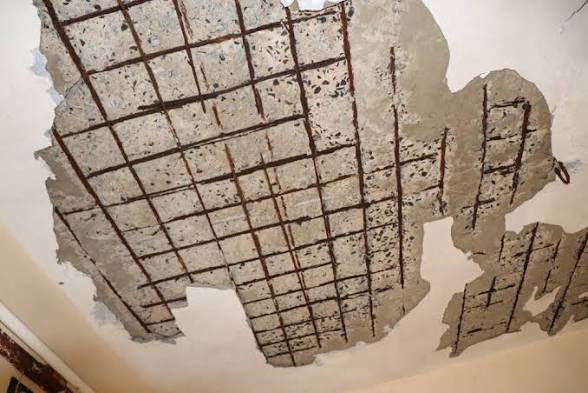
What Is Concrete Spalling?
Concrete spalling refers to the breaking, cracking, peeling, or flaking of concrete surfaces. It often occurs when internal stresses exceed the tensile strength of concrete, causing pieces of concrete to detach from the structure.
Spalling can appear as:
- Surface scaling
- Chipping
- Delamination
- Cracking
- Falling concrete fragments
- Exposed reinforcement bars
In reinforced concrete structures, spalling is commonly associated with corrosion of steel reinforcement.
Why Concrete Spalling Is a Serious Structural Problem
Concrete spalling is not just an aesthetic issue. It can compromise the structural integrity of a building or infrastructure element.
When concrete spalls:
- Reinforcement bars become exposed
- Steel corrosion accelerates
- Structural capacity reduces
- Moisture penetration increases
- Repairs become more expensive
In severe cases, untreated spalling may result in:
This is why routine structural inspection is extremely important.
If you want to understand how reinforcement affects concrete durability, read this detailed guide on reinforced concrete behavior at Structotag
Difference Between Concrete Cracking and Concrete Spalling
Many people confuse concrete cracks with spalling, but they are different problems.
| Concrete Cracking | Concrete Spalling |
|---|---|
| Usually appears as lines on concrete | Involves concrete breaking away |
| May not expose reinforcement | Often exposes steel bars |
| Can be cosmetic | Often indicates deterioration |
| May remain stable | Usually worsens over time |
Cracking often becomes the starting point for spalling because cracks allow water and chemicals to enter the concrete.
Major Causes of Concrete Spalling
1. Corrosion of Reinforcement Steel
Steel reinforcement corrosion is the leading cause of concrete spalling in reinforced concrete structures.
When moisture and oxygen penetrate concrete, they react with the embedded steel reinforcement, causing rust formation. Rust occupies a larger volume than steel, creating expansion pressure inside the concrete.
As pressure increases:
- Internal cracking begins
- Concrete cover separates
- Surface concrete breaks off
Structures near coastal environments are especially vulnerable because chlorides accelerate corrosion.
How Rust Causes Concrete Spalling
The corrosion process occurs in stages:
- Water penetrates concrete
- Oxygen reaches reinforcement
- Steel oxidizes
- Rust expands
- Internal tensile stress develops
- Concrete cracks and spalls
Proper concrete cover thickness is essential for preventing this problem.
2. Poor Concrete Cover
Concrete cover is the distance between reinforcement bars and the concrete surface.
Insufficient cover exposes steel reinforcement to:
- Moisture
- Chlorides
- Carbon dioxide
- Sulfates
Thin concrete cover accelerates corrosion and increases the likelihood of spalling.
Engineers follow standard cover requirements to protect reinforcement from environmental exposure.
3. Water Penetration and Moisture Ingress
Water is one of the biggest enemies of concrete durability.
Excessive moisture penetration can occur due to:
- Poor waterproofing
- Roof leakage
- Drainage problems
- Cracked concrete
- Failed sealants
Once water enters concrete pores, deterioration begins internally.
Water also transports harmful chemicals that attack reinforcement and weaken the concrete matrix.
4. Freeze-Thaw Cycles
In colder climates, freeze-thaw damage is a major contributor to concrete spalling.
When water inside concrete freezes:
- It expands
- Internal pressure increases
- Microcracks develop
- Surface layers detach
Repeated freeze-thaw cycles gradually destroy the concrete surface.
Air-entrained concrete is commonly used in cold environments to reduce freeze-thaw damage.
5. Poor Workmanship During Construction
Poor construction practices significantly reduce concrete durability.
Common workmanship issues include:
- Inadequate compaction
- Poor vibration
- Honeycombing
- Incorrect water-cement ratio
- Improper curing
These defects create weak zones that allow water and chemicals to penetrate the structure easily.
You can learn more about proper concrete practices from this concrete curing guide on Structotag
Inadequate Concrete Compaction
Poor compaction traps air voids inside concrete.
This leads to:
- Honeycombing
- Reduced strength
- Increased permeability
- Faster deterioration
Proper vibration ensures dense and durable concrete.
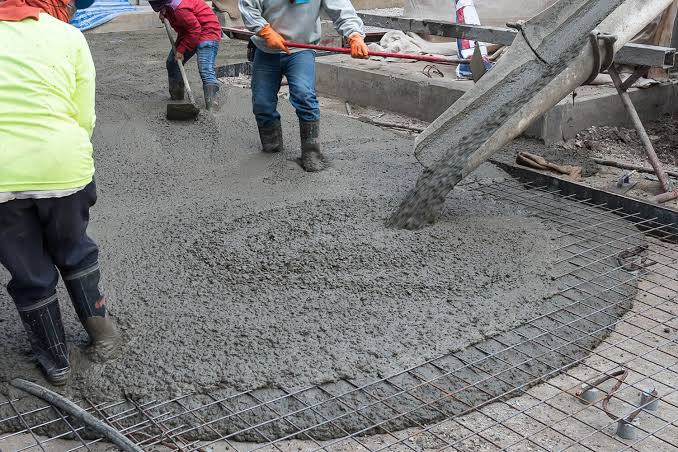
Improper Curing Practices
Concrete curing is essential for hydration and strength development.
Improper curing can result in:
- Surface weakness
- Shrinkage cracks
- Reduced durability
- Increased permeability
Proper curing helps concrete resist environmental attacks.
6. Chemical Attack on Concrete
Concrete structures exposed to aggressive chemicals may experience deterioration and spalling.
Common chemical attacks include:
- Sulfate attack
- Chloride attack
- Acid attack
Chloride Attack
Chlorides penetrate concrete and destroy the protective layer around reinforcement steel.
This accelerates corrosion rapidly.
Structures exposed to seawater or deicing salts are especially vulnerable.
Sulfate Attack
Sulfates react with cement compounds and cause expansion inside concrete.
Effects include:
- Cracking
- Surface scaling
- Strength reduction
- Spalling
7. Carbonation of Concrete
Carbonation occurs when carbon dioxide reacts with hydrated cement compounds.
This process lowers concrete alkalinity and removes the natural corrosion protection around reinforcement steel.
Once carbonation reaches the reinforcement depth:
- Corrosion starts
- Internal cracking develops
- Concrete spalling follows
Older buildings commonly suffer from carbonation-induced spalling.
Early Warning Signs of Concrete Spalling
Detecting spalling early helps reduce repair costs and prevent structural deterioration.
Common warning signs include:
- Rust stains on concrete surfaces
- Surface cracks
- Hollow-sounding concrete
- Bulging concrete areas
- Flaking surfaces
- Exposed reinforcement bars
- Falling concrete pieces
Routine inspections are critical for identifying these symptoms early.
Where Concrete Spalling Commonly Occurs
Concrete spalling can affect many structural components.
Concrete Spalling in Slabs
Slabs are highly exposed to:
- Moisture
- Foot traffic
- Weather changes
- Chemical attack
Parking garage slabs are especially vulnerable.
Concrete Spalling in Beams and Columns
Beams and columns may experience spalling due to:
- Reinforcement corrosion
- Overloading
- Poor concrete cover
Spalling in load-bearing members requires urgent engineering assessment.
Concrete Spalling in Balconies
Balconies are continuously exposed to rainwater and temperature fluctuations.
Waterproofing failure often causes severe balcony spalling.
Bridge and Marine Structures
Marine environments contain high chloride concentrations that accelerate reinforcement corrosion.
Bridges exposed to deicing salts are also highly susceptible.
How to Prevent Concrete Spalling
Preventing concrete spalling is far cheaper than repairing damaged structures.
Use High-Quality Concrete Mixes
Durable concrete should have:
- Low permeability
- Proper water-cement ratio
- Adequate compressive strength
- Suitable admixtures
Good concrete quality slows moisture penetration.
Ensure Adequate Concrete Cover
Proper reinforcement cover protects steel bars from environmental exposure.
Engineers determine cover requirements based on:
- Exposure conditions
- Structural type
- Durability requirements
Use Proper Concrete Compaction Techniques
Proper vibration removes trapped air and creates dense concrete.
Benefits include:
- Improved strength
- Reduced permeability
- Better durability
- Reduced spalling risk
Apply Proper Curing Methods
Effective curing:
- Improves hydration
- Reduces shrinkage
- Enhances durability
- Minimizes cracking
Curing methods include:
- Water curing
- Membrane curing
- Wet coverings
Install Waterproofing Systems
Waterproofing helps prevent moisture ingress.
Important waterproofing measures include:
- Roof membranes
- Sealants
- Drainage systems
- Protective coatings
Protect Reinforcement Against Corrosion
Corrosion-resistant reinforcement options include:
- Epoxy-coated rebars
- Galvanized steel
- Stainless steel reinforcement
Corrosion inhibitors can also improve durability.
Seal Cracks Immediately
Small cracks should never be ignored.
Early crack repair prevents:
- Water penetration
- Reinforcement corrosion
- Expansion of damage
Epoxy injection is commonly used for crack sealing.
Best Repair Methods for Concrete Spalling
Repair techniques depend on the severity of deterioration.
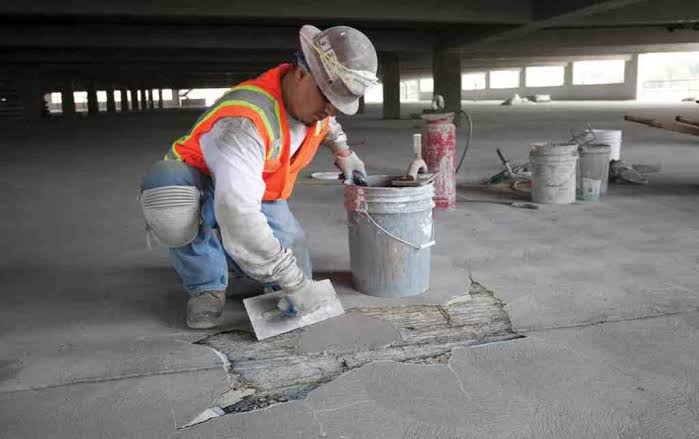
Surface Patching
Minor spalling can be repaired using patch repair mortar.
The damaged concrete is removed and replaced with repair material.
Rebar Cleaning and Treatment
Corroded reinforcement must be:
- Exposed
- Cleaned
- Treated with anti-corrosion coating
Severely damaged bars may require replacement.
Epoxy Injection
Epoxy injection repairs cracks and restores structural continuity.
It also prevents moisture penetration.
Shotcrete Repair
Shotcrete is sprayed onto damaged surfaces under pressure.
It is commonly used for:
- Bridges
- Retaining walls
- Large repair areas
Cathodic Protection Systems
Cathodic protection controls reinforcement corrosion using electrical systems.
This method is widely used in marine structures and bridges.
Step-by-Step Process for Repairing Spalled Concrete
1. Inspect the Damage
Determine the extent and cause of deterioration.
2. Remove Loose Concrete
Unsound concrete must be removed completely.
3. Clean Reinforcement Bars
Rust and contaminants should be eliminated.
4. Apply Corrosion Protection
Protective coatings improve durability.
5. Install Repair Material
Use suitable repair mortar or concrete.
6. Cure the Repair Properly
Proper curing ensures durability and bond strength.
Engineering Principles Behind Concrete Spalling
Concrete spalling is largely controlled by:
- Concrete permeability
- Reinforcement protection
- Environmental exposure
- Internal expansion pressure
Lower permeability means less water penetration and improved durability.
Understanding concrete behavior is essential for designing long-lasting structures.
Cost of Repairing Concrete Spalling
Repair costs vary depending on:
- Severity of damage
- Structural importance
- Repair method
- Accessibility
Minor repairs are relatively affordable, while severe structural rehabilitation can be very expensive.
Early intervention significantly reduces long-term costs.
Maintenance Tips to Prevent Future Spalling
Long-term maintenance strategies include:
- Regular inspections
- Crack sealing
- Waterproofing maintenance
- Drainage improvements
- Protective coatings
- Corrosion monitoring
Preventive maintenance extends structural lifespan and reduces repair expenses.
Frequently Asked Questions About Concrete Spalling
Is concrete spalling dangerous?
Yes. Severe spalling can weaken structural members and create falling concrete hazards.
What is the main cause of concrete spalling?
The most common cause is reinforcement steel corrosion due to moisture penetration.
Can concrete spalling be repaired permanently?
Yes, if the root cause is identified and proper repair methods are used.
How do you stop concrete from spalling?
Use quality concrete, proper curing, waterproofing, adequate concrete cover, and regular maintenance.
Does spalling mean structural failure?
Not always, but severe spalling may indicate serious structural deterioration.
Can rusted reinforcement cause concrete spalling?
Yes. Corrosion expansion creates internal pressure that breaks concrete apart.
How long does concrete spalling repair last?
Properly executed repairs can last for decades with adequate maintenance.
Concrete spalling is one of the most common durability problems affecting reinforced concrete structures. While it may begin as a small surface defect, it can quickly develop into a major structural issue if ignored.
The good news is that most spalling problems are preventable through:
- Good design
- Quality construction
- Proper curing
- Moisture protection
- Routine maintenance
Early detection and timely repairs are critical for maintaining structural safety and extending service life.
Whether you are an engineer, contractor, student, or property owner, understanding the causes of concrete spalling and how to prevent it will help you protect concrete structures from premature deterioration and expensive repairs.
For more structural engineering and construction insights, visit Structotag Official Website