
The art of carpentry revolves around the intricate joining of wood pieces, creating sturdy and visually appealing structures. From the simplest furniture to the most complex architectural marvels, joints play a pivotal role in ensuring the longevity and aesthetic appeal of any woodworking project. Whether you’re a seasoned carpenter or a budding enthusiast, understanding the various types of joints is crucial for achieving professional-grade results.
Basic Concepts of Joinery
A joint in carpentry refers to the method of connecting two or more pieces of wood together. The primary purpose of joints is to create a secure and sturdy bond, while also enhancing the overall structural integrity and visual appeal of the finished product. Proper joinery techniques are essential for ensuring that your woodworking projects stand the test of time and meet your desired functional and aesthetic requirements.
Common Types of Carpentry Joints
Butt Joint
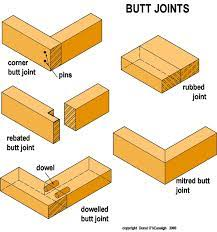
- Description and visual diagram: A butt joint is the simplest type of joint, where two pieces of wood are joined together at their ends, creating a flat surface.
- Common uses: Butt joints are commonly used in framing, paneling, and basic furniture construction.
- Pros and cons: Butt joints are easy to create but require additional reinforcement, such as screws, nails, or adhesives, to ensure structural integrity.
Miter Joint
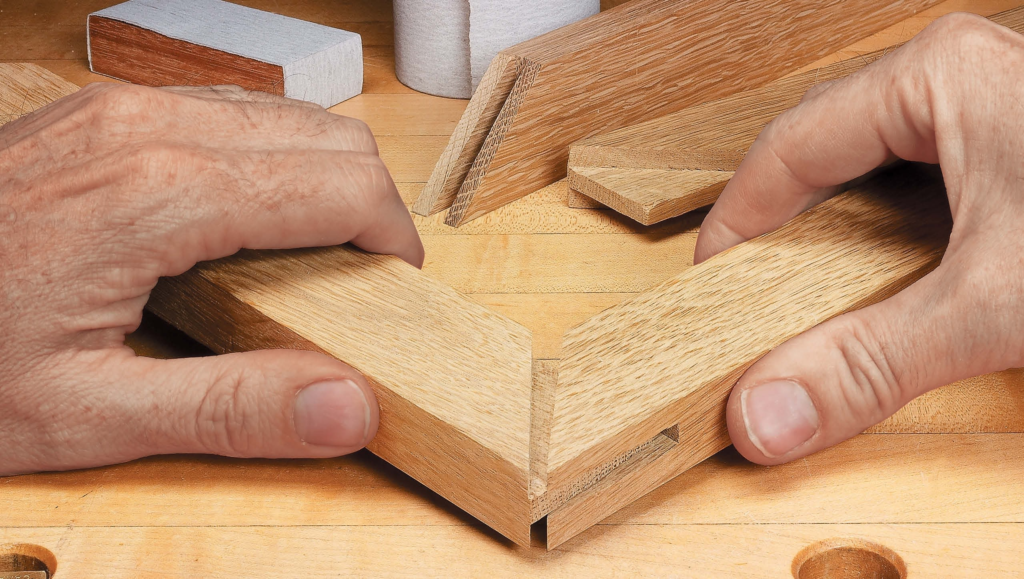
- Description and visual diagram: A miter joint is formed by joining two pieces of wood at an angle, typically 45 degrees, creating a visually appealing corner or frame.
- Common uses: Miter joints are widely used in picture frames, crown molding, and trim work.
- Pros and cons: Miter joints offer a clean and attractive finish but can be challenging to execute accurately.
Lap Joint
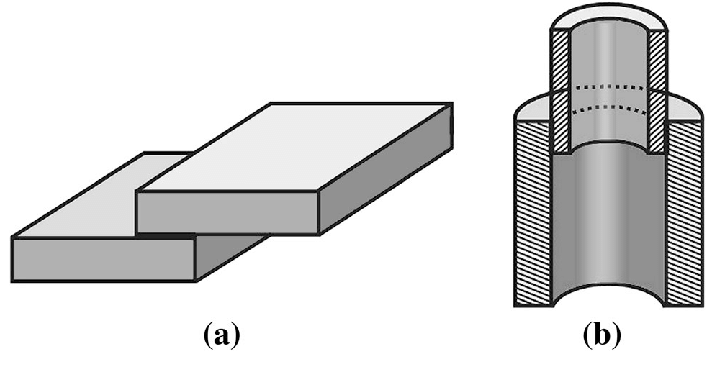
- Description and visual diagram: A lap joint involves overlapping two pieces of wood, where one piece is partially inserted into the other, creating a flat surface.
- Common uses: Lap joints are commonly used in tabletops, shelving, and basic furniture construction.
- Pros and cons: Lap joints provide a strong and rigid connection but can be visually bulky and require precise measurements.
Advanced Carpentry Joints
Dovetail Joint
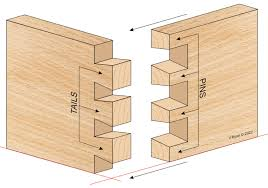
- Description and visual diagram: A dovetail joint is created by interlocking two pieces of wood with a series of trapezoidal-shaped pins and tails, forming a highly secure and attractive joint.
- Common uses: Dovetail joints are widely used in fine furniture, cabinetry, and drawer construction.
- Pros and cons: Dovetail joints offer exceptional strength and visual appeal but can be challenging to execute, requiring precision and skill.
Mortise and Tenon Joint
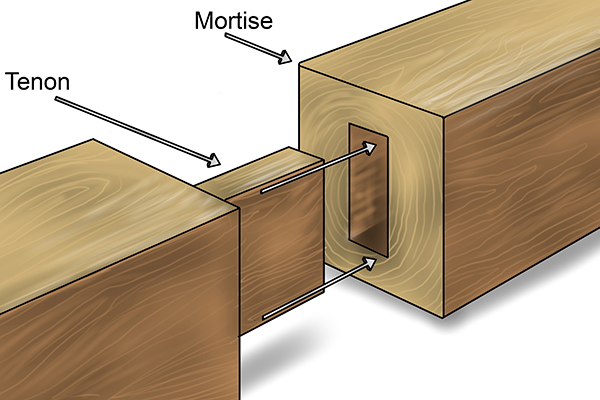
- Description and visual diagram: A mortise and tenon joint involves a protruding tenon (tongue) on one piece of wood that fits into a mortise (hole) in the other piece, creating a strong and stable joint.
- Common uses: Mortise and tenon joints are commonly used in furniture construction, timber framing, and architectural woodwork.
- Pros and cons: Mortise and tenon joints offer excellent strength and stability but can be time-consuming to create, requiring careful layout and precise cutting.
Finger Joint (Box Joint)
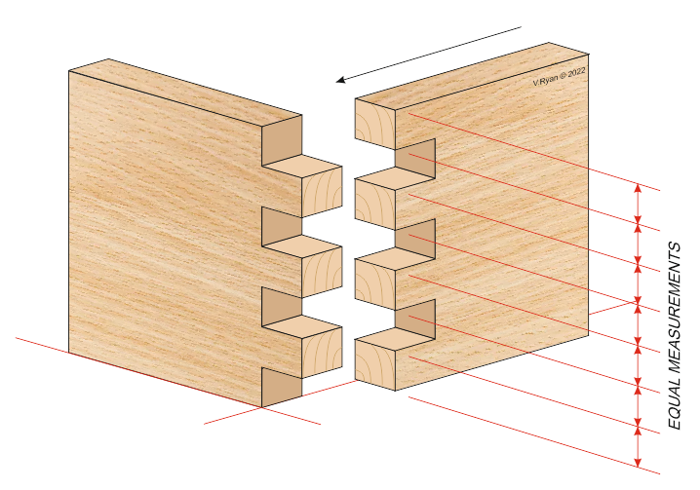
- Description and visual diagram: A finger joint, also known as a box joint, is formed by interlocking a series of rectangular fingers or protrusions on both pieces of wood, creating a strong and visually appealing joint.
- Common uses: Finger joints are often used in cabinetry, boxes, and furniture construction.
- Pros and cons: Finger joints provide good strength and a visually attractive appearance but can be challenging to execute accurately, especially with intricate patterns.
Specialty Joints for Unique Applications
Bridle Joint
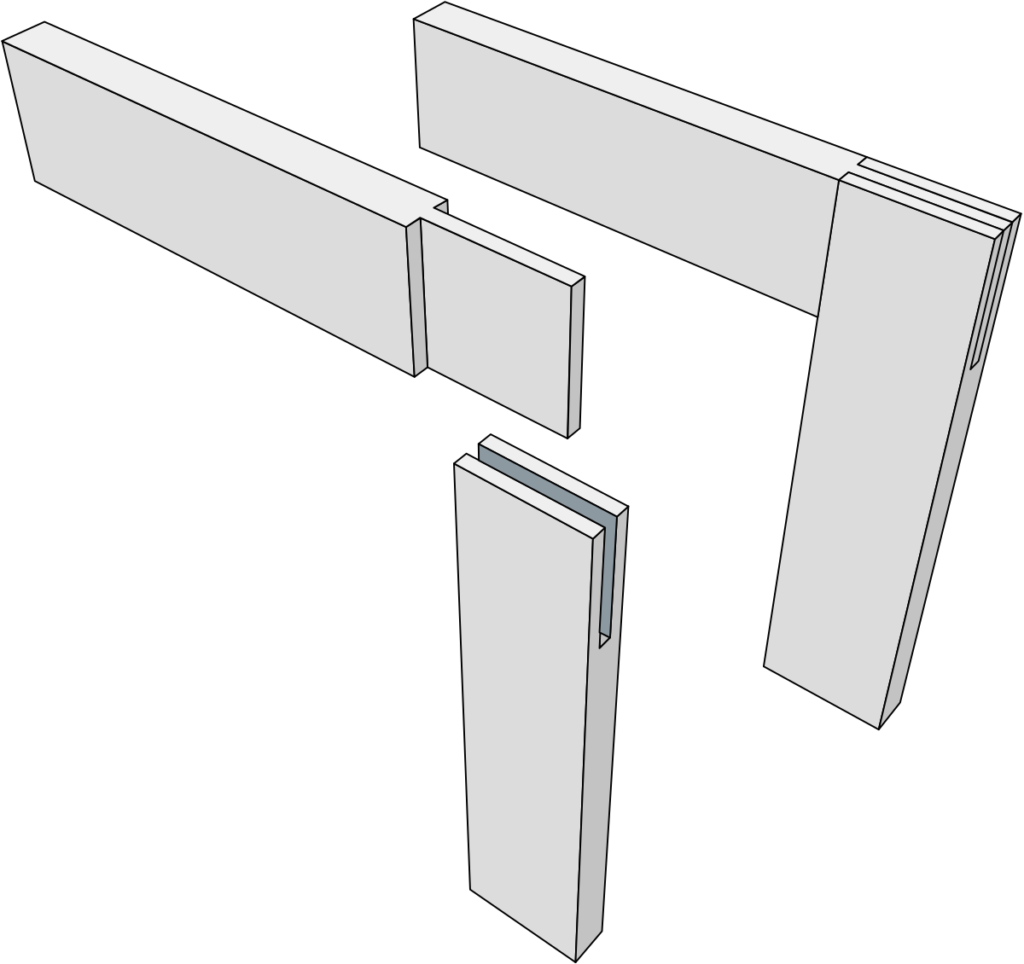
- Description and visual diagram: A bridle joint is a specialized joint used to connect two pieces of wood at right angles, often used in timber framing and construction.
- Specific applications: Bridle joints are commonly used in post-and-beam construction, trusses, and structural framing.
Dowel Joint
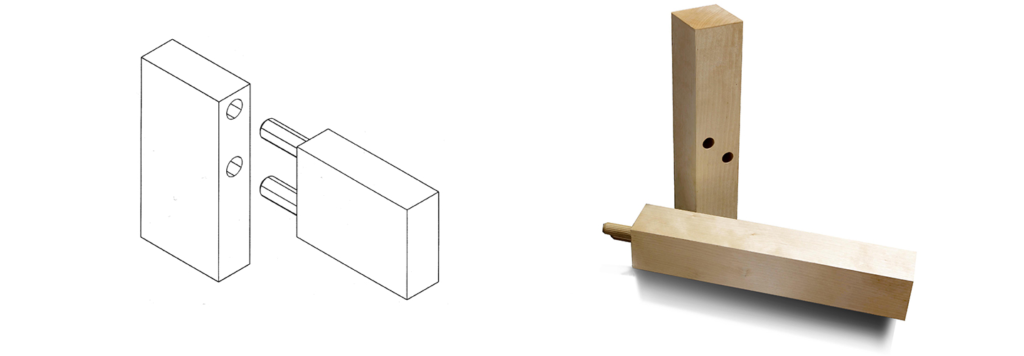
- Description and visual diagram: A dowel joint involves joining two pieces of wood using cylindrical dowels or pegs inserted into pre-drilled holes, creating a secure and reinforced connection.
- Specific applications: Dowel joints are commonly used in furniture assembly, cabinetry, and various woodworking projects.
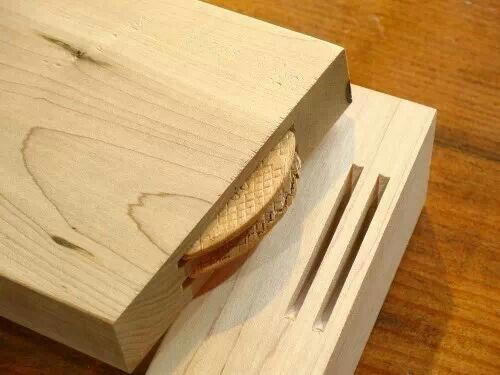
Biscuit Joint
- Description and visual diagram: A biscuit joint is created by inserting a small, oval-shaped wooden biscuit or plate into corresponding slots cut into the edges of two pieces of wood, providing a strong and invisible joint.
- Specific applications: Biscuit joints are often used in cabinetry, shelving, and furniture construction where a seamless and inconspicuous joint is desired.
Tips for Choosing the Right Type of Joint
Selecting the appropriate joint for your project is crucial for achieving the desired strength, aesthetic appeal, and overall success. Here are some factors to consider:
- Strength: For structural projects or load-bearing applications, opt for joints that offer superior strength, such as mortise and tenon, dovetail, or bridle joints.
- Aesthetics: If visual appeal is a priority, consider joints like miter or dovetail, which create clean and attractive connections.
- Skill level: Beginner woodworkers may find butt, lap, or dowel joints more accessible, while advanced joints like dovetail or mortise and tenon require more practice and precision.
- Situational examples: For furniture construction, dovetail or finger joints are excellent choices. For framing and structural projects, mortise and tenon or bridle joints are preferred. For trim work and molding, miter joints are ideal.
Tools and Materials for Creating Effective Joints
To achieve professional-grade joints, having the right tools and materials is essential. Here are some must-haves:
- Essential tools: Saws (hand saws, miter saws, jig saws), chisels, routers, layout tools, clamps, and workbench.
- Recommended materials: Choose the appropriate wood type based on your project requirements (hardwood for strength, softwood for ease of workability). Additionally, high-quality wood glues, biscuits, dowels, and finishing materials are recommended for achieving strong and visually appealing joints.
Best Practices for Carpentry Joints
Proper preparation, assembly, and finishing techniques are crucial for creating long-lasting and visually appealing joints. Here are some best practices:
- Preparation tips: Ensure accurate measurements, layout, and cutting for precise joint fitment. Proper surface preparation, such as deburring and sanding, is also essential.
- Assembly advice: Apply appropriate adhesives or fasteners as needed, and use clamps or jigs for proper alignment during the assembly process.
- Finishing touches: Sand and finish the joints for a smooth and polished appearance. Proper finishing techniques, such as staining or varnishing, can enhance the visual appeal and protect the joints from environmental factors.
Learning and Mastering Carpentry Joints
Becoming proficient in joinery takes time, practice, and dedication. Here are some resources to help you on your journey:
- Workshops and courses: Consider attending woodworking workshops or classes offered by local colleges, community centers, or professional organizations.
- Books and online resources: Explore a wealth of woodworking books, tutorials, and online forums dedicated to joinery techniques.
- Community forums and support groups: Connect with fellow woodworkers, share experiences, and seek guidance from experienced professionals in online communities or local woodworking clubs.
Mastering the art of carpentry joints is a journey that rewards patience, skill, and attention to detail. By understanding the various types of joints, their applications, and best practices, you’ll be equipped to tackle any woodworking project with confidence. Embrace the challenge of learning new joinery techniques, experiment with different joint types, and let your creativity shine through in every piece you create.
FAQ Section
What is the strongest joint in carpentry?
The mortise and tenon joint is widely regarded as one of the strongest and most durable joints in carpentry, particularly for load-bearing applications. Other exceptionally strong joints include dovetail and bridle joints.
How do I decide which joint to use for my project?
Consider factors such as the desired strength, visual appeal, skill level, and specific project requirements. For example, if strength is paramount, opt for mortise and tenon or dovetail joints. If visual aesthetics are crucial, miter or dovetail joints may be more suitable. Assess your skill level and choose joints that align with your experience.
Can you use multiple types of joints in a single project?
Absolutely! Combining different types of joints within a single project is not uncommon. For instance, you might use mortise and tenon joints for