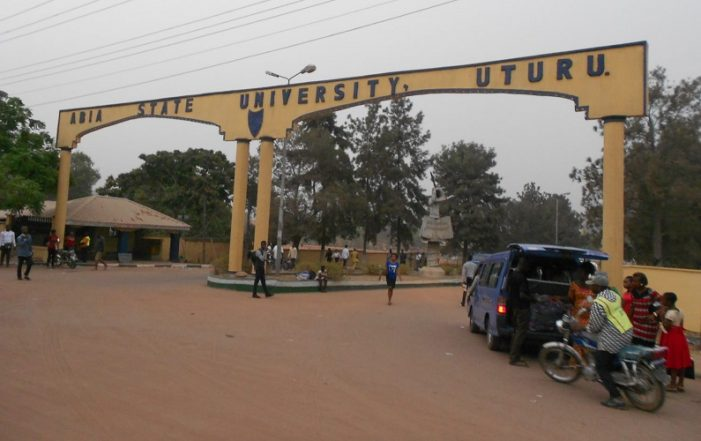
Ahmadu Bello University (ABU) Zaria continues to be a beacon of academic excellence in Nigeria, particularly renowned for its engineering programs. As prospective students prepare for the 2025/2026 academic session, the Department of Civil Engineering remains one of the most sought-after programs at this prestigious institution. This comprehensive guide provides all the essential information you need about ABU Civil Engineering admission requirements, application procedures, and important deadlines.
The competition for Civil Engineering at ABU is intense, with thousands of candidates vying for limited spaces each year. Success requires not only meeting the basic requirements but also understanding the entire admission process, from JAMB registration to Post UTME screening. This article covers everything from eligibility criteria and cut-off marks to application procedures and frequently asked questions, ensuring you have all the tools needed to navigate your admission journey successfully.
Whether you’re a JAMB candidate preparing for the upcoming session or a parent seeking information for your ward, this guide serves as your complete resource for ABU Civil Engineering admission. We’ll explore the university’s admission requirements, screening processes, and provide practical tips to enhance your chances of securing admission into this competitive program.
Overview of ABU Civil Engineering Admission
Ahmadu Bello University, established in 1962 in Zaria, Kaduna State, stands as one of Nigeria’s premier tertiary institutions. Named after the Sardauna of Sokoto, Sir Ahmadu Bello, the university has consistently maintained its reputation for academic excellence and research innovation. With over 60 years of educational excellence, ABU has produced numerous leaders across various sectors in Nigeria and beyond.
The university operates on a vast campus spanning several hectares, accommodating over 35,000 students across its various faculties and institutes. ABU’s commitment to quality education is reflected in its state-of-the-art facilities, experienced faculty members, and comprehensive academic programs that meet international standards.
Is ABU Civil Engineering Admission Form Out for 2025/2026?
Latest Update on Release Date
The ABU Post UTME form for the 2025/2026 academic session is currently available, with registration closing on Thursday, 21st August, 2025. The screening exercise is designed for candidates who made ABU their first choice during JAMB registration and meet the minimum score requirements.
The application form costs N2,000, and all eligible candidates are encouraged to complete their registration as early as possible to avoid last-minute technical issues that could affect their application. The university typically experiences high traffic on its portal as the deadline approaches, so early registration is advisable.
The release of the form follows the established pattern where ABU announces its Post UTME screening shortly after JAMB releases UTME results. This timing allows candidates to assess their performance and determine their eligibility for the screening exercise.
When to Expect the Form if Not Yet Out
For future sessions, ABU typically releases its Post UTME form between June and August, following the release of JAMB UTME results. The university maintains a consistent schedule to ensure candidates have adequate time to prepare for the screening exercise.
Prospective candidates should regularly monitor ABU’s official website and social media channels for announcements regarding form release dates. The university usually provides advance notice before opening registration to allow candidates to prepare necessary documents and payment methods.
It’s important to note that form release dates may vary slightly from year to year based on JAMB’s examination schedule and the university’s internal academic calendar. However, ABU maintains transparency in its communication, ensuring candidates receive timely information about all admission-related activities.
Eligibility Criteria for ABU Civil Engineering Post UTME
JAMB UTME Subjects Required
Civil Engineering candidates must have attempted the correct JAMB subject combination to be eligible for admission consideration. The required UTME subjects for Civil Engineering at ABU are:
Mathematics – This is the most crucial subject as it forms the foundation for all engineering calculations and problem-solving techniques. Candidates must demonstrate strong mathematical skills as the program involves complex calculations in structural analysis, fluid mechanics, and other core areas.
Physics – Essential for understanding the physical principles underlying engineering systems. Topics in mechanics, thermodynamics, and material properties directly relate to civil engineering applications.
Chemistry – Important for understanding material properties, environmental processes, and construction materials. Knowledge of chemical principles is particularly relevant in areas such as concrete technology and environmental engineering.
English Language – Required for all JAMB candidates as it ensures effective communication skills necessary for professional practice and academic success.
Candidates who attempted different subject combinations are not eligible for Civil Engineering admission, regardless of their UTME scores. This requirement reflects the program’s technical nature and the need for strong foundational knowledge in mathematics and sciences.
Minimum JAMB Cut-Off Mark for Civil Engineering
The general JAMB cut-off mark for ABU is 180, but Civil Engineering, being a competitive course in the Faculty of Engineering, typically requires higher scores for successful admission. Individual departmental cut-off marks show that Engineering programs typically require around 190-200 points.
The competitive nature of Civil Engineering means that scoring exactly at the cut-off mark doesn’t guarantee admission. Successful candidates typically score significantly above the minimum requirement, often in the range of 220-280 points, depending on the pool of applicants and available spaces.
The university prioritizes candidates with higher scores when there are limited spaces available, so aiming for the highest possible score increases your chances of admission. The departmental cut-off is determined after considering the number of applicants, available spaces, and the overall performance of candidates.
O’Level Subject Requirements (WAEC/NECO/NABTEB)
Civil Engineering candidates must possess at least five credit passes in relevant O’Level subjects. The specific requirements include:
Mathematics – A credit pass is mandatory as it demonstrates fundamental mathematical competency required for engineering studies. This subject is tested throughout the program in various forms.
English Language – Required for effective communication and academic writing. Professional engineers must communicate complex technical concepts clearly to diverse audiences.
Physics – Essential for understanding engineering principles. The subject covers mechanics, properties of matter, and other topics directly applicable to civil engineering.
Chemistry – Important for understanding material properties and environmental processes. Particularly relevant for courses in materials engineering and environmental studies.
Technical Drawing or Geography or Additional Mathematics – At least one of these subjects is typically required. Technical Drawing is particularly valuable as it relates directly to engineering design and drafting.
Candidates may present results from WAEC, NECO, NABTEB, or equivalent examinations. Results must not be older than five years, and all subjects must be passed at maximum of two sittings. Awaiting results are generally accepted, but candidates must present complete results before final admission confirmation.
ABU Civil Engineering Cut-Off Mark for 2025/2026
JAMB Cut-Off Mark
ABU’s official JAMB cut-off mark for the 2025/2026 session is 180, which applies to all programs across the university. This represents the minimum score required to be eligible for Post UTME screening consideration. However, this general cut-off doesn’t guarantee admission into specific programs, particularly competitive ones like Civil Engineering.
The JAMB cut-off serves as an initial screening mechanism, filtering candidates who meet the basic academic requirements. All candidates with scores below 180 are automatically disqualified from the admission process, regardless of other qualifications they may possess.
It’s important to understand that meeting the JAMB cut-off is just the first step in the admission process. Successful admission depends on multiple factors including Post UTME performance, O’Level results, and overall merit ranking within the specific department.
Departmental Cut-Off Mark
Engineering programs at ABU typically have higher departmental cut-off marks, often around 190-200 points. For Civil Engineering specifically, the departmental cut-off is usually set higher than the general university cut-off due to the program’s popularity and limited capacity.
The departmental cut-off is determined by several factors including the number of qualified applicants, available spaces in the program, and the overall performance distribution of candidates. In highly competitive years, the cut-off may be set even higher to manage the selection process effectively.
Based on historical data and current trends, Civil Engineering candidates should target JAMB scores of at least 220-250 to have competitive chances of admission. This higher target accounts for the program’s popularity and ensures candidates remain competitive throughout the selection process.
Factors Affecting Cut-Off Marks
Several factors influence the determination of cut-off marks each academic year:
Number of Applicants – Higher application volumes typically result in increased cut-off marks as the university seeks to manage the selection process efficiently. Popular programs like Civil Engineering often see thousands of applicants competing for limited spaces.
Available Capacity – The number of spaces allocated to each program directly impacts cut-off determination. Programs with limited physical facilities or faculty capacity maintain higher cut-offs to ensure quality education delivery.
Overall Performance Distribution – The score distribution among applicants influences cut-off decisions. In years where many candidates perform exceptionally well, cut-offs may be adjusted upward to maintain selectivity.
University Policies – Institutional policies regarding admission ratios, diversity requirements, and academic standards affect cut-off determination. ABU maintains high academic standards, which is reflected in its cut-off policies.
Faculty Recommendations – Academic departments provide input on cut-off decisions based on their capacity to deliver quality education and maintain program standards.
How to Apply for ABU Civil Engineering Post UTME
Step-by-Step Application Process
The ABU Post UTME application process is conducted entirely online through the university’s dedicated portal. Here’s a detailed step-by-step guide:
Step 1: Portal Access Visit the official ABU e-forms portal at portal.abu.edu.ng/forms. Ensure you’re using the correct official website to avoid fraudulent sites that may compromise your personal information or payment details.
Step 2: Account Creation New applicants must create a user profile by providing basic personal information including full name, email address, and phone number. Choose a strong password and keep your login credentials secure for future access.
Step 3: Login and Form Selection After account creation, log in using your credentials and select “Post UTME Form” from the available options. Verify that you’re applying for the correct academic session (2025/2026).
Step 4: Personal Information Entry Complete all required fields accurately, including personal details, contact information, and JAMB registration number. Double-check all entries for accuracy as incorrect information may affect your application processing.
Step 5: Academic Information Enter your JAMB details including registration number, UTME score, and subject combination. Also provide O’Level information including examination type, year, and grades obtained in relevant subjects.
Step 6: Course Selection Select Civil Engineering as your preferred course. Ensure this matches your JAMB choice, as discrepancies may disqualify your application.
Step 7: Document Upload Upload scanned copies of required documents in the specified formats. Ensure documents are clear, properly sized, and meet the portal’s technical requirements.
Step 8: Payment Processing Complete the application fee payment using the available payment methods. Keep payment confirmation details for your records.
Step 9: Form Submission and Printing After successful payment, submit your completed form and print your acknowledgment slip. This slip serves as proof of successful registration and contains important information for the screening exercise.
Required Documents for Registration
Prepare the following documents in digital format before beginning your application:
JAMB Result Slip – A clear, colored scan of your original JAMB result printout showing your UTME score and subject combination. Ensure all text is legible and the document is complete.
O’Level Results – Scanned copies of all relevant O’Level certificates (WAEC, NECO, NABTEB). If you have results from multiple sittings, include all certificates that contribute to meeting the five-credit requirement.
Birth Certificate or Age Declaration – Official proof of age, preferably a birth certificate or statutory age declaration. This document must clearly show your full name and date of birth.
Local Government Identification Letter – A letter from your local government area confirming your state of origin. This document is important for determining your admission quota category.
Passport Photograph – A recent colored passport photograph with a clear background. The image should be professionally taken and meet standard passport photo requirements.
All documents should be scanned in JPEG or PDF format, with file sizes not exceeding the portal’s specified limits. Poor quality documents may result in application rejection, so ensure all scans are clear and complete.
ABU Post UTME Portal Link
The official ABU e-forms portal is accessible at portal.abu.edu.ng/forms. Always verify you’re using the correct official website to avoid fraudulent portals that may steal your personal information or money.
The portal is optimized for desktop and mobile browsers, but desktop use is recommended for the best experience, especially when uploading documents. Ensure you have a stable internet connection throughout the application process to prevent data loss.
For technical support or portal-related issues, contact ABU’s ICT support through the official channels provided on the university website. Avoid seeking help from unofficial sources that may provide incorrect information.
Application Fee & Payment Methods
The ABU Post UTME application fee is N2,000 for the 2025/2026 session. This fee covers the cost of processing your application and conducting the screening exercise.
Available Payment Methods:
Online Payment – The preferred method using debit cards (Mastercard, Visa, Verve) through the integrated payment gateway. This method provides instant confirmation and allows immediate form completion.
Bank Payment – Payment can be made at designated banks using the generated payment slip. After payment, you’ll receive a confirmation code to complete your online registration.
Mobile Money – Some mobile payment platforms are integrated with the portal, allowing payment through mobile wallets and USSD codes.
Keep all payment receipts and confirmation codes secure, as they may be required for verification during the screening exercise or admission process. Payment confirmations also serve as proof of application in case of technical issues.

ABU Post UTME Screening Format
Type of Screening (Written or Online?)
ABU conducts its Post UTME screening through computer-based testing (CBT) at designated centers within the university campus. This digital format ensures standardized testing conditions and faster result processing compared to traditional paper-based examinations.
The CBT format presents questions on computer screens with candidates selecting answers using computer interfaces. This system eliminates issues related to answer sheet marking errors and provides immediate score computation upon test completion.
Test centers are equipped with backup power systems and technical support personnel to ensure smooth examination conduct. Candidates are advised to arrive early to complete registration processes and receive briefings on the computer interface.
For candidates unfamiliar with computer-based testing, practice sessions are often available before the actual examination. The interface is user-friendly and requires basic computer operation skills that most candidates possess.
Subjects to Expect in the Post UTME
The ABU Post UTME screening for Civil Engineering focuses on subjects relevant to the program’s academic requirements:
Mathematics – Questions cover topics from secondary school mathematics including algebra, geometry, trigonometry, calculus basics, and statistics. Mathematical problem-solving skills are emphasized as they’re fundamental to engineering studies.
Physics – Covers mechanics, properties of matter, heat, light, electricity, and modern physics. Questions are designed to test understanding of physical principles applicable to engineering systems.
Chemistry – Includes atomic structure, chemical bonding, acids and bases, organic chemistry basics, and material chemistry. Focus is on concepts relevant to construction materials and environmental processes.
English Language – Tests reading comprehension, grammar, vocabulary, and communication skills. Professional engineers must communicate effectively, making this component essential.
Questions are typically multiple-choice format with four or five options per question. The examination tests both factual knowledge and analytical thinking skills, requiring candidates to apply concepts to solve problems rather than simply recalling information.
Tips to Prepare for the Screening Test
Study Plan Development Create a comprehensive study schedule covering all four subject areas. Allocate more time to subjects where you feel less confident, but maintain regular practice in all areas. Start preparation early to avoid last-minute cramming, which is less effective for technical subjects.
Use Quality Study Materials Invest in current JAMB-approved textbooks and past question compilations. Focus on materials that align with the current syllabus and include detailed explanations for answers. Online resources can supplement textbook study but shouldn’t replace fundamental texts.
Practice with Past Questions Regularly solve ABU Post UTME past questions to familiarize yourself with the examination format and question types. Past questions reveal patterns in question presentation and help identify frequently tested topics.
Form Study Groups Collaborate with other Civil Engineering aspirants to share knowledge and solve challenging problems together. Group discussions often clarify difficult concepts and provide different perspectives on problem-solving approaches.
Focus on Understanding Rather Than Memorization Civil Engineering requires analytical thinking, so focus on understanding concepts rather than memorizing facts. Practice applying principles to solve new problems rather than simply recalling information.
Time Management Practice Simulate examination conditions by solving practice tests within time limits. Develop strategies for managing time effectively during the actual examination, including techniques for handling difficult questions without losing valuable time.
Stay Updated with Current Affairs While not directly tested, general knowledge about engineering developments and current events may appear in some questions. Stay informed about major engineering projects and technological developments in Nigeria.
Important Dates to Note
Application Starting and Closing Date
Registration for ABU Post UTME 2025/2026 runs from Monday, 4th to Thursday, 21st August, 2025. This provides candidates with approximately two and a half weeks to complete their applications, which should be sufficient time for thorough preparation and submission.
The application period is strategically scheduled to allow candidates adequate time to gather required documents, complete payment processes, and submit their forms without rushing. However, early application is strongly recommended to avoid potential technical issues or last-minute complications.
Candidates should note that the portal may experience high traffic as the deadline approaches, potentially causing slow loading times or temporary access issues. Completing applications early helps avoid these peak-period challenges and ensures successful submission.
Late applications are typically not accepted under any circumstances, so strict adherence to the deadline is essential. The university maintains this policy to ensure fair treatment for all candidates and to maintain its examination schedule.
Post UTME Screening Date
While specific screening dates for the 2025/2026 session haven’t been officially announced, ABU typically conducts Post UTME screenings in September, shortly after the application deadline. Based on historical patterns, candidates should expect screening exercises to commence in the first or second week of September 2025.
The screening exercise usually spans several days to accommodate all qualified candidates across different programs. Civil Engineering candidates are typically scheduled alongside other engineering disciplines to optimize resource utilization and examination logistics.
Candidates receive specific examination dates, times, and venue information through the portal after successful registration. This information is also sent to registered email addresses and phone numbers, emphasizing the importance of providing accurate contact details during application.
It’s crucial to remain available during the likely screening period and avoid scheduling other commitments that might conflict with the examination. The university rarely accommodates requests for examination rescheduling due to personal commitments.
Release Date for Admission List
ABU typically releases admission lists in phases, beginning approximately 4-6 weeks after the completion of Post UTME screening exercises. For the 2025/2026 session, candidates should expect preliminary admission lists to be available in October or November 2025.
The first admission list usually contains candidates with the highest combined scores from JAMB UTME and Post UTME screening. Subsequent lists may be released depending on space availability and candidate acceptance rates.
Admission list release follows a systematic process involving score compilation, merit ranking, and verification procedures. The university ensures thorough review of all applications before making final admission decisions.
Candidates are advised to regularly check the admission portal and maintain active communication channels during this period. Admission offers are typically time-limited, requiring prompt acceptance and completion of admission requirements.
How to Check ABU Admission Status
Via JAMB CAPS
The Joint Admissions and Matriculation Board Central Admission Processing System (JAMB CAPS) serves as the primary platform for checking admission status into Nigerian universities. Candidates can access CAPS through the official JAMB website at www.jamb.gov.ng.
To check your admission status through CAPS:
- Log into your JAMB profile using your username and password
- Navigate to the “Check Admission Status” section
- Your admission status will display if ABU has uploaded your admission offer
- Accept the admission offer if successful and proceed with required documentation
JAMB CAPS provides real-time updates on admission status, making it the most reliable source for admission confirmation. The system also facilitates the acceptance process and provides guidance on next steps for successful candidates.
Candidates should regularly monitor CAPS during the admission period as offers may be time-sensitive. Failure to accept admission offers within specified timeframes may result in forfeiture of the opportunity.
Via ABU Admission Portal
ABU also provides admission status information through its dedicated admission portal at portal.abu.edu.ng. This platform offers additional details about the admission process and specific requirements for successful candidates.
To check admission status on ABU portal:
- Visit the official ABU portal
- Log in using your Post UTME registration credentials
- Navigate to the admission status section
- View detailed information about your application status and next steps
The ABU portal often provides more detailed information than JAMB CAPS, including specific requirements for newly admitted students, fee payment instructions, and registration procedures. This platform serves as a comprehensive resource for managing your admission process.
Both platforms should show consistent information regarding your admission status. Any discrepancies should be reported to the appropriate authorities for resolution before proceeding with admission acceptance.
FAQs About ABU Civil Engineering Admission
Can I Apply with Awaiting Result?
Yes, ABU generally accepts applications from candidates with awaiting O’Level results, provided they meet other eligibility criteria including JAMB score requirements and correct subject combinations. However, candidates must present complete O’Level results before final admission confirmation and registration.
When applying with awaiting results, clearly indicate this status in your application and specify the examination body and expected result release date. This information helps the admission office plan verification timelines and processing schedules.
Candidates with awaiting results should monitor their examination bodies’ result release schedules closely and submit required documentation immediately upon availability. Delay in result submission may affect admission processing and could result in offer forfeiture.
It’s important to have reasonable confidence in your awaiting result performance, as failure to meet O’Level requirements will result in admission cancellation regardless of JAMB and Post UTME performance.
What if I Didn’t Choose ABU as First Choice?
ABU requires candidates to have chosen the university as their first choice during JAMB registration to be eligible for Post UTME screening. Candidates who selected ABU as second choice or lower are generally not eligible for direct admission consideration.
However, JAMB provides a change of course/institution window after UTME results are released. Candidates can modify their first choice to ABU during this period, but must ensure they complete the change before ABU’s Post UTME registration begins.
The change of course facility is typically available for a limited time and may require additional fees. Candidates should monitor JAMB announcements regarding change of course timelines and procedures to avoid missing this opportunity.
After successfully changing to ABU as first choice, candidates can proceed with Post UTME application following standard procedures. The change must be reflected in their JAMB profile before ABU Post UTME registration closes.
Can I Change My Course After Applying?
Course changes after Post UTME application submission are generally not permitted as the screening exercises are subject-specific and admission quotas are managed by individual departments. Civil Engineering candidates must have selected this course during both JAMB registration and Post UTME application.
In exceptional circumstances, candidates may request course changes through formal petitions to the university administration. However, such requests are rarely approved unless there are compelling academic or administrative reasons.
The best approach is to carefully consider your course choice before application submission. Research the curriculum, career prospects, and personal interests thoroughly to make an informed decision that you’re comfortable maintaining throughout the admission process.
If you’re unsure about Civil Engineering, consider exploring the program details, speaking with current students or alumni, and assessing your academic strengths in mathematics and sciences before committing to the application.
Encouragement and Final Tips for Aspirants
The journey toward securing admission into ABU’s Civil Engineering program requires dedication, thorough preparation, and strategic planning. While the competition is intense, success is achievable for candidates who approach the process systematically and maintain focus on meeting all requirements.
Remember that admission success depends on multiple factors including JAMB performance, Post UTME scores, and O’Level results. Excellence in all areas provides the best foundation for competitive positioning among the candidate pool. Don’t rely solely on meeting minimum requirements; aim for excellence in every component of the admission process.
Time management throughout the application process is crucial. Start early, gather all required documents well in advance, and complete your application before the deadline to avoid last-minute stress. Early preparation also allows time for addressing any unexpected challenges that may arise.
Stay informed about all admission-related updates through official channels including ABU’s website, social media platforms, and JAMB communications. Avoid relying on unofficial sources that may provide incorrect information leading to costly mistakes.
Network with current students, alumni, and other aspirants to gain insights into the program and admission process. These connections can provide valuable perspectives and support throughout your journey.
Maintain realistic expectations while staying optimistic about your chances. Have backup plans including alternative courses or institutions, but don’t let this diminish your commitment to your primary goal of studying Civil Engineering at ABU.
Financial planning is essential for successful admission and study completion. Beyond admission fees, consider costs for acceptance fees, registration, accommodation, and living expenses. Early financial preparation prevents challenges that could derail your academic journey.
Link to Related Posts
For comprehensive preparation, consider exploring additional resources about ABU admission requirements:
Bookmark this page for updates as we continue to monitor ABU admission developments and provide updated information throughout the 2025/2026 admission cycle.
Your success in securing admission to ABU Civil Engineering program is possible with proper preparation, dedication, and adherence to all requirements. Stay focused, work diligently, and approach each step of the process with confidence and determination. The opportunity to join one of Nigeria’s most prestigious engineering programs awaits your successful navigation of the admission process.
The foundation you build today through thorough preparation and strategic planning will serve you well not only in securing admission but also in succeeding throughout your academic journey at ABU. Remember that admission is just the beginning; the real journey of becoming a professional civil engineer starts with your commitment to excellence from the very first step of the application process.