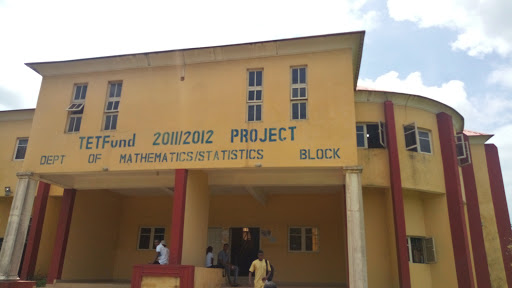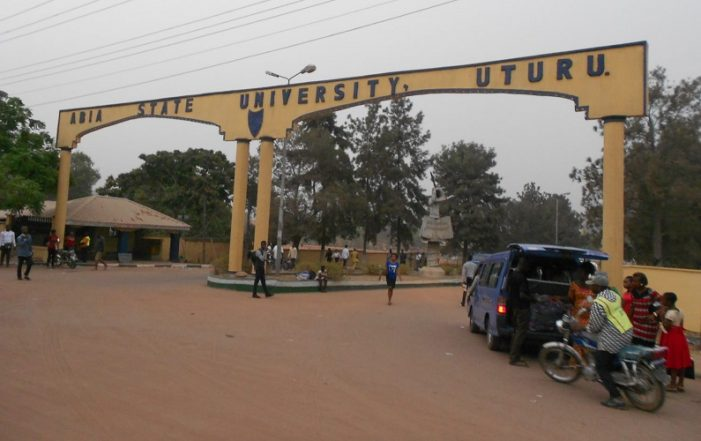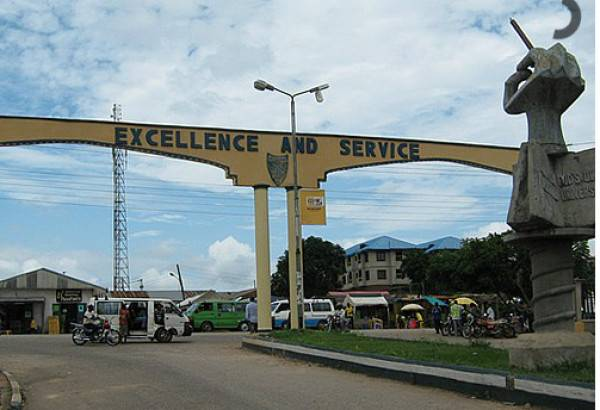
This article provides accurate, up-to-date information about Abia State University (ABSU) school fees specifically for Civil Engineering students during the 2025/2026 academic session. We break down all fee components, payment procedures, and additional costs that prospective Civil Engineering students need to budget for.
Understanding the exact fee structure matters significantly for prospective students and their families. Proper financial planning prevents last-minute payment issues that could affect registration, course enrollment, or academic progress. This guide covers acceptance fees, tuition costs, payment deadlines, and practical tips for securing funding.
The information presented here draws from official ABSU sources and recent fee schedules to help you make informed decisions about your Civil Engineering education investment.
Overview of Abia State University (ABSU)
Abia State University operates with a vision to become a globally recognized institution, standing among the world’s best universities. Located in Uturu, Abia State, this public university was established in 1981 and has grown to become one of Nigeria’s respected higher education institutions.
The university’s mission focuses on producing skilled graduates and postgraduates with strong character who can provide expert workforce for Nigeria’s development. This approach emphasizes research development, knowledge sharing, and entrepreneurial training to build a more productive economy.
ABSU’s Faculty of Engineering houses the Civil Engineering department alongside other engineering disciplines. The Civil Engineering program maintains accreditation standards and offers both undergraduate and postgraduate degrees. The department features modern laboratories, experienced faculty members, and partnerships with industry professionals to ensure students receive practical, relevant education.
The Uturu campus provides a conducive learning environment with adequate infrastructure, including lecture halls, laboratories, library facilities, and student accommodation options.
School Fees for Civil Engineering (2025/2026 Academic Session)
Based on current fee schedules, Civil Engineering students at ABSU face several fee categories for the 2025/2026 academic session:
Acceptance Fee: ₦40,000 for the 2024/2025 academic session, with similar amounts expected for 2025/2026. This one-time payment confirms your admission acceptance and reserves your place in the program.
Accreditation Fee: ₦30,000 as indicated in recent fee structures. This fee supports program accreditation maintenance and quality assurance processes.
Development Fee: ₦50,000 listed for various programs, contributing to infrastructure development and facility improvements across the campus.
Tuition Fee: The total school fees for freshers at ABSU amounts to ₦243,500 or ₦112,000, with tuition fees of ₦112,000 or ₦243,500 based on the course of study. For Civil Engineering specifically, students should expect fees in the higher range due to the technical nature of the program and laboratory requirements.
The total first-year cost for Civil Engineering students typically ranges from ₦232,000 to ₦383,500, depending on indigene status and specific program requirements.
Indigenous vs. Non-Indigenous Fees
ABSU implements different fee structures for indigenous and non-indigenous students:
Indigenous Students: Residents of Abia State who can provide valid certificates of origin or local government identification receive reduced tuition rates. The university maintains separate fee schedules for indigenes and non-indigenes.
Non-Indigenous Students: Students from other states pay standard rates without indigene discounts. The difference typically ranges from ₦20,000 to ₦50,000 annually, making indigene status a significant financial advantage.
Students must provide proper documentation during admission to qualify for indigene rates. Required documents include certificate of origin, local government identification, and sometimes additional verification from traditional rulers or local government areas.
Fee Payment Structure & Deadlines
ABSU operates a structured payment system with specific deadlines and options:
Payment Options: All fees are payable by e-payment ONLY through designated banks. The university accepts full payment or installment arrangements for qualified students.
Full Payment: Students can pay entire annual fees at once, often receiving small discounts or priority treatment during registration.
Installment Plans: Available for students who cannot afford lump-sum payments. Typically divided into two or three payments throughout the academic year, with strict adherence to deadlines required.
Payment Deadlines: Course registration should be completed online at the beginning of each semester. Late payments often incur penalty fees and may affect academic standing.
Invoice Generation: Students must log in to their accounts on the ABSU portal to generate payment invoices and complete transactions through approved payment platforms.
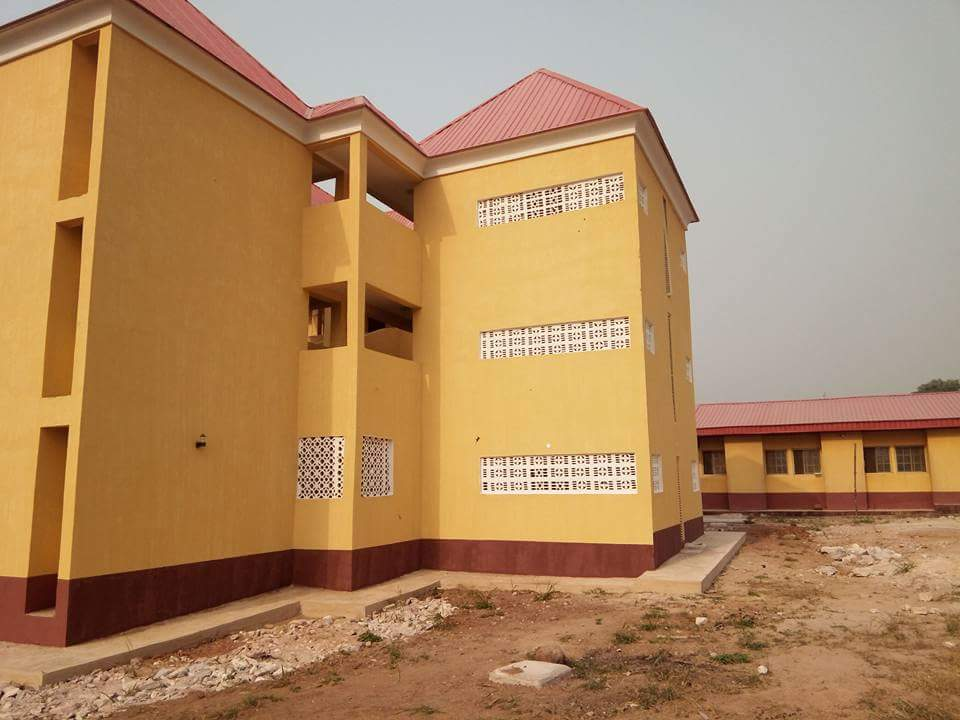
Other Associated Costs
Beyond basic tuition, Civil Engineering students face additional expenses:
Registration and Administrative Charges: Students pay various administrative fees including Student Union Government (SUG) dues and other statutory charges.
Laboratory and Practical Fees: Science students are required to pay Practical Fee of ₦2,950 for laboratory access and practical sessions. Civil Engineering students typically fall under this category.
Accommodation: Accommodation fee for all categories of students per session for a full bed space is ₦30,000 and for a half bed space is ₦15,000. More recent information indicates accommodation fees of ₦40,000 per session, compulsory for all first-year students.
Textbooks and Materials: Students need specialized Civil Engineering textbooks, drawing materials, calculators, and software access. Budget approximately ₦50,000-₦80,000 for books and materials per academic year.
Departmental Charges: Some departments levy additional fees for specialized equipment, field trips, or professional development activities.
How to Generate & Pay School Fees Invoice
Follow these steps to complete your fee payment:
- Portal Access: Visit the official ABSU portal at portal.abiastateuniversity.edu.ng
- Login: Use your admission credentials or student identification numbers
- Invoice Generation: Navigate to the fees section and generate your payment invoice
- Print Invoice: Download and print the invoice for your records
- Payment Processing: Use Remita, Interswitch, or other approved payment platforms
- Confirmation: Return to the portal to confirm payment status
Tips for Success:
- Complete payments during banking hours to avoid delays
- Keep multiple copies of payment receipts
- Screenshot successful payment confirmations
- Monitor your student portal regularly for updates
UTME and Direct Entry candidates follow similar procedures, though admission status must be confirmed before payment access becomes available.
Tips for Prospective Civil Engineering Students
Financial Planning: Start saving early for fees and associated costs. Consider the total cost including accommodation, feeding, transportation, and academic materials.
Fee Monitoring: Regular checks of the ABSU portal help track fee announcements, deadline changes, and payment confirmations.
Scholarship Opportunities: Research available scholarships, both from ABSU and external organizations. Many engineering-focused scholarships target Civil Engineering students specifically.
Indigene Benefits: If you qualify for indigene status, ensure proper documentation is submitted early to benefit from reduced fees.
Payment Strategy: Consider installment options if full payment presents challenges, but prioritize meeting all deadlines to avoid penalties.
Emergency Planning: Maintain emergency funds for unexpected costs like retake fees, additional materials, or accommodation changes.
FAQ Section
Do Civil Engineering students in ABSU pay higher fees than other engineering disciplines? Civil Engineering fees generally align with other engineering programs at ABSU. However, specialized laboratory requirements and practical components may result in slightly higher associated costs compared to theoretical disciplines.
Can students pay reduced fees if they register late or defer payment? ABSU typically imposes penalty fees for late payments rather than offering reductions. Students facing financial difficulties should contact the bursary department early to discuss payment arrangements rather than defaulting on deadlines.
Are fees refundable if admission is declined or withdrawn? Acceptance fees are generally non-refundable once paid. However, tuition fees may be partially refundable depending on timing and circumstances of withdrawal. Students should review official refund policies before making payments.
Where can students get receipts or confirmation if the portal is down? Contact the ABSU bursary department directly or visit the campus finance office for manual receipt generation. Keep bank payment confirmations as backup documentation during portal maintenance periods.
Are there separate lab or project fees specific to Civil Engineering? Yes, Civil Engineering students typically pay practical fees for laboratory access, field work, and project supervision. These fees support specialized equipment maintenance and technical staff salaries.
How do payment deadlines align with the academic calendar? Payment deadlines usually occur before semester commencement. Students should monitor the academic calendar closely and plan payments at least two weeks before registration periods begin.
ABSU Civil Engineering students should budget ₦232,000 to ₦383,500 for their first academic year, including acceptance, accreditation, development, and tuition fees. Additional costs for accommodation, books, and practical fees bring total expenses higher.
Key fee components include the ₦40,000 acceptance fee, ₦30,000 accreditation fee, ₦50,000 development fee, and tuition ranging from ₦112,000 to ₦243,500 depending on various factors. Indigenous students benefit from reduced rates with proper documentation.
Always confirm current amounts through ABSU’s official portal at portal.abiastateuniversity.edu.ng, as fees may change between academic sessions. Early financial planning and understanding payment procedures help ensure smooth registration and academic progress.
Bookmark this resource for ongoing reference, and remember that investing in your Civil Engineering education at ABSU opens doors to rewarding career opportunities in Nigeria’s growing construction and infrastructure sectors.