The pursuit of a Civil Engineering degree at Abia State University (ABSU) represents a significant step toward building a successful career in one of Nigeria’s most demanding and rewarding fields. This guide provides detailed information about the ABSU Civil Engineering Post-UTME application process, requirements, and strategies for securing admission into the 2025/2026 academic session.
Civil Engineering at ABSU offers students the opportunity to develop expertise in infrastructure development, construction management, and engineering design. With Nigeria’s growing infrastructure needs, graduates from this program find themselves well-positioned for careers in both public and private sectors. This article covers everything prospective students need to know about the admission process, from eligibility criteria to final enrollment procedures.
About ABSU & Civil Engineering Programme
Overview of Abia State University (ABSU)
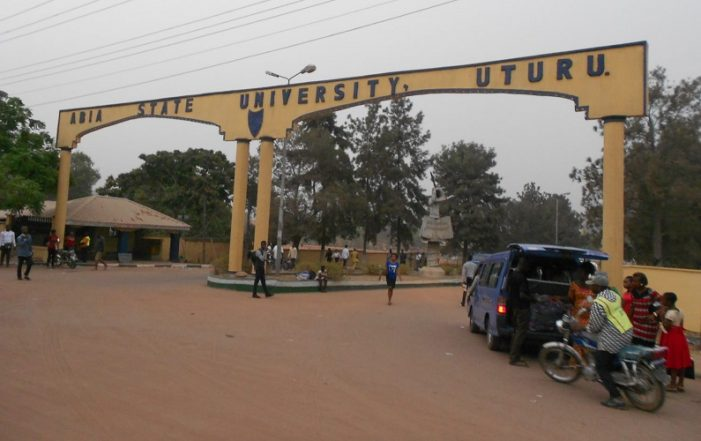
Abia State University, located in Uturu, stands as one of Nigeria’s respected state universities, established in 1981. The institution has built a reputation for academic excellence and practical training across multiple disciplines. The university operates multiple campuses and faculties, serving thousands of students annually.
The university’s commitment to quality education reflects in its modern facilities, experienced faculty, and strong industry partnerships. ABSU maintains accreditation from the National Universities Commission (NUC) and has consistently produced graduates who excel in their chosen careers.
Why Choose Civil Engineering at ABSU?
The Civil Engineering program at ABSU offers several advantages that make it an attractive choice for prospective students. The curriculum combines theoretical knowledge with hands-on practical experience, preparing students for real-world engineering challenges.
Faculty members bring extensive industry experience to the classroom, ensuring students receive current and relevant instruction. The program emphasizes problem-solving skills, critical thinking, and project management capabilities that employers highly value.
Laboratory facilities include modern equipment for materials testing, surveying, and structural analysis. Students gain access to computer labs equipped with industry-standard software for design and modeling work.
Duration, Accreditation, and Departmental Facilities
The Civil Engineering program spans five years for UTME candidates, leading to a Bachelor of Engineering (B.Eng) degree. Direct Entry candidates may complete the program in four years, depending on their prior qualifications and credit transfers.
The program maintains full accreditation from both NUC and the Council for the Regulation of Engineering in Nigeria (COREN). This accreditation ensures graduates meet professional standards and can pursue engineering licensure upon graduation.
Departmental facilities include specialized laboratories for concrete testing, soil mechanics, hydraulics, and structural analysis. The department also maintains a workshop for practical training and project development.
Eligibility: Who Can Apply for ABSU Post UTME?
UTME Candidates: JAMB Score Cut-off Requirements
ABSU requires UTME candidates to score a minimum of 140 in the Joint Admissions and Matriculation Board (JAMB) examination. However, competitive programs like Civil Engineering typically require higher scores for realistic admission chances.
For Civil Engineering specifically, candidates should target scores significantly above the minimum threshold. Competitive courses like Engineering require much higher scores than the basic cut-off, with successful candidates often scoring 200 or above.
Candidates must have participated in the current year’s UTME and received their results before applying for the Post-UTME screening. Late JAMB results may affect application deadlines and screening schedules.
Acceptable Choice Options: First or Second Choice ABSU
ABSU accepts both first and second-choice candidates for its Post-UTME screening, though first-choice candidates receive priority consideration during the admission process. Second-choice candidates must demonstrate exceptional performance in both JAMB and Post-UTME examinations to secure admission.
Candidates who initially chose other institutions can request a change of institution through the JAMB portal, subject to specific deadlines and requirements. This process must be completed before applying for ABSU’s Post-UTME screening.
Direct Entry Candidates: Criteria and Process
Direct Entry candidates include holders of relevant diplomas, A-level certificates, or first degrees seeking admission into advanced levels of the Civil Engineering program. These candidates must possess qualifications in science and mathematics-related fields.
Acceptable qualifications include Higher National Diploma (HND) in Civil Engineering or related fields, Advanced Level passes in relevant subjects, or bachelor’s degrees in engineering or science disciplines. The university evaluates each application individually to determine appropriate entry level and credit transfers.
Admission Requirements
JAMB UTME Subject Combination for Civil Engineering
Civil Engineering candidates must register for specific JAMB subjects to meet admission requirements. The mandatory subjects include Use of English (compulsory for all courses), Mathematics, Physics, and Chemistry.
This subject combination reflects the mathematical and scientific foundation necessary for engineering studies. Candidates who registered for different subject combinations cannot gain admission to Civil Engineering, regardless of their JAMB scores.
Strong performance in Mathematics and Physics particularly influences admission decisions, as these subjects form the core of engineering coursework. Chemistry knowledge becomes important for materials science and environmental engineering components of the curriculum.
O Level Requirements: Five Credit Passes
Candidates must obtain five credit passes in relevant O-level subjects, including Mathematics and English Language. The university accepts results from WAEC, NECO, NABTEB, and GCE examinations.
Additional required subjects for Civil Engineering include Physics, Chemistry, and one other science or mathematics-related subject. The fifth credit can come from subjects like Further Mathematics, Technical Drawing, or other approved science subjects.
The university accepts results from up to two separate sittings, provided all five credits are obtained within this limit. Candidates awaiting results from recent examinations may apply conditionally, but must provide complete results before final admission confirmation.
Cut-off Mark for Civil Engineering: Competitive Chances
While the general ABSU cut-off stands at 140, Civil Engineering candidates should target much higher scores for realistic admission prospects. Successful candidates typically score 250 or above in JAMB examinations.
The competitive nature of engineering programs means that meeting minimum requirements does not guarantee admission. Post-UTME performance, O-level grades, and overall application strength all influence final admission decisions.
Previous admission statistics show that Civil Engineering admits students with combined JAMB and Post-UTME scores well above average. Candidates should prepare thoroughly for both components of the admission process.
Direct Entry Requirements
Direct Entry candidates must possess relevant qualifications at appropriate grade levels. HND holders need Upper Credit or Distinction grades in Civil Engineering or closely related fields.
A-level candidates require passes in Mathematics, Physics, and Chemistry at grades A-C. Additional science subjects strengthen applications, though they are not always mandatory.
Degree holders from recognized institutions may gain advanced standing, potentially reducing program duration. The university evaluates transcripts and determines appropriate credit transfers during the admission process.
ABSU Civil Engineering Post UTME: Latest Updates
Form Release Date for 2025/2026 Session
ABSU Post-UTME forms for the 2025/2026 academic session are now available, with registration ongoing through the university’s official portal. The application period typically runs from July through September, though specific dates may vary annually.
Prospective candidates should monitor the official ABSU website and portal for announcements regarding exact dates and deadlines. Early application often provides advantages in screening schedules and document processing.
Screening Fee and Payment Channels
The Post-UTME screening fee is ₦2,000 for all candidates, payable through designated banks and online platforms. Payment must be completed before form submission and cannot be refunded under any circumstances.
Accepted payment methods include bank deposits, online transfers, and debit card payments through the university portal. Candidates should retain payment receipts as proof of transaction completion.
Multiple payment channels ensure accessibility for candidates across different locations. However, technical issues occasionally occur, so early payment reduces risks of last-minute complications.
Closing Date and Important Deadlines
Application deadlines typically fall in late September or early October, though the university may extend dates based on circumstances. Screening exercises usually commence shortly after application closure.
Candidates should complete applications well before deadlines to avoid technical difficulties or incomplete submissions. Late applications are not accepted under any circumstances, regardless of reasons for delay.
Document upload and verification processes may take time, particularly during peak application periods. Early submission allows adequate time for addressing any technical or documentation issues.
How to Apply: Step-by-Step Guide
Step 1: Log in to ABSU Portal
Begin the application process by visiting the official ABSU admission portal at portal.abiastateuniversity.edu.ng. Create an account using valid email address and phone number, as these will be used for all future communications.
The portal requires accurate personal information matching JAMB registration details. Any discrepancies between JAMB and ABSU portal information may result in application rejection or screening disqualification.
Complete the profile section thoroughly, ensuring all required fields are filled accurately. Upload a recent passport photograph meeting specified requirements for size, background, and quality.
Step 2: Pay Screening Fee
After account creation and profile completion, proceed to payment section to settle the ₦2,000 screening fee. The portal accepts various payment methods, including bank transfers and card payments.
Generate a payment invoice from the portal and complete payment through your preferred method. Bank deposit options include major Nigerian banks with ABSU accounts for this purpose.
Online payment processing may take several minutes, so avoid multiple payment attempts that could result in duplicate charges. Payment confirmation appears on the portal once processing completes successfully.
Step 3: Upload Required Documents
Document upload requires clear, readable copies of all required certificates and results. Accepted formats include PDF and JPEG files within specified size limits.
Required documents include JAMB result printout, O-level certificates, Direct Entry qualifications (where applicable), and birth certificate or age declaration. All documents must match information provided in JAMB registration.
Ensure uploaded documents are legible and complete, as unclear or incomplete uploads may result in application rejection. The portal allows document replacement before final submission if corrections are needed.
Step 4: Await Screening Schedule and Notification
After successful application submission, candidates receive screening schedules and instructions via registered email and SMS. This communication includes examination date, time, venue, and required materials.
Screening schedules typically become available 1-2 weeks before examination dates. Candidates unable to attend scheduled sessions may request rescheduling, subject to availability and university policies.
Monitor email and phone regularly for updates and additional instructions. Failure to receive communications may indicate registration issues requiring immediate attention from the admissions office.

Screening Details & Scoring
Format of the Post-UTME Screening
ABSU Post-UTME screening typically follows a computer-based test (CBT) format, though specific arrangements may vary by year or circumstances. The examination covers subjects relevant to the chosen course of study.
For Civil Engineering, expect questions from Mathematics, Physics, Chemistry, and English Language. The test emphasizes problem-solving skills, mathematical applications, and basic engineering concepts.
Question types include multiple choice, quantitative reasoning, and logical analysis. Time allocation typically provides adequate opportunity for well-prepared candidates to complete all sections thoroughly.
Final Cut-off from Screening Exam
The university determines final admission cut-offs based on combined JAMB and Post-UTME scores, along with available spaces in each program. Civil Engineering cut-offs tend to be among the highest due to program competitiveness.
Scoring combines JAMB results (typically weighted at 60%) with Post-UTME performance (40%), though exact weightings may vary. Strong performance in both components provides the best admission prospects.
Merit list publication follows screening completion, typically within 2-4 weeks. Candidates can check results through the same portal used for application submission.
Post Screening: Admission Process
Checking Post-UTME Results and Admission Status
Results become available through the ABSU portal using the same login credentials created during application. The system displays both screening scores and admission status simultaneously.
Regular portal checking is advisable, as results may be released in batches rather than all at once. Email notifications supplement portal updates, though candidates should not rely solely on email communications.
Successful candidates receive provisional admission letters downloadable from the portal. These letters contain specific instructions for accepting admission and completing enrollment processes.
Accepting Provisional Admission: Fees and Clearance
Admission acceptance requires prompt response within specified deadlines, typically 2-4 weeks after offer publication. Delayed acceptance may result in offer withdrawal and space allocation to other candidates.
Acceptance involves fee payment for registration, development levy, and other mandatory charges. Payment schedules and amounts are clearly specified in admission letters and university guidelines.
Document verification and clearance processes must be completed before full admission confirmation. This includes presentation of original certificates and completion of medical examinations where required.
Registration, Course Allocation, and Hostel Placement
New student registration involves course selection, academic advisor assignment, and timetable collection. Civil Engineering students follow prescribed course sequences with limited elective options in early years.
Hostel accommodation requests should be submitted early, as spaces are limited and allocated on first-come, first-served basis. Alternative accommodation options exist in nearby private hostels and apartments.
Academic orientation programs introduce new students to university policies, procedures, and expectations. Attendance at these programs is typically mandatory for all new students.
Checklist & Tips for Applicants
Pre-Application Readiness Checklist
Before beginning the application process, ensure you have obtained the required JAMB score and necessary O-level credits. Verify that your JAMB subject combination matches Civil Engineering requirements.
Prepare digital copies of all required documents in appropriate formats and sizes. Test your internet connection and portal access to avoid technical difficulties during application submission.
Gather payment information and ensure adequate funds are available for screening fees and potential subsequent charges. Keep JAMB registration number and other reference numbers readily accessible.
Tips for Strong Post-UTME Performance
Preparation should focus on Mathematics, Physics, Chemistry, and English Language, with emphasis on problem-solving and application-based questions. Review JAMB syllabus topics and practice with past questions where available.
Time management during the examination is crucial, so practice working within time constraints. Allocate time proportionally across all sections rather than spending excessive time on individual questions.
Stay updated on current educational and engineering topics that might appear in general knowledge sections. Basic understanding of engineering principles and applications can provide advantages in subject-specific questions.
Common Mistakes to Avoid
Avoid providing inconsistent information between JAMB registration and ABSU portal applications. Double-check all entries for accuracy before final submission.
Do not wait until application deadlines to begin the process, as technical issues or documentation problems may require additional time to resolve. Submit applications with adequate time remaining before closure.
Ensure payment confirmation before proceeding with other application steps. Incomplete payments may invalidate applications regardless of other requirements being met.
FAQs Section
Can Direct Entry Candidates Defer UTME Requirements?
Direct Entry candidates cannot completely bypass UTME requirements but may gain admission through alternative pathways. The university evaluates DE applications based on prior qualifications and may offer advanced standing in the program.
DE candidates must still participate in Post-UTME screening and demonstrate competency in required subject areas. Some may need to complete bridging courses in mathematics or science if deficiencies exist in their backgrounds.
Does ABSU Accept Awaiting O-Level Results?
ABSU may accept candidates awaiting O-level results provisionally, provided they can demonstrate completion of examinations and expected result dates. Such candidates must provide complete results before final admission confirmation.
Provisional acceptance depends on strong JAMB and Post-UTME performance, as well as evidence of examination completion. Failure to provide required results within specified timeframes results in admission cancellation.
Is Photographic Upload Required for ABSU Screening?
Yes, all candidates must upload recent passport photographs meeting specified requirements for background, size, and quality. Poor quality or inappropriate photographs may result in application rejection.
Photographs should be taken against plain backgrounds with clear facial visibility. File sizes must conform to portal specifications, typically between 10KB and 50KB in JPEG format.
How Long is the Civil Engineering Program at ABSU?
The Civil Engineering program requires five years for UTME entrants, leading to a Bachelor of Engineering degree. Direct Entry candidates may complete the program in four years, depending on their prior qualifications and credit transfers.
Program duration includes practical training components, industrial attachments, and final year project requirements. Part-time or distance learning options are not currently available for engineering programs.
What Happens if JAMB and ABSU Portal Results Mismatch?
Information discrepancies between JAMB and ABSU records typically result in application rejection or screening disqualification. Candidates must ensure all portal entries match exactly with JAMB registration details.
Resolution requires contacting both JAMB and ABSU admissions offices to correct discrepancies before screening dates. Documentation supporting correct information may be required from candidates.
How to Request Change of Institution to ABSU?
Institution changes must be processed through the JAMB portal before ABSU Post-UTME application deadlines. This process involves fee payment and submission of change requests through official JAMB channels.
Approved changes allow candidates to apply for ABSU screening as second-choice candidates. Success rates for such candidates may be lower than first-choice applicants, requiring exceptional performance.
Are Two Sittings Accepted for O-Level Requirements?
ABSU accepts O-level results from up to two separate sittings, provided all five credit requirements are met within this limit. Results from more than two sittings are not acceptable for admission purposes.
Candidates should clearly indicate which results from each sitting contribute to their five credit requirements. All credited results must be obtained within acceptable timeframes as defined by university policies.