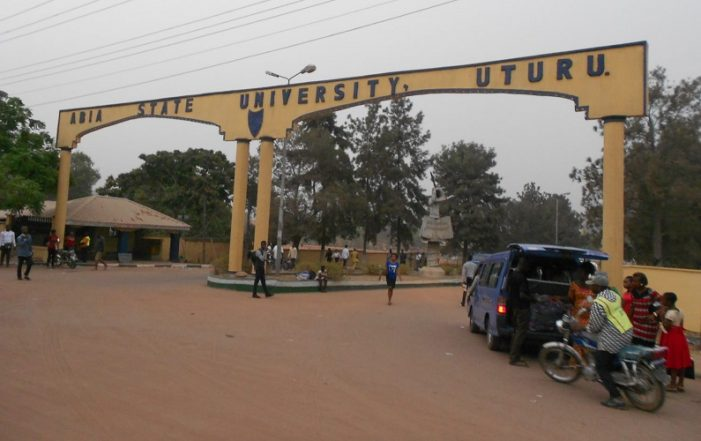
Welcome to Structotag’s definitive guide on securing admission into Abia State University’s Civil Engineering program. Whether you’re a secondary school graduate planning your next academic step or a professional seeking to advance your engineering career, this article provides all the essential information you need to successfully gain admission.
The journey to becoming a civil engineer at ABSU requires careful preparation across multiple areas: achieving the right O’Level subject combinations, meeting JAMB UTME score requirements, understanding cut-off marks, and successfully completing the screening process. This guide walks you through each requirement systematically, ensuring you have a clear roadmap to success.
Our goal is to equip both aspiring engineers and those supporting them with accurate, up-to-date information that simplifies the admission process. From understanding prerequisite subjects to preparing the necessary documentation, we’ll cover every aspect that influences your admission prospects at one of Nigeria’s respected engineering institutions.
About Abia State University (ABSU) Civil Engineering
Abia State University’s Civil Engineering program stands as one of the institution’s flagship courses, offering students a solid foundation in structural design, construction management, environmental engineering, and infrastructure development. The department operates under full accreditation from the National Universities Commission (NUC), ensuring that graduates meet international academic standards and professional requirements.
The program spans five years, structured to provide both theoretical knowledge and practical experience. Students progress through foundational courses in mathematics, physics, and engineering sciences during their first two years, before advancing to specialized areas including structural analysis, geotechnical engineering, water resources management, and construction technology.
The curriculum incorporates modern engineering software training, laboratory experiences, and industrial attachments that prepare graduates for immediate contribution to Nigeria’s infrastructure development needs. The program maintains strong industry partnerships, providing students with internship opportunities and exposure to real-world engineering challenges.
Faculty members bring diverse expertise from academia and industry, offering students mentorship from professionals who understand both theoretical principles and practical applications. The department’s research focus areas include sustainable construction materials, urban planning, and environmental impact assessment, reflecting current global engineering priorities.
O’Level Requirements (SSCE/NECO/WAEC)
The foundation of ABSU Civil Engineering admission begins with your O’Level qualifications. Five credit passes form the minimum requirement, but the specific subjects you choose significantly impact your eligibility and competitiveness.
Core Subject Requirements: Your five credit passes must include English Language and Mathematics as non-negotiable requirements. These subjects demonstrate your communication skills and mathematical foundation essential for engineering studies. Additionally, you need Physics and Chemistry, which provide the scientific principles underlying engineering applications.
The fifth credit can come from any other science subject, including Further Mathematics, Biology, Technical Drawing, Geography, or Agricultural Science. However, Further Mathematics and Technical Drawing often strengthen your application profile, as they directly relate to engineering problem-solving approaches.
Sitting Limitations: ABSU accepts results from not more than two sittings. This means you can combine results from two different WAEC, NECO, or NABTEB examinations to meet the five-credit requirement. However, the core subjects (English, Mathematics, Physics, Chemistry) should ideally come from a single sitting to demonstrate consistent academic performance.
Age Considerations: Candidates must be at least 16 years old by October 31 of the admission year. This requirement ensures students have the maturity necessary for university-level engineering education and professional development.
O’Level Requirements Summary Table
| Requirement | Details |
|---|---|
| Minimum Credits | Five (5) credit passes |
| Core Subjects | English Language, Mathematics, Physics, Chemistry |
| Fifth Subject | Any other science subject |
| Maximum Sittings | Two (2) sittings allowed |
| Age Requirement | Minimum 16 years by October 31 |
JAMB UTME Requirements
Minimum Cut Off Mark
ABSU’s general cut-off mark stands at 180 for most courses, but Civil Engineering demands significantly higher performance. Successful candidates typically score at least 215 in their UTME examinations, with the most competitive applicants achieving scores above 250.
This higher threshold reflects the program’s popularity and the university’s commitment to admitting students with strong academic foundations. The cut-off mark may vary slightly based on the number of applicants, their score distribution, and the department’s admission capacity for each academic session.
State of origin and catchment area considerations can influence individual cut-off requirements. Abia State indigenes may benefit from slightly lower thresholds, while candidates from educationally disadvantaged states might receive special consideration under federal character provisions.
4.2 UTME Subject Combination
Your JAMB subject selection must align perfectly with engineering requirements. The mandatory combination includes:
English Language (compulsory for all courses) plus:
- Physics – Fundamental for understanding mechanics, thermodynamics, and materials science
- Chemistry – Essential for materials engineering and environmental applications
- Mathematics – Core to all engineering calculations and design processes
This subject combination cannot be substituted or modified. Candidates who registered for different subject combinations must re-register for UTME with the correct subjects before applying to ABSU Civil Engineering.
Some candidates attempt to substitute Mathematics with Further Mathematics, but this is not acceptable. Mathematics remains the required subject, though Further Mathematics experience from O’Level can be advantageous during coursework.
Post UTME / Online Screening
ABSU’s screening process has evolved significantly in recent years. The university previously conducted physical Post-UTME examinations but transitioned to online screening systems for the 2024/2025 academic session, eliminating physical aptitude tests while maintaining rigorous selection standards.
Current Screening Format: The online screening relies primarily on UTME scores and O’Level results rather than additional written examinations. This system streamlines the process while ensuring merit-based selection. The university evaluates candidates using a composite score that weighs UTME performance, O’Level grades, and other relevant qualifications.
Application Process: Screening forms typically cost around ₦2,000 and can be purchased through the official ABSU portal or designated banks. The registration process requires creating an online profile, uploading required documents, and completing payment verification.
Portal Registration Steps:
- Visit the official ABSU admission portal
- Create a new applicant account with valid email and phone number
- Complete the online application form with accurate personal and academic information
- Upload all required documents in specified formats
- Make payment through approved channels
- Print application acknowledgment slip for reference
Document Upload Requirements: The portal requires high-quality scans of your JAMB result slip, O’Level certificates, passport photographs, and any additional credentials. Documents must meet specific size and format requirements to ensure successful submission.
Direct Entry (For A Level, ND/HND Applicants)
Direct Entry admission provides an alternative pathway for candidates with advanced qualifications, potentially allowing entry into the second year of the program. However, applicants must still meet basic O’Level requirements alongside their higher qualifications.
A’Level Requirements: Candidates with A’Level qualifications need minimum two passes in relevant subjects, preferably Mathematics, Physics, and Chemistry. The passes should be at grade C or better to demonstrate adequate preparation for university-level engineering studies.
Cambridge A’Level, GCE A’Level, and equivalent international qualifications are acceptable, provided they align with Nigerian educational standards. Candidates should verify their certificates through appropriate recognition bodies before application.
National Diploma (ND) and Higher National Diploma (HND) Requirements: Holders of ND or HND in engineering or related science fields can apply for Direct Entry admission. The qualification must be at Upper Credit level or Merit grade from institutions accredited by the National Board for Technical Education (NBTE).
Relevant fields include Civil Engineering Technology, Building Technology, Surveying and Geo-informatics, Environmental Engineering, and related disciplines. Business or purely theoretical programs typically don’t qualify for engineering Direct Entry admission.
Additional Considerations: Direct Entry candidates often enter the second year but may need to complete some first-year courses depending on their background preparation. The university evaluates each application individually to determine appropriate entry level and any prerequisite courses needed.
Some candidates may receive conditional admission requiring completion of bridging courses in mathematics or sciences before full program integration. This ensures all students have equivalent foundational knowledge regardless of their entry pathway.
Age & Additional Requirements
Age Specifications: The minimum age requirement of 16 years by October 31 applies to all admission categories. This standard ensures students possess the intellectual and emotional maturity necessary for engineering education demands. There is no official maximum age limit, allowing mature students to pursue engineering careers at various life stages.
Medical Fitness: All admitted students must demonstrate medical fitness through approved health examinations. This requirement protects both individual students and the university community while ensuring students can participate fully in laboratory work, field trips, and practical training components.
Documentation Standards: Clear, authentic documentation forms the backbone of successful applications. All certificates, transcripts, and identification documents must be original or properly certified copies. Any discrepancies or questionable documents can result in application rejection or admission cancellation.
Character References: While not always explicitly required, character references from secondary school principals, employers, or community leaders can strengthen applications, particularly for mature students or those with gaps in their educational history.
Supporting Documents Checklist
Proper documentation preparation prevents application delays and ensures smooth processing. Organize these documents before beginning your online application:
Essential Academic Documents:
- O’Level result slips (WAEC, NECO, NABTEB) – original or certified copies
- JAMB result printout with clear candidate details and scores
- Post-UTME screening result (where applicable)
Direct Entry Specific Documents:
- A’Level certificates with individual subject grades
- ND/HND certificates and transcripts showing cumulative grade point
- Institution accreditation verification for foreign qualifications
Personal Documentation:
- Recent passport photographs (colored, professional quality)
- Birth certificate or age declaration for age verification
- State of origin certificate for indigeneship consideration
- Valid identification (National ID, Voter’s Card, International Passport)
Financial Documentation:
- Payment receipts for application fees and screening costs
- Bank statements demonstrating financial capacity for tuition (if required)
Digital Format Requirements: Scan all documents at high resolution (300 DPI minimum) in PDF or JPEG format. File sizes should remain within portal specifications, typically under 2MB per document. Ensure all text is clearly readable and images are properly oriented.
Tips to Increase Admission Chances
Academic Performance Optimization: Target UTME scores well above 215 to remain competitive. While 215 represents the minimum threshold, successful candidates often score 250 or higher. Consider retaking UTME if your current score falls below competitive levels, as higher scores significantly improve admission prospects.
Subject Combination Accuracy: Double-check your UTME subject combination matches engineering requirements exactly. Any deviation automatically disqualifies your application regardless of your overall score. If you registered for incorrect subjects, re-registration is mandatory before application.
Early Documentation Submission: Complete your online screening application early in the admission cycle. Early submission demonstrates seriousness while avoiding last-minute technical issues that could jeopardize your application. The system may experience heavy traffic near deadline dates.
Post-UTME Preparation: Even with online screening, prepare thoroughly by studying past questions and reviewing key concepts in Mathematics, Physics, and Chemistry. Strong preparation shows in your overall academic profile and interview performance if required.
Geographic Considerations: Consider how your state of origin impacts admission prospects. Abia State indigenes may receive preference, while catchment area benefits apply to specific neighboring states. Understanding these factors helps set realistic expectations and strategic planning.
Alternative Pathways: Explore related programs if Civil Engineering proves highly competitive. Environmental Engineering, Building Technology, or Surveying programs may offer easier entry with transfer possibilities after proving your academic capability.
Frequently Asked Questions (F.A.Q.)
Can you combine different O’Level examination sessions? Yes, ABSU accepts combinations from up to two different sittings. However, ensure all five required credits are clearly documented and meet the university’s standards. Core subjects from a single sitting often create stronger applications.
How long remains my UTME result valid? UTME results are valid for one admission cycle only. If you don’t gain admission in your examination year, you must retake UTME for subsequent applications. There are no provisions for using previous years’ UTME scores.
Is there an upper age limit for admission? ABSU does not specify a maximum age limit for undergraduate admission. Mature students can apply provided they meet all academic requirements and demonstrate readiness for intensive engineering studies.
What happens if I have more than two O’Level sittings? The university accepts only two sittings maximum. If you have results from multiple examinations, select your best two sittings that provide the required five credits. Additional sittings cannot be considered even if they contain better grades.
Can awaiting results candidates apply? Students awaiting O’Level results can apply conditionally, but admission confirmation depends on meeting all requirements once results are available. Submit applications with available documents and update them when new results are released.
Is change of course possible after first year? Course changes are possible but highly restricted and competitive. Students must demonstrate exceptional performance in their current program and meet all requirements for their desired course. Changes typically require departmental approval and may extend study duration.
Do I need computer literacy certificates? While not mandatory for admission, basic computer skills benefit engineering students significantly. The curriculum includes computer-aided design and engineering software training, making prior experience advantageous though not required.
How does federal character affect admission? Federal character provisions ensure geographic diversity in university admissions. Students from educationally less developed states may receive slight advantages, while those from over-represented areas face increased competition.
Securing admission into ABSU’s Civil Engineering program requires careful preparation across multiple areas: achieving strong O’Level results in required subjects, performing excellently in UTME examinations, and completing the screening process successfully. The key success factors include scoring well above the minimum cut-off mark of 215, ensuring perfect subject combination alignment, and submitting all documentation early and accurately.
Remember that admission competition increases annually as more students recognize engineering career opportunities. Starting your preparation early, seeking academic support where needed, and maintaining consistent performance across all requirements gives you the best chance of success.
Stay updated with official ABSU announcements through their verified portal and social media channels, as admission procedures and requirements can evolve between academic sessions. The university provides the most accurate and current information regarding deadlines, fees, and specific requirements.
For additional guidance on Post-UTME preparation, O’Level subject strategies, and engineering career insights, explore more resources at Structotag. Our team regularly updates content to help aspiring engineers navigate their academic journey successfully.
We encourage you to share your experiences, ask specific questions in the comments section, and connect with other aspiring engineers facing similar challenges. Together, we can build a community that supports academic excellence and professional success in engineering education.
Take Action Today:
- Verify your O’Level results meet all requirements
- Register for UTME with correct subject combination
- Begin preparation for competitive scores above 215
- Bookmark the official ABSU admission portal
- Join our community for ongoing support and updates
Your journey to becoming a professional civil engineer starts with these fundamental steps. Success comes to those who prepare thoroughly and act decisively on their academic goals.